The bottled water industry has experienced a significant boom over the past decade, with consumers increasingly prioritizing health and hydration. This surge in demand has led to a growing market for bottling equipment, particularly mineral water filling machines. Understanding the price dynamics of these machines is crucial for business owners, investors, and entrepreneurs looking to enter this lucrative sector. This article aims to provide a thorough analysis of the factors influencing the prices of mineral water filling machines, alongside actionable insights for making informed purchasing decisions.
Understanding Mineral Water Filling Machines
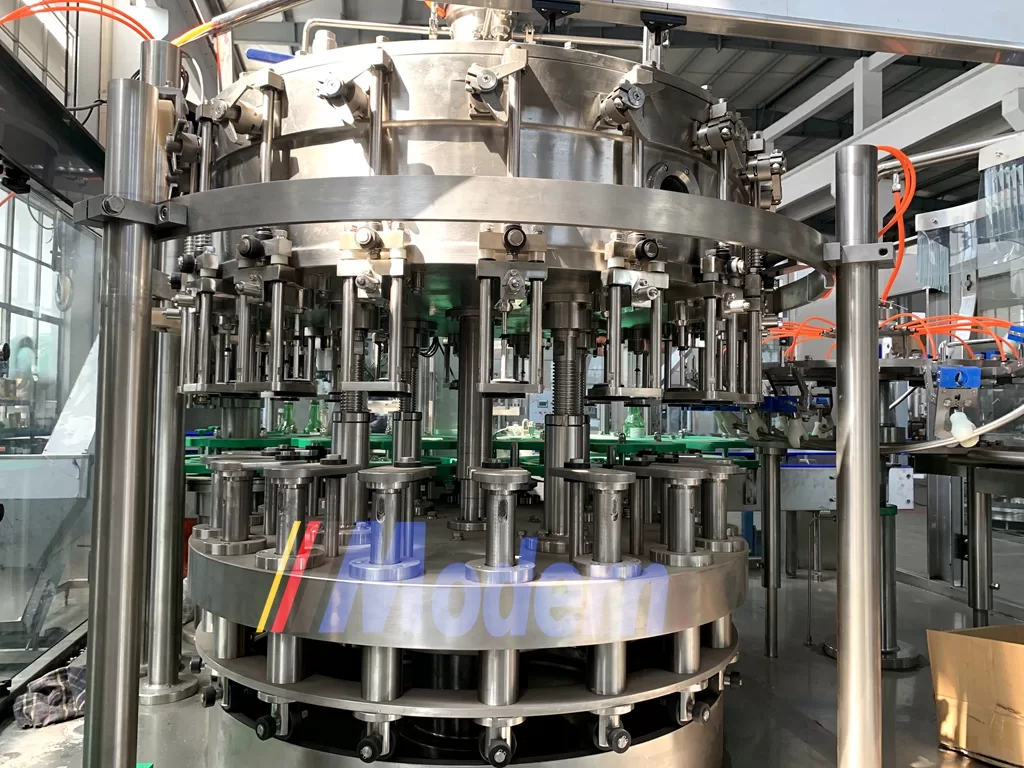
Before diving into the pricing aspects, it is essential to understand what mineral water filling machines are. These machines are designed specifically to fill bottles with mineral water efficiently and hygienically. The process typically involves three key steps: rinsing, filling, and capping. Each stage is crucial in ensuring product quality and extending shelf life. There are different types of filling machines, including semi-automatic and fully automatic systems, which can affect pricing.
Factors Influencing Mineral Water Filling Machine Prices
1. Type of Machine
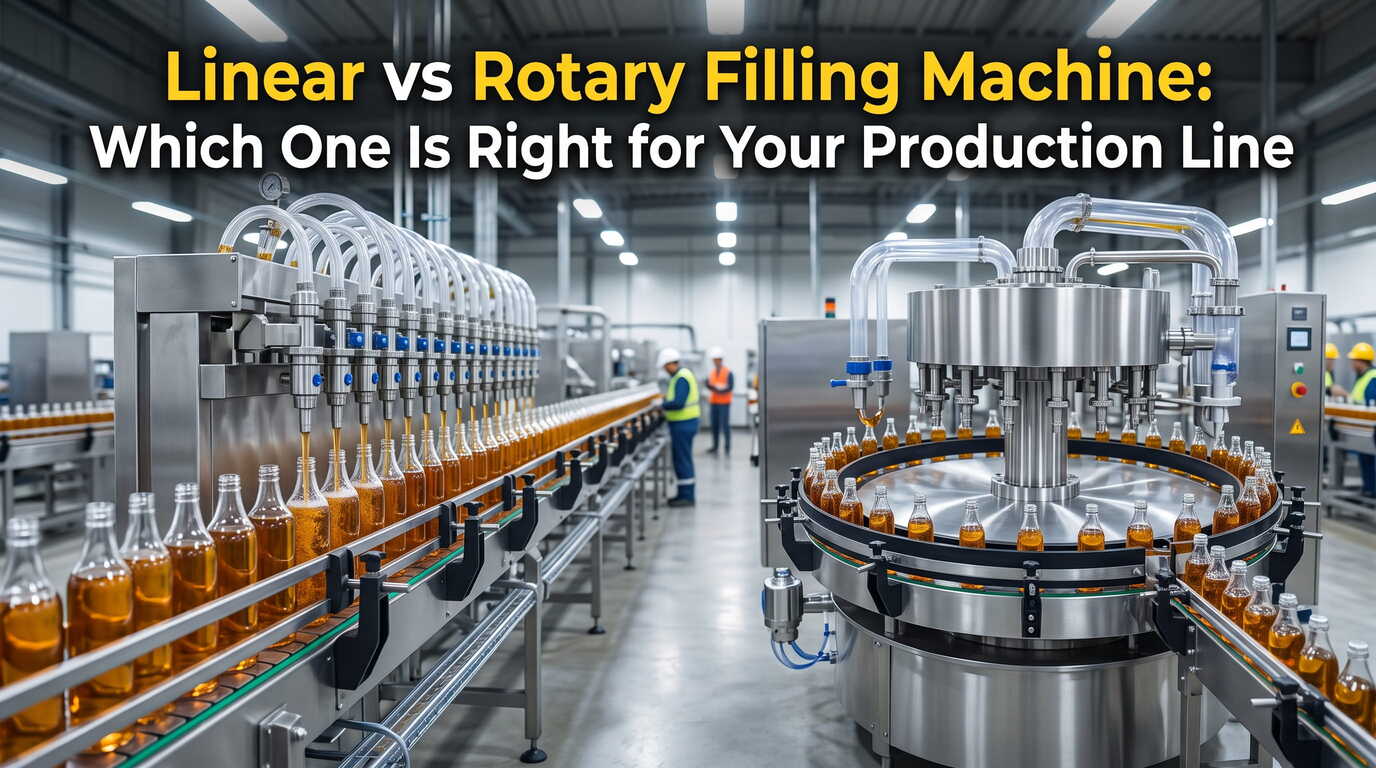
The type of filling machine significantly impacts its price. Manual or semi-automatic machines are generally less expensive, making them suitable for small-scale operations. In contrast, fully automatic machines, which offer higher efficiency and output, tend to be pricier. Businesses should evaluate their production capacity needs before deciding on the machine type.
2. Production Capacity
Production capacity refers to the number of bottles a machine can fill within a specific timeframe. Machines with higher capacities come with a steeper price tag, given their advanced technology and infrastructure. Small businesses with lower production demands may opt for machines that fill fewer bottles per hour, thus saving on initial costs.
3. Brand Reputation
The reputation of the manufacturer can also influence the pricing of mineral water filling machines. Well-established companies often command higher prices due to their reliable technology, robust customer support, and warranties. While it may be tempting to choose cheaper equipment from lesser-known brands, it is vital to consider the long-term implications of such a decision, including potential maintenance costs and reliability issues.
4. Technological Features
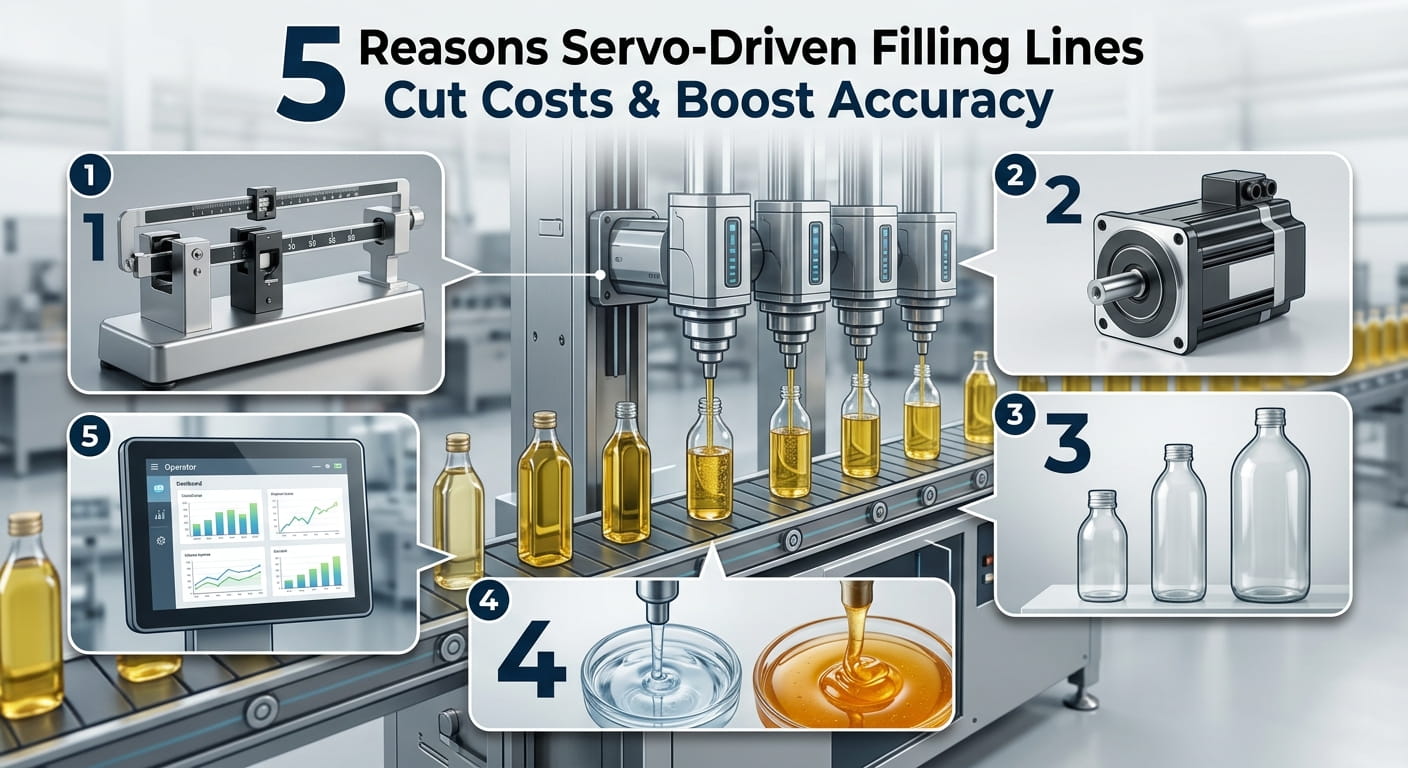
Modern mineral water filling machines come equipped with various technology features such as touchscreen controls, automatic bottle feeders, and self-cleaning systems. While these advanced features enhance operational efficiency, they can also increase the machine’s initial cost. Businesses need to assess whether the extra features align with their operational needs and budget.
5. Compliance with Industry Standards
Compliance with international quality and safety regulations is crucial in the beverage industry. Machines that meet stringent health and safety guidelines tend to be priced higher. Investing in compliant equipment is necessary to avoid costly fines and ensure product safety and quality.
6. Material Quality
The materials used in the construction of the filling machine can heavily influence the price. Stainless steel machinery is more expensive than plastic alternatives but tends to offer better durability and sanitation. Investing in high-quality materials can lead to lower maintenance and replacement costs over time.
Price Range for Mineral Water Filling Machines
The price of mineral water filling machines can vary widely based on the factors discussed above. On the lower end, semi-automatic machines can range from $5,000 to $20,000, making them accessible for small businesses or startups. Mid-range options, often semi-automatic with modest capacity, can fall between $20,000 and $50,000.
Fully automatic machines, which are capable of high-speed operations and larger production capacities, usually range from $50,000 to $150,000 or more. High-end machines, equipped with advanced technology for large bottling plants, can surpass $200,000. Thus, businesses must conduct a cost-benefit analysis to ascertain which machine aligns with their operational goals and financial capabilities.
Making Informed Purchasing Decisions
1. Assessing Production Needs
Before making a purchase, evaluate your expected production volume. This assessment will help identify the type and capacity of the filling machine required. Conduct a market analysis to project future growth and ensure your choice can accommodate increasing demands.
2. Budget Planning
Establish a budget that factors in not just the initial cost of the machine but also installation, maintenance, and operational costs. Finding a machine that offers the best value for money is crucial for long-term profitability. It may also be wise to seek financing options if the upfront cost is prohibitive.
3. Research and Comparison
Spend time researching various manufacturers and models. Compare product features, warranty terms, customer support availability, and maintenance requirements. Reading reviews and testimonials can provide insights into reliability and performance.
4. Obtain Multiple Quotes
Once you narrow down your options, obtain multiple quotes. This step allows you to compare prices and negotiate better terms. Keep in mind that the lowest price may not always equate to the best value; consider the total cost of ownership.
5. Consider After-Sales Service
After-sales support can significantly impact your operations. Ensure that the manufacturer provides sufficient training, installation assistance, and reliable customer service. A reputable company will offer support even after the sale has been finalized, which can save your business time and money in the long run.
Conclusion
The mineral water filling machine market presents numerous opportunities for prospective business owners. Understanding the various factors influencing machine prices enables informed decision-making, ensuring businesses invest wisely in equipment that aligns with their goals. By considering aspects such as the type of machine, production capacity, brand reputation, technological features, compliance standards, and material quality, entrepreneurs can find a fitting solution. Moreover, engaging in thorough research, obtaining multiple quotes, and assessing after-sales service can facilitate a successful purchasing process. Ultimately, investing in the right mineral water filling machine can pave the way for operational efficiency, product quality, and, most importantly, customer satisfaction.