
In the rapidly evolving world of beverage manufacturing, juice stands out as one of the most popular and profitable products. The juice filling production line, a vital component of the beverage industry, plays a significant role in ensuring efficiency and quality in the bottling process. This article will explore the critical components, technologies, benefits, challenges, and best practices in setting up and optimizing a juice filling production line.
Understanding Juice Filling Production Lines
A juice filling production line encompasses all the machinery and equipment needed to transform raw juice into a packaged product ready for distribution. The line typically includes several stages: extraction, filtration, pasteurization, filling, and packaging. An efficient juice filling production line not only enhances productivity but also maintains the quality and safety of the juice.
Components of a Juice Filling Production Line
The juice filling production line consists of several essential components that work together to ensure smooth processing:
- Juice Extraction Systems: These machines extract juice from fruits or vegetables. They vary from hydraulic pressors to centrifugal extractors, depending on the desired juice type and processing speed.
- Filtration Systems: After extraction, juice often contains pulp and particulates. Filtration systems, such as sieve filters or micro-filters, are crucial for achieving clarity and improving the sensory qualities of the juice.
- Pasteurizers: To ensure food safety and extend shelf life, juice must be pasteurized. The most common method is high-temperature short time (HTST) pasteurization, which rapidly heats the juice to destroy harmful microorganisms.
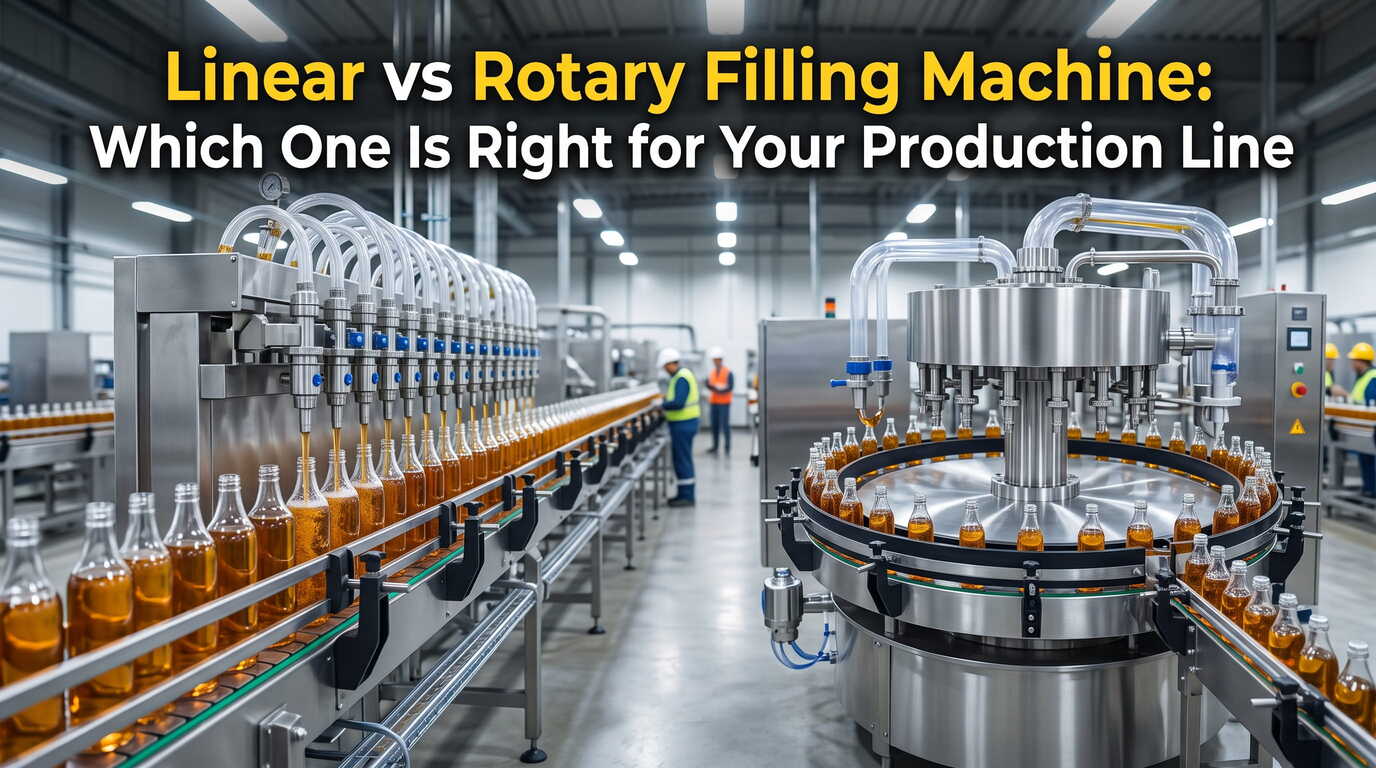
- Filling Machines: These machines are designed for precision and speed, filling bottles, cartons, or pouches with the processed juice. Technologies include gravity filling, pressure filling, or vacuum filling, and the choice depends on the type of packaging used.
- Packaging Machines: This component is responsible for wrapping and sealing the bottles or cartons to ensure freshness. Automated labeling and coding systems may also be integrated for efficiency and compliance with regulations.
The Advantages of an Efficient Juice Filling Production Line
Investing in a robust juice filling production line yields numerous benefits:
- Increased Production Efficiency: Automating various processes reduces the time and labor required for juice production, increasing the output rate significantly.
- Enhanced Quality Control: Advanced technologies enable real-time monitoring of various parameters, ensuring consistent product quality in terms of taste, texture, and safety.
- Cost Savings: By minimizing waste and improving efficiency, companies can significantly reduce operational costs over time.
- Flexibility: Modern juice filling lines can easily be adapted to handle different types of juice and packaging formats, allowing manufacturers to quickly respond to market demands.
Challenges in Juice Filling Production Lines
Despite the numerous advantages, establishing and running a juice filling production line comes with its own challenges:
- Initial Investments: Setting up a state-of-the-art juice filling production line can require significant capital, which may be a barrier for smaller companies.
- Operational Complexity: Integrating various pieces of machinery and ensuring they work seamlessly calls for skilled personnel and ongoing technical support.
- Regulatory Compliance: The beverage industry is subject to stringent health, safety, and environmental regulations that must be continuously monitored and adhered to.
Best Practices for Optimizing Juice Filling Production Lines
To maximize efficiency and ensure product quality, several best practices can be implemented:
1. Regular Maintenance and Upkeep
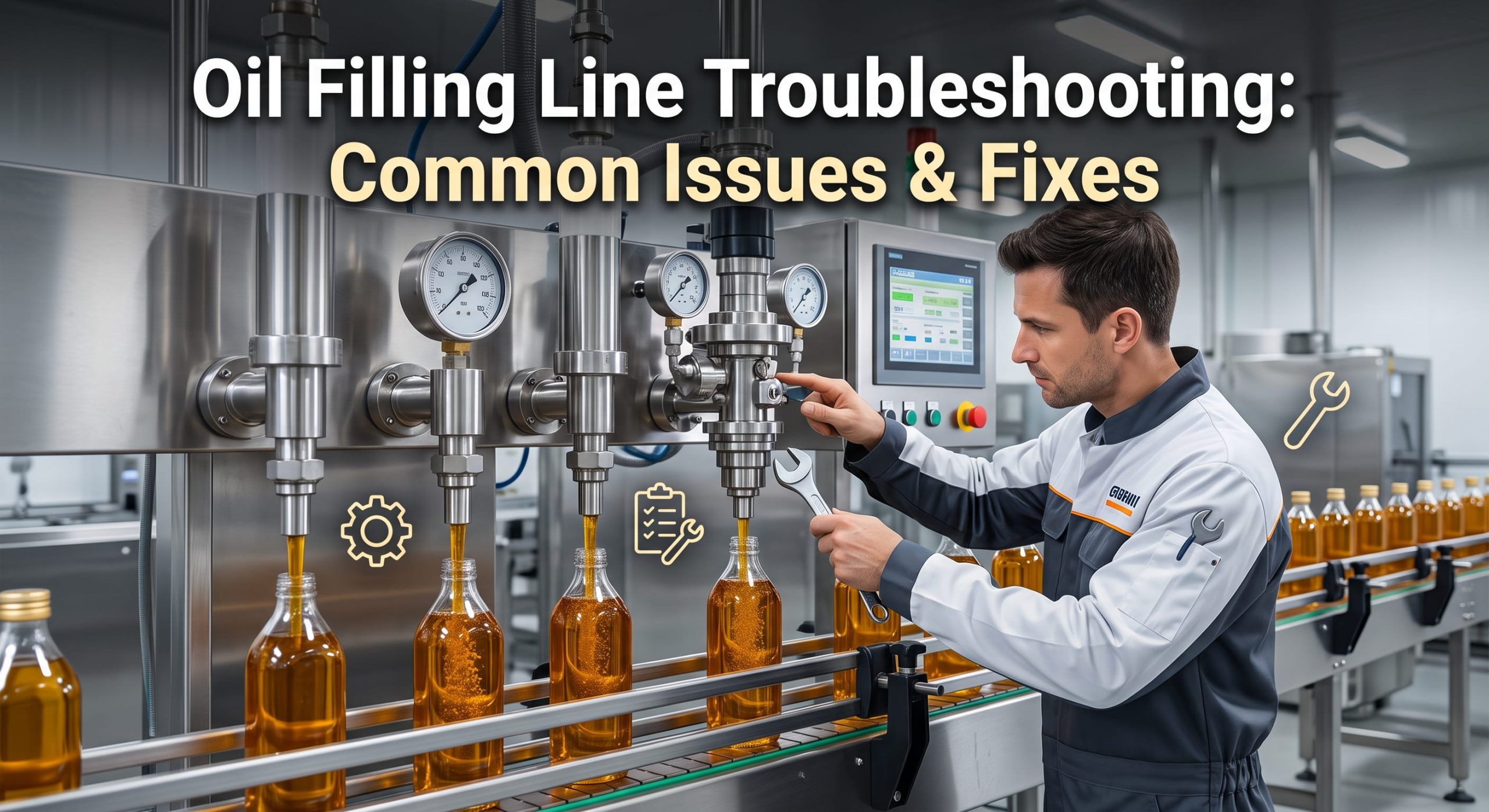
Consistent maintenance of machinery is essential for preventing breakdowns and prolonging the life of equipment. Establish a routine maintenance schedule and train personnel to identify and address potential issues before they disrupt production.
2. Invest in Technology
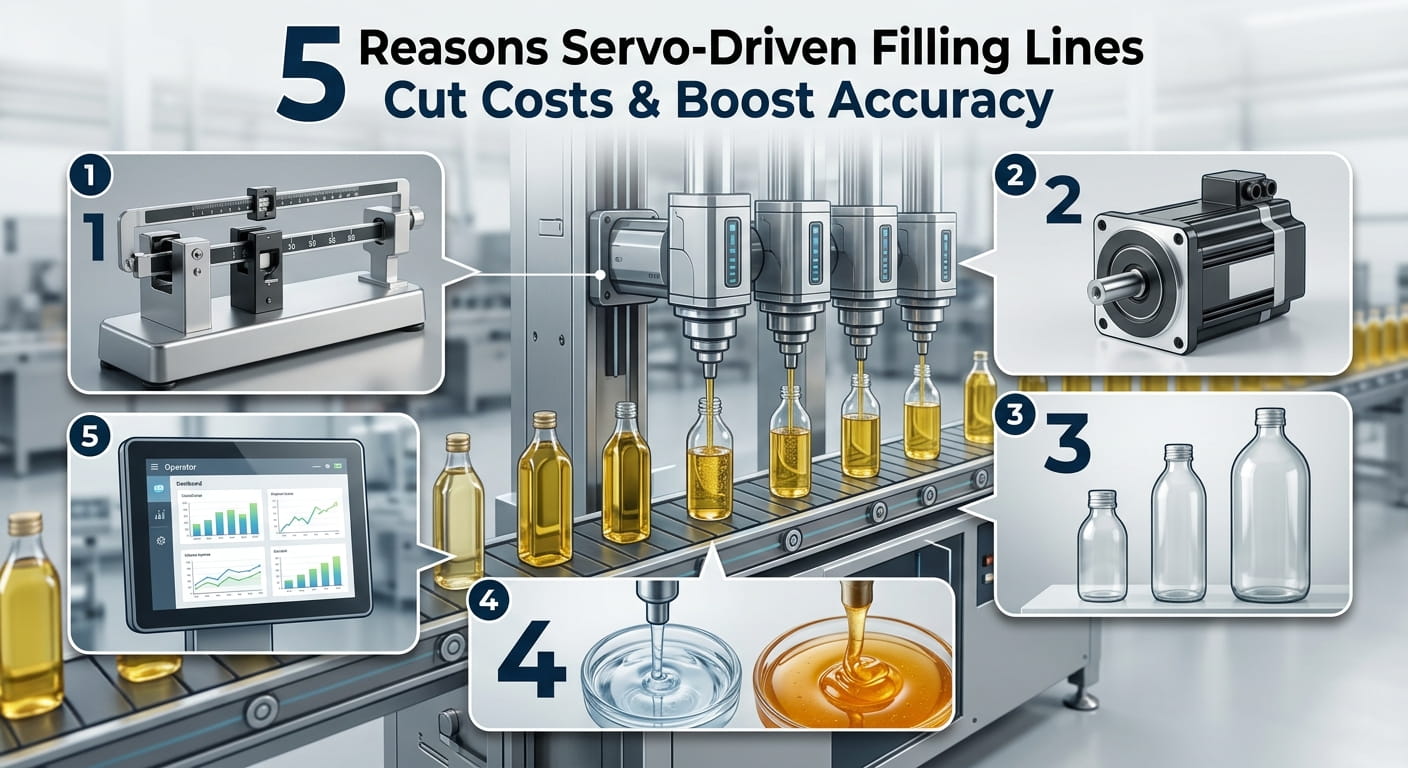
Incorporating advanced technologies such as automation, robotics, and data analytics can greatly improve productivity. For instance, automated filling systems can increase accuracy and speed, while data analytics can help identify bottlenecks and inefficiencies.
3. Employee Training
Well-trained staff are crucial to the success of any operation. Regular training sessions should be conducted to keep employees informed about the latest technologies, safety protocols, and operational best practices.
4. Quality Control Measures
Implement rigorous quality control measures throughout the production process. This includes testing raw materials, monitoring pasteurization temperatures, and conducting taste tests on finished products.
5. Adaptability
Market demands often change rapidly. Designing a production line that is flexible and can quickly adapt to new products or packaging types can provide a competitive edge.
The Future of Juice Filling Production Lines
The beverage industry is continuously evolving, and juice filling production lines will need to adapt to various trends. The demand for healthier options, organic products, and innovative flavors is on the rise. Therefore, juice manufacturers must remain vigilant and responsive to changing consumer preferences.
Moreover, sustainability is becoming a key consideration. Implementing eco-friendly practices, such as reducing plastic usage, enhancing energy efficiency, and utilizing renewable resources, can not only help the environment but also attract eco-conscious consumers.
Conclusion
A juice filling production line is a critical investment for any business entering the beverage market. Understanding its components, advantages, challenges, and best practices is essential for maximizing efficiency and product quality. By focusing on continuous improvement and embracing technological advancements, manufacturers can navigate the complexities of the juice industry successfully.
In conclusion, an efficient juice filling production line is not merely about filling and packaging; it’s about creating a streamlined process that upholds quality, enhances efficiency, and meets consumer demands. By taking proactive steps and remaining vigilant about industry trends, businesses can thrive in the competitive landscape of juice production.