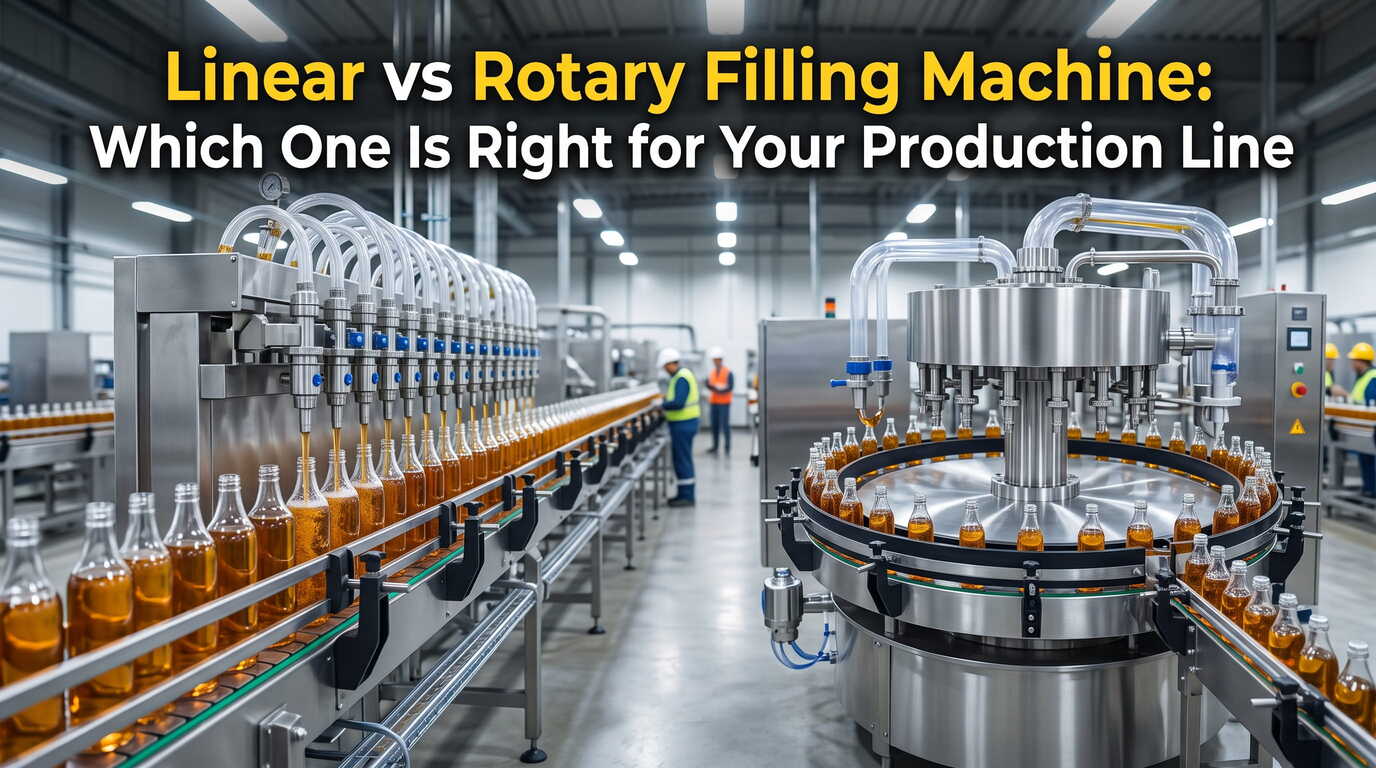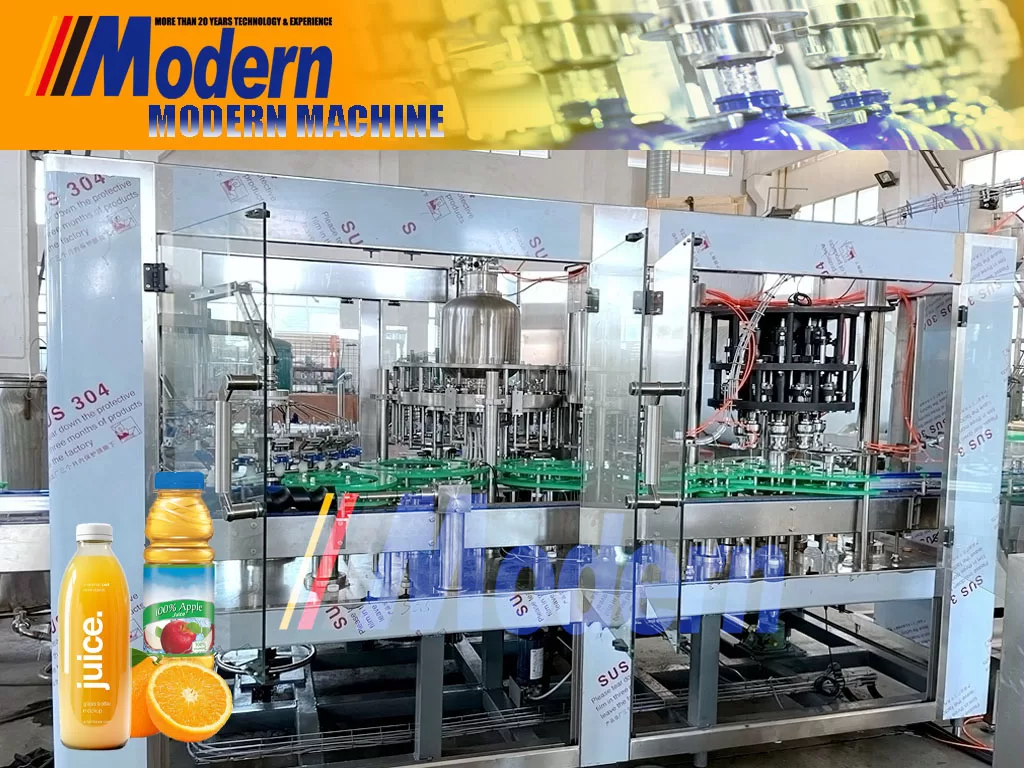
In the fast-paced world of beverage manufacturing, fruit juice filling machines have become indispensable. These machines are essential not only for ensuring the efficiency of production processes but also for maintaining the quality and safety standards required for consumer goods. This article provides an in-depth look at fruit juice filling machines, exploring their types, functionality, benefits, and the factors to consider when investing in one for your production line.
Understanding Fruit Juice Filling Machines
Fruit juice filling machines are specialized equipment designed to automate the process of filling containers with liquid fruit juices. These machines can vary in complexity, scalability, and functionality, ranging from simple manual systems to fully automated production lines. Understanding the different types and technologies involved can help manufacturers select a machine suited to their specific operational needs.
Types of Fruit Juice Filling Machines
There are several categories of fruit juice filling machines, typically classified based on their filling mechanisms. The main types include:
- Gravity Fillers: These machines operate on the principle of gravitational force, allowing liquid to flow into the container from a tank above. Gravity fillers are often used for thin liquids, making them ideal for fruit juices with low viscosity.
- Piston Fillers: Piston fillers utilize a cylinder and piston mechanism to dispense a precise volume of liquid into each container. This type is suitable for thicker juices or those with particulates, as it can handle varying viscosities effectively.
- Vacuum Fillers: In vacuum filling systems, a vacuum is created in the container, which facilitates the intake of juice. This method is efficient for maintaining quality and reducing oxidation during the filling process.
- Aseptic Fillers: Aseptic filling machines fill containers in a sterile environment, ensuring that the juice remains uncontaminated. This is vital for preserving the flavor, color, and nutritional content of the fruit juice.
The Functionality of Fruit Juice Filling Machines
The operation of fruit juice filling machines involves several integrated processes, ensuring a seamless and efficient filling line. The primary functions generally include:
1. Preparation and Dispensing
This stage includes preparing the juice for filling, which may involve mixing, blending, or pasteurization. Once ready, the juice is pumped into the filling system through various methods depending on the technology used.
2. Bottling and Capping
Most filling machines also incorporate mechanisms for placing caps on the bottles after filling. This integrated function helps streamline operations and minimizes the risk of contamination.
3. Labeling and Packaging
Some advanced filling machines come equipped with labeling and packaging stations, allowing for a complete production line in one system. Proper labeling is crucial for marketing and regulatory compliance.
Benefits of Using Fruit Juice Filling Machines
Implementing fruit juice filling machines in your production line comes with numerous advantages, which include:
1. Increased Efficiency
Automating the filling process significantly reduces the time required for production. High-speed fillers can handle hundreds or thousands of containers per hour, leading to increased output and reduced labor costs.
2. Consistency and Precision
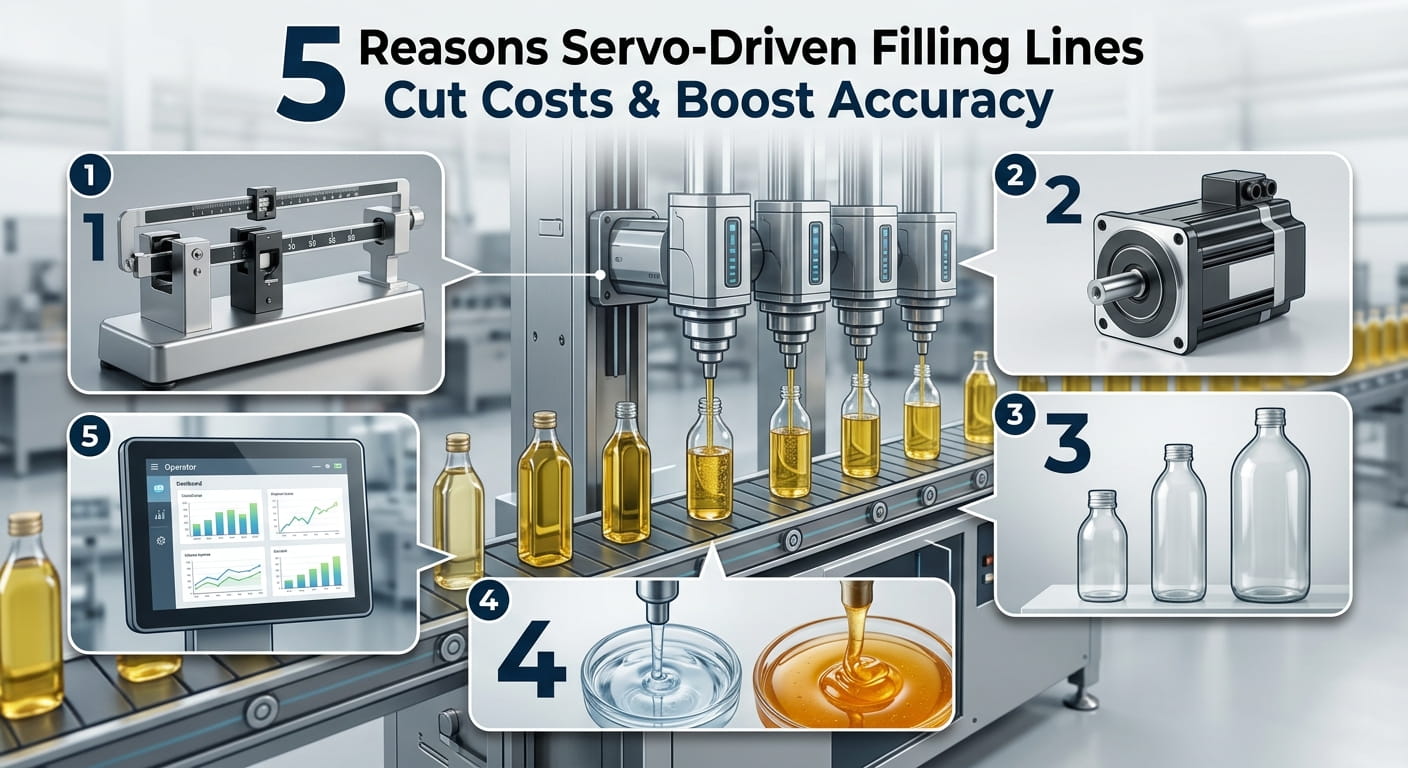
Modern filling machines are designed to ensure uniformity in the filling volume, minimizing waste caused by overfilling or underfilling. This consistency is essential for maintaining product quality and customer satisfaction.
3. Reduced Contamination
Advanced filling machines employ hygiene measures such as sterile filling environments, minimizing the risk of contamination. This is crucial for retaining the freshness and safety of fruit juices.
4. Versatility
Many fruit juice filling machines can fill a variety of containers—such as bottles, pouches, and cartons—making the equipment adaptable to various packaging needs and market demands.
5. Cost Savings
While the initial investment in filling machinery can be substantial, the long-term cost savings from reduced labor, increased efficiency, and decreased product waste make them a valuable investment.
Factors to Consider When Selecting a Fruit Juice Filling Machine
Choosing the right fruit juice filling machine is a critical decision that can significantly impact your production capacity and product quality. Here are essential factors to consider:
1. Type of Juice
The viscosity and particulate matter content of your juice will determine the most suitable filling technology. Thicker juices may require piston fillers or vacuum fillers, while thinner juices can be efficiently processed with gravity fillers.
2. Production Volume
Assess your production capacity needs. Choose a machine that can meet current and anticipated future demands without bottlenecks in the production line.
3. Container Type and Size
Different machines may specialize in various container types and sizes. Ensure that the filling machine you select is compatible with your packaging specifications.
4. Regulatory Compliance
Compliance with health and safety regulations is paramount for food and beverage production. Ensure that the filling machine adheres to relevant standards and certifications.
5. Budget Constraints
Evaluate the cost versus benefits of potential machines, considering both short-term investments and long-term operational costs. Choose a machine that offers high value and quality while fitting within your budget.
Practical Tips for Maintaining Fruit Juice Filling Machines
To ensure optimal performance and longevity of your filling machine, proper maintenance is essential. Here are some practical maintenance tips:
1. Regular Cleaning
Implement a rigorous cleaning schedule to prevent contamination and buildup of residues. Use appropriate cleaning agents and follow the manufacturer’s guidelines for cleaning procedures.
2. Routine Inspections
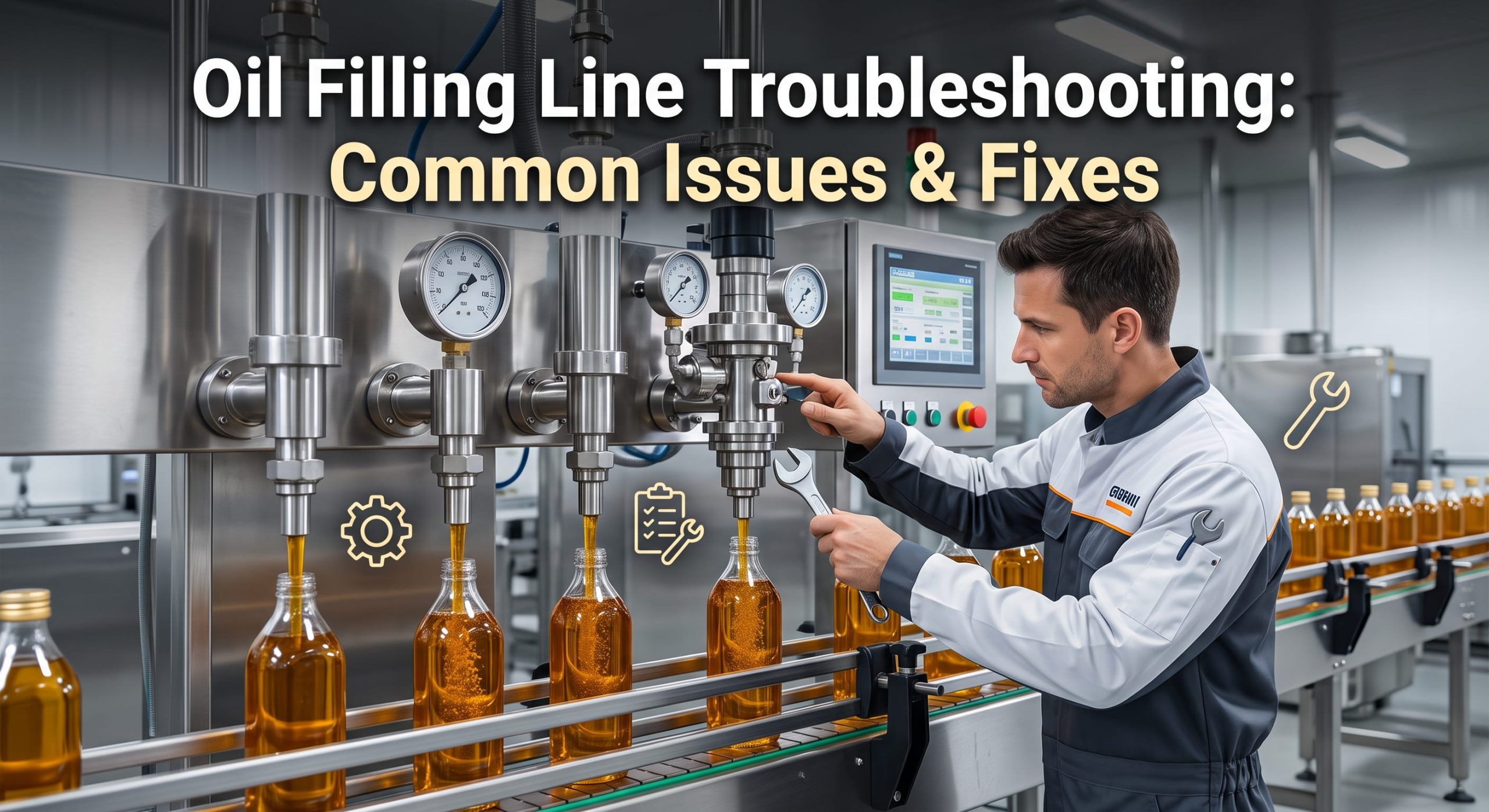
Conduct regular inspections to check for wear and tear, loose parts, or signs of malfunction. Early detection of issues can prevent costly downtimes.
3. Calibration
Regularly calibrate the filling machines to ensure accuracy in filling volumes. This step is essential for maintaining product consistency and adhering to regulatory requirements.
4. Operator Training
Invest in comprehensive training for personnel operating the filling machines. Well-trained operators are better equipped to manage the equipment efficiently and respond to issues swiftly.
Conclusion
Fruit juice filling machines are integral to the beverage production industry, offering efficiency, precision, and quality assurance. By understanding the various types, their functionalities, and the benefits they provide, manufacturers can make informed decisions that enhance their production capabilities. Proper selection, coupled with diligent maintenance, will ensure that these machines remain valuable assets in producing high-quality fruit juice products that meet market demands and consumer expectations. As the beverage industry continues to evolve, investing in the right filling technology will be pivotal for sustained success and competitiveness.