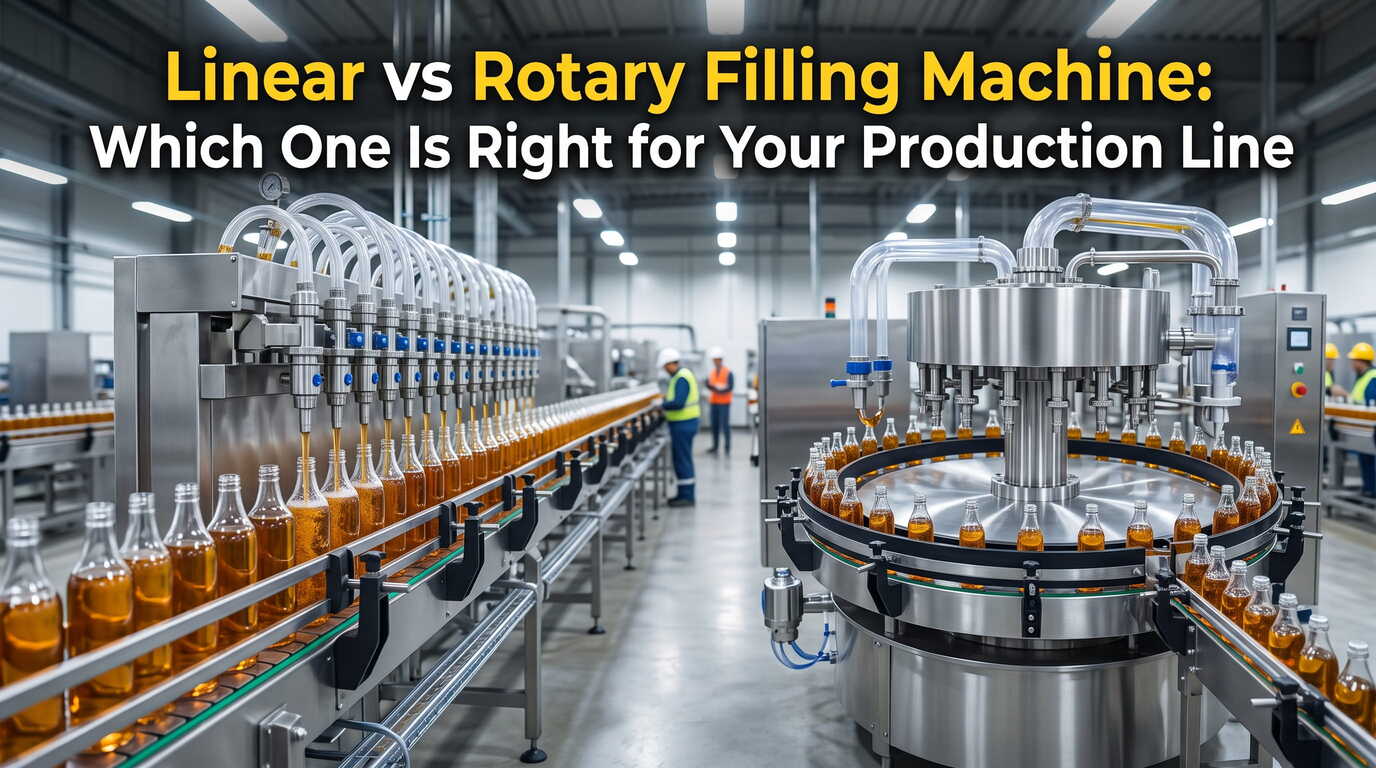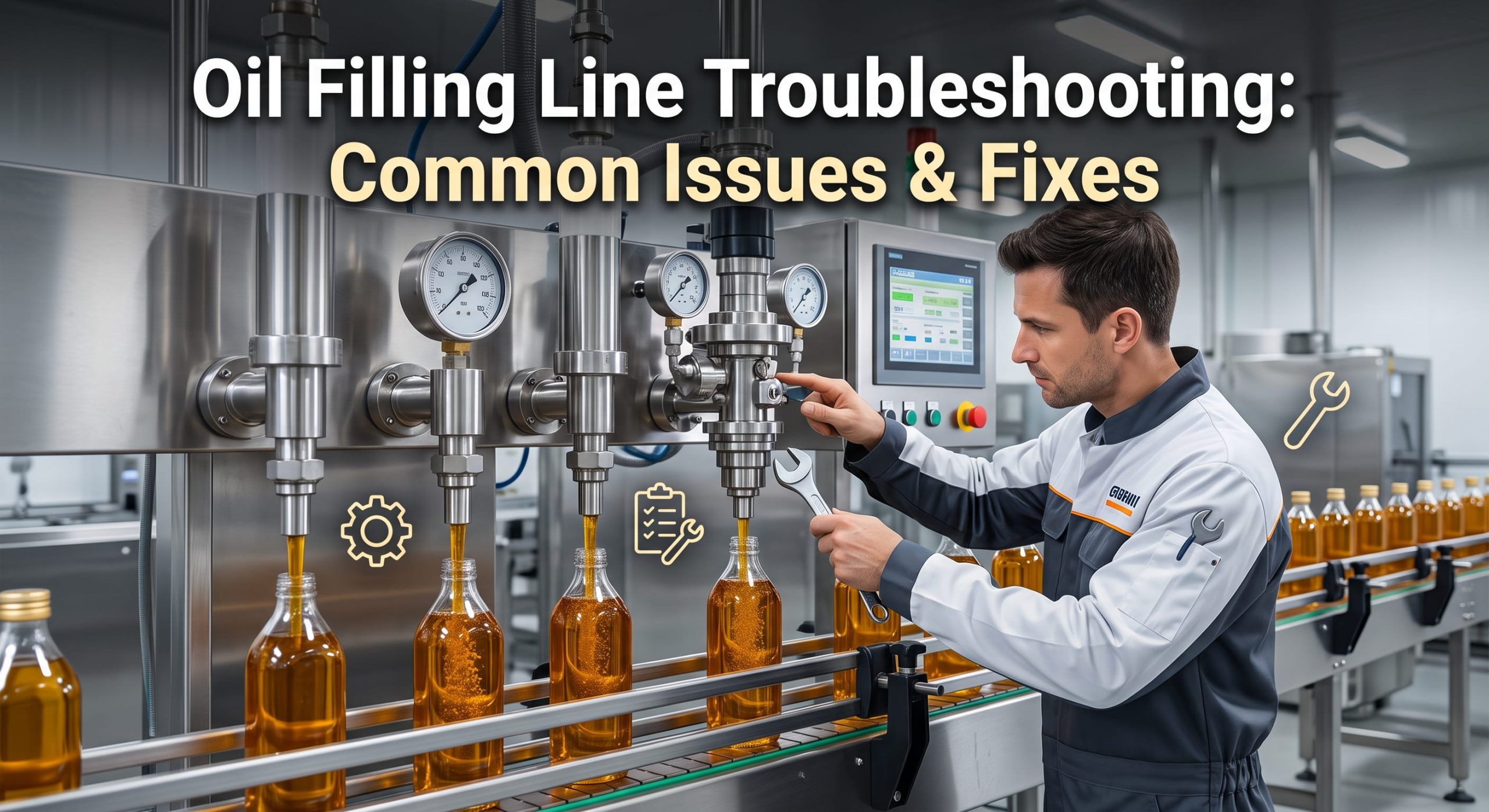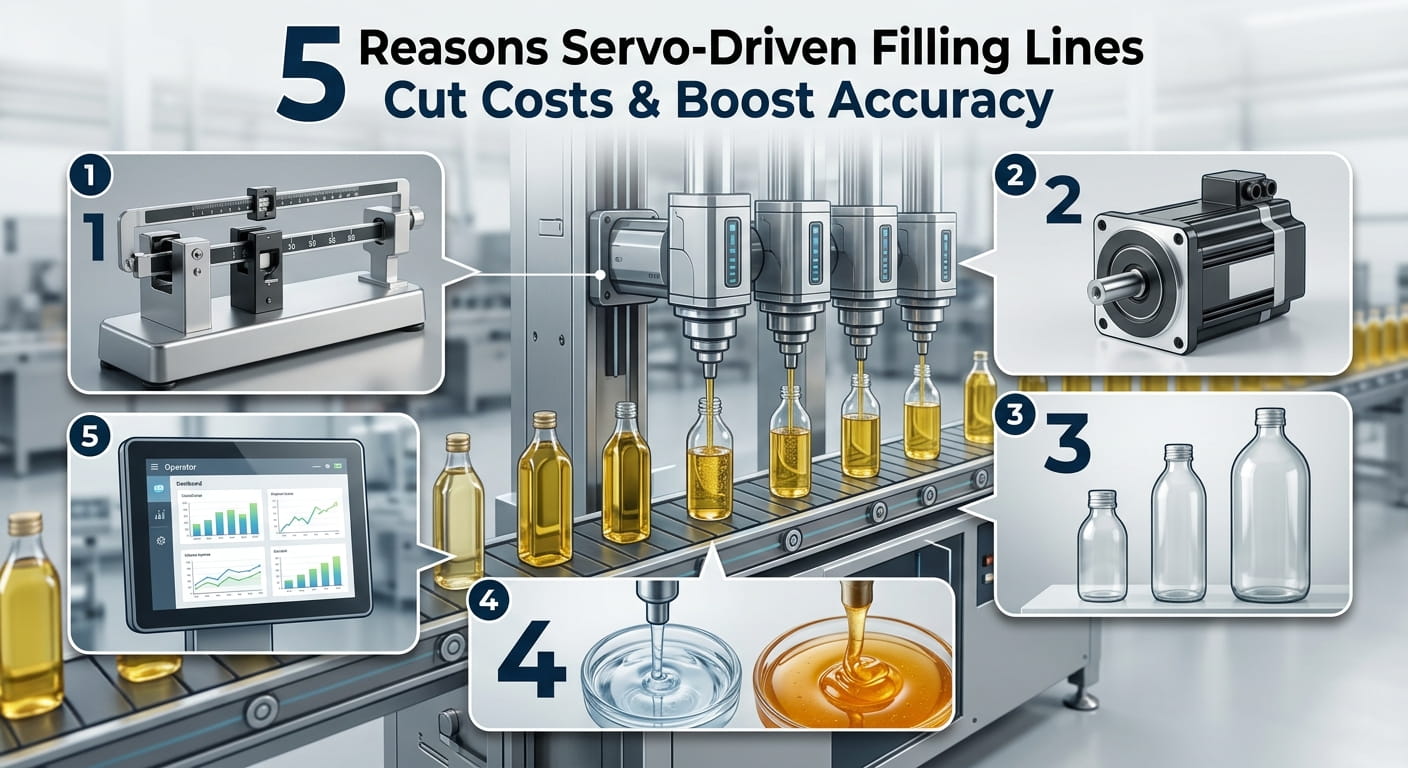
In the realm of production and packaging, the significance of filling machines cannot be underestimated. They play a critical role in ensuring that products are packaged efficiently, maintaining quality while maximizing productivity. This article delves into the various types of filling machines, their applications, and how to choose the right one for your business needs.
Understanding the Basics of Filling Machines
Filling machines are essential pieces of equipment in various industries, ranging from food and beverage to pharmaceuticals and chemicals. These machines are designed to dispense a specified amount of product into containers—be it bottles, jars, or pouches—ensuring accuracy and consistency. The choice of filling machine can have profound impacts on operational efficiency, cost management, and product integrity.
Types of Filling Machines
Filling machines can be categorized based on several parameters, including the mechanism of operation, the type of product being filled, and the container’s nature. Below are some of the most commonly used types:
1. Gravity Fillers
Gravity fillers operate on a straightforward principle: they depend on the force of gravity to fill containers. As the container is placed below a filling nozzle, the product flows into the container until it reaches the desired level. This type of machine is ideal for thin liquids, such as water, juice, or alcohol, due to its simplicity and low cost.
2. Pressure Fillers
Pressure fillers, as the name suggests, use air pressure to control the flow of the product into the container. This type of machine is particularly beneficial for viscous liquids, such as sauces and creams, where gravity may not be sufficient for proper filling. Pressure fillers ensure a quick filling process while minimizing air exposure, which is crucial for maintaining product quality.
3. Pump Fillers
Pump fillers utilize a pump to move the product into the container. They are versatile machines suitable for a wide range of product viscosities, from thin liquids to thick pastes. Positive displacement pumps are often employed in this type of filler, ensuring precise volumetric filling. This level of accuracy makes pump fillers a popular choice across various industries.
4. Auger Fillers
Auger fillers are specialized machines designed for filling powders and granulated products. They use a rotating auger to move the product into the container, making them ideal for applications in the food and pharmaceutical sectors. Auger fillers are known for their accuracy and consistency, making them a reliable choice for manufacturers.
5. Time-Pressure Fillers
Time-pressure fillers combine gravity and time-based control to fill containers. These machines work by pushing product into the container under controlled pressure for a specified time. They are particularly effective for filling foamy liquids or products that may be vulnerable to spillage. This combination makes time-pressure fillers suitable for industries like cosmetics and pharmaceuticals.
Key Considerations When Choosing a Filling Machine
When selecting a filling machine, businesses must consider several factors to ensure they make an informed decision that aligns with their operational requirements. Some of these factors include:
1. Product Characteristics
The nature of the product being filled is paramount in choosing the right filling machine. The viscosity, temperature, and tendency to foam or settle will influence the filling mechanism employed. For instance, liquid products with varying viscosities may require different types of fillers, such as pump fillers or pressure fillers.
2. Container Type and Size
The configuration of the containers also impacts the choice of the filling machine. Businesses must assess the dimensions, shapes, and materials of their containers. Some machines are designed to accommodate specific container types, while others may offer adjustable features to handle various sizes, enhancing versatility in production.
3. Production Speed
Production speed is a critical factor affecting the efficiency of the filling process. Businesses need to consider their production volume to ensure they choose a machine that meets their throughput requirements. Higher-speed machines may involve greater costs, but they can significantly enhance productivity for larger operations.
4. Level of Automation
Automation has become a key aspect of modern manufacturing processes. Depending on the operational scale and budget, businesses should evaluate whether to opt for fully automated, semi-automated, or manual filling machines. Automation can lead to reduced labor costs and increased consistency, although it usually comes with a higher initial investment.
5. Maintenance and Support
Any machinery will require maintenance, and filling machines are no exception. Consider the availability of technical support and spare parts when making a decision. Machines that are easier to maintain can lead to reduced downtime and more efficient operations. Regular maintenance schedules are crucial to prevent operational disruptions.
The Importance of Compliance and Quality Control
In highly regulated industries, compliance with industry standards and regulations is non-negotiable. Filling machines must be capable of producing consistent results while adhering to guidelines for hygiene, safety, and quality. Implementing robust quality control measures, including filling volume checks and batch traceability, helps ensure compliance and protects brand reputation.
Future Trends in Filling Technology
As technology advances, the filling machine landscape continues to evolve. Emerging trends that are shaping the future include:
1. Smart Technology and IoT
The integration of smart technology and the Internet of Things (IoT) into filling machines enables real-time monitoring and data analysis. This can lead to improved efficiency, predictive maintenance capabilities, and optimized production processes.
2. Sustainability and Eco-Friendly Solutions
With growing environmental concerns, many manufacturers are seeking eco-friendly filling solutions. Innovations that reduce material waste, energy consumption, and environmental impact are gaining traction in the industry.
3. Customization and Flexibility
Modern consumers increasingly demand customized products, which is propelling the need for flexible filling machines. Equipment that can quickly adapt to different products and container sizes without extensive changeover time is valuable in today’s fast-paced market.
Conclusion
In conclusion, filling machines are essential assets in the manufacturing and packaging processes across various industries. By understanding the different types of filling machines and considering factors such as product characteristics, container types, and production speed, businesses can make informed decisions that enhance operational efficiency. Moreover, keeping abreast of industry trends and prioritizing compliance will ensure that manufacturers remain competitive and innovative in an evolving landscape.
Ultimately, the right filling machine can lead to improved productivity, cost-effectiveness, and product quality, allowing businesses to meet consumer demands and achieve their operational goals.