In the globalized market, the demand for efficient and reliable manufacturing processes has led to substantial advancements in filling line technologies. This article aims to provide valuable insights into the functioning, types, benefits, and challenges associated with filling line factories. Whether you are a manufacturer, entrepreneur, or industry analyst, this guide will equip you with knowledge to better understand and navigate this critical sector.
Understanding Filling Line Factories
Filling line factories are specialized production facilities designed for the automated packaging of liquids, powders, and granular products. These systems are integral to industries such as food and beverage, pharmaceuticals, cosmetics, and chemicals. The primary purpose of filling line factories is to ensure products are filled, sealed, and labeled efficiently while maintaining quality and safety standards.
Components of a Filling Line
A typical filling line consists of several interconnected components, each serving a specific function in the production process. Understanding these components is essential for optimizing productivity and minimizing downtime.
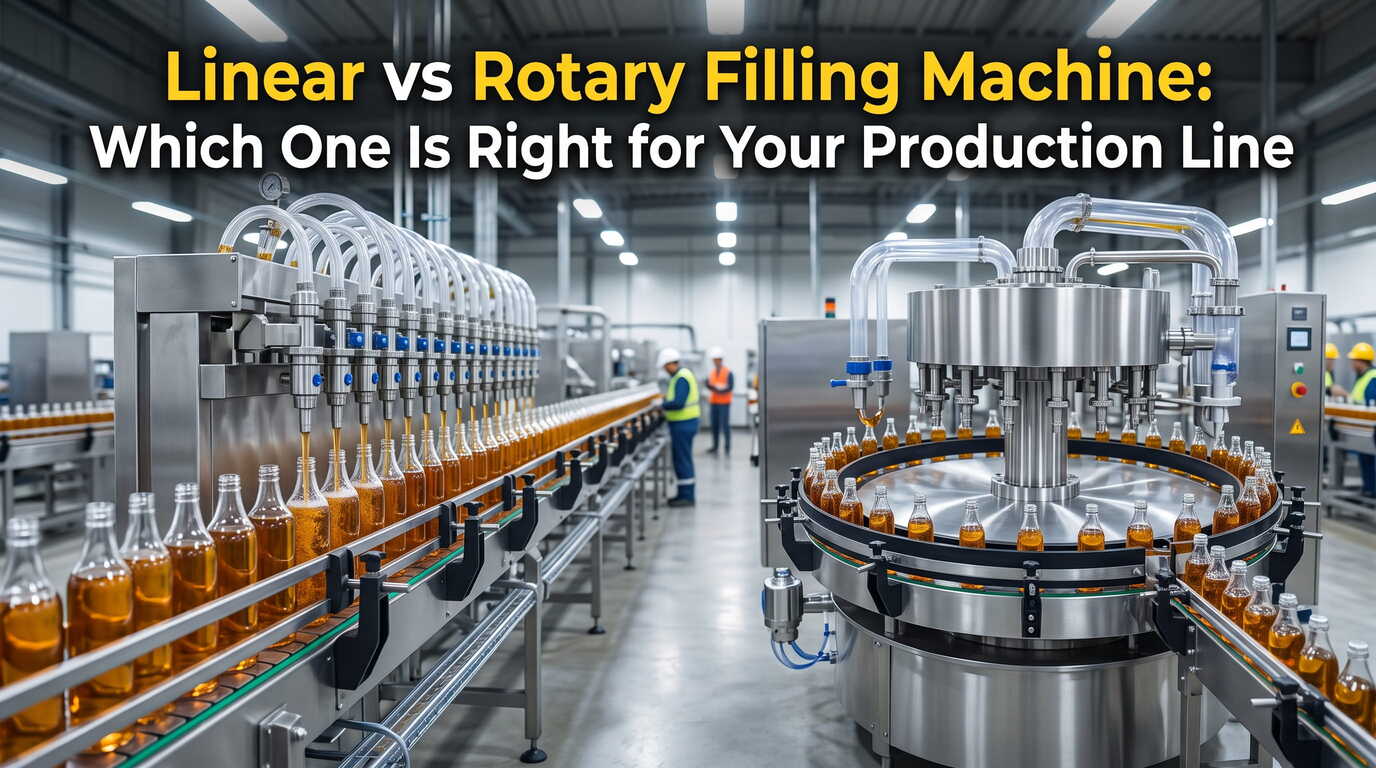
- Filling Machines: The heart of the filling line, these machines dispense the product into containers. They can be volumetric, gravimetric, or piston-based, depending on the material being filled.
- Conveyor Systems: These systems transport containers between different stages of production. They enhance efficiency and reduce the need for manual handling.
- Capping Machines: After filling, capping machines place and secure lids or caps on containers, ensuring product integrity.
- Labeling Machines: These machines apply labels to containers, providing essential information such as product details, expiration dates, and barcodes.
- Quality Control Stations: These are critical checkpoints that ensure the filled products meet all regulatory standards and specifications.
The Benefits of Filling Line Factories
Investing in a filling line factory comes with numerous advantages, particularly in terms of efficiency, scalability, and product quality. Here are some key benefits:
1. Increased Efficiency
Automated filling lines significantly enhance productivity compared to manual processes. High-speed machines can fill hundreds or even thousands of containers per hour, reducing lead times and meeting market demands more effectively.
2. Consistent Quality
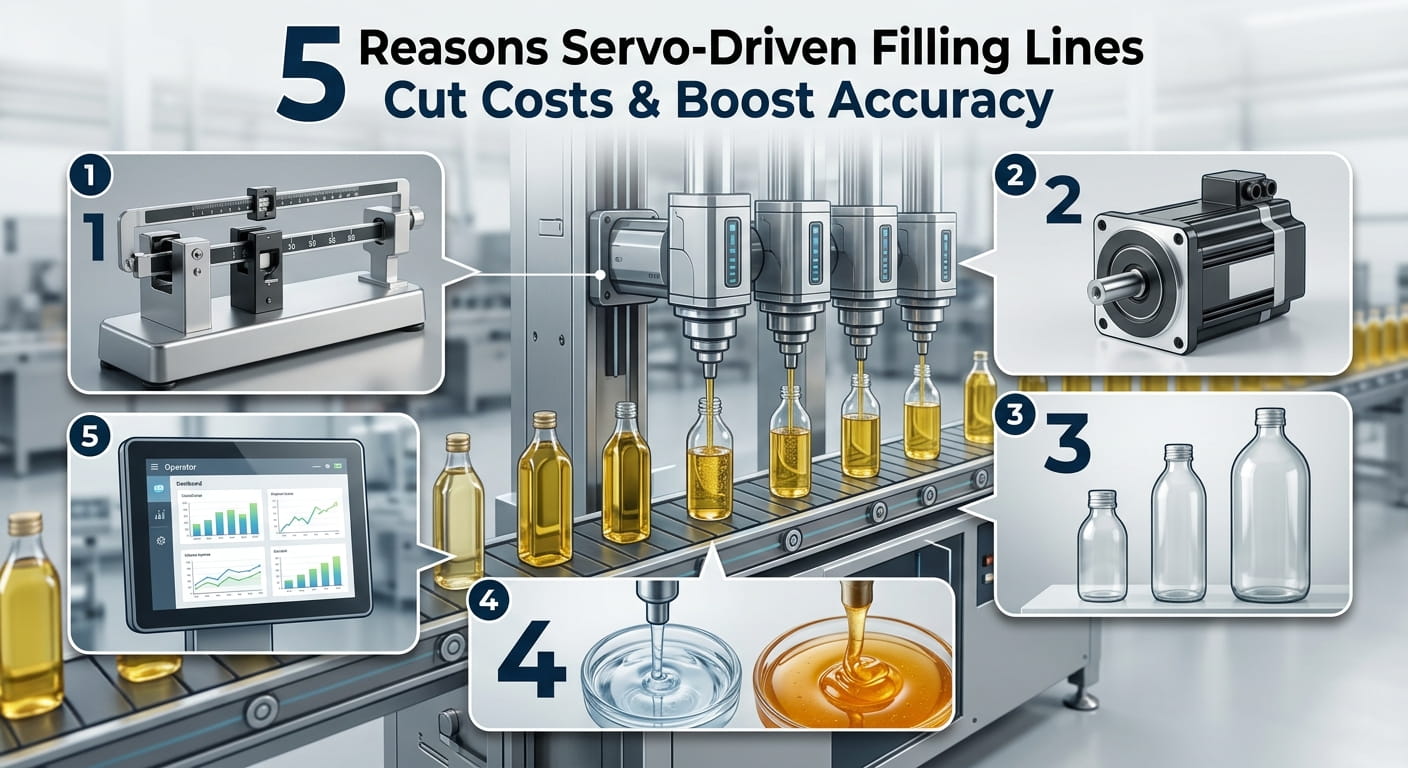
Automation minimizes human error, ensuring that each container is filled accurately. This consistency is crucial for maintaining product quality, especially in industries where precision is paramount, such as pharmaceuticals and food production.
3. Scalability
Filling line factories offer the ability to scale operations easily. As demand increases, manufacturers can invest in additional machines or upgrade existing ones without overhauling the entire system.
4. Safety and Compliance
Automated filling lines can be designed to adhere to strict regulatory requirements. It is easier to implement safety protocols and maintain cleanliness, reducing the risk of contamination and improving compliance with industry standards.
Types of Filling Line Systems
There are various types of filling line systems, each suited to specific applications and products. Understanding these can help manufacturers choose the right system for their needs.
1. Liquid Filling Lines
These systems are designed for the dispensing of liquids, including water, oils, sauces, and chemicals. They can feature different filling techniques such as volumetric, overflow, or time-based filling, tailored to the viscosity of the liquid.
2. Powder Filling Lines
Powder filling lines cater to dry substances, ranging from food powders like flour and sugar to industrial powders. They often utilize auger fillers or vacuum systems to ensure precise dispensing.
3. Granule Filling Lines
Granule filling lines handle products like seeds, granulated sugars, and other small solid particles. These lines generally use volumetric or gravimetric filling methods for maximum accuracy.
4. Aseptic Filling Lines
Aseptic filling lines are utilized in sterility-sensitive industries, mainly in food and pharmaceuticals. These systems ensure that products are filled in sterile environments, preventing contamination.
Challenges in Filling Line Operations
While filling line factories offer numerous benefits, they also come with challenges that manufacturers must navigate. Here are some of the most common issues:
1. Equipment Malfunctions
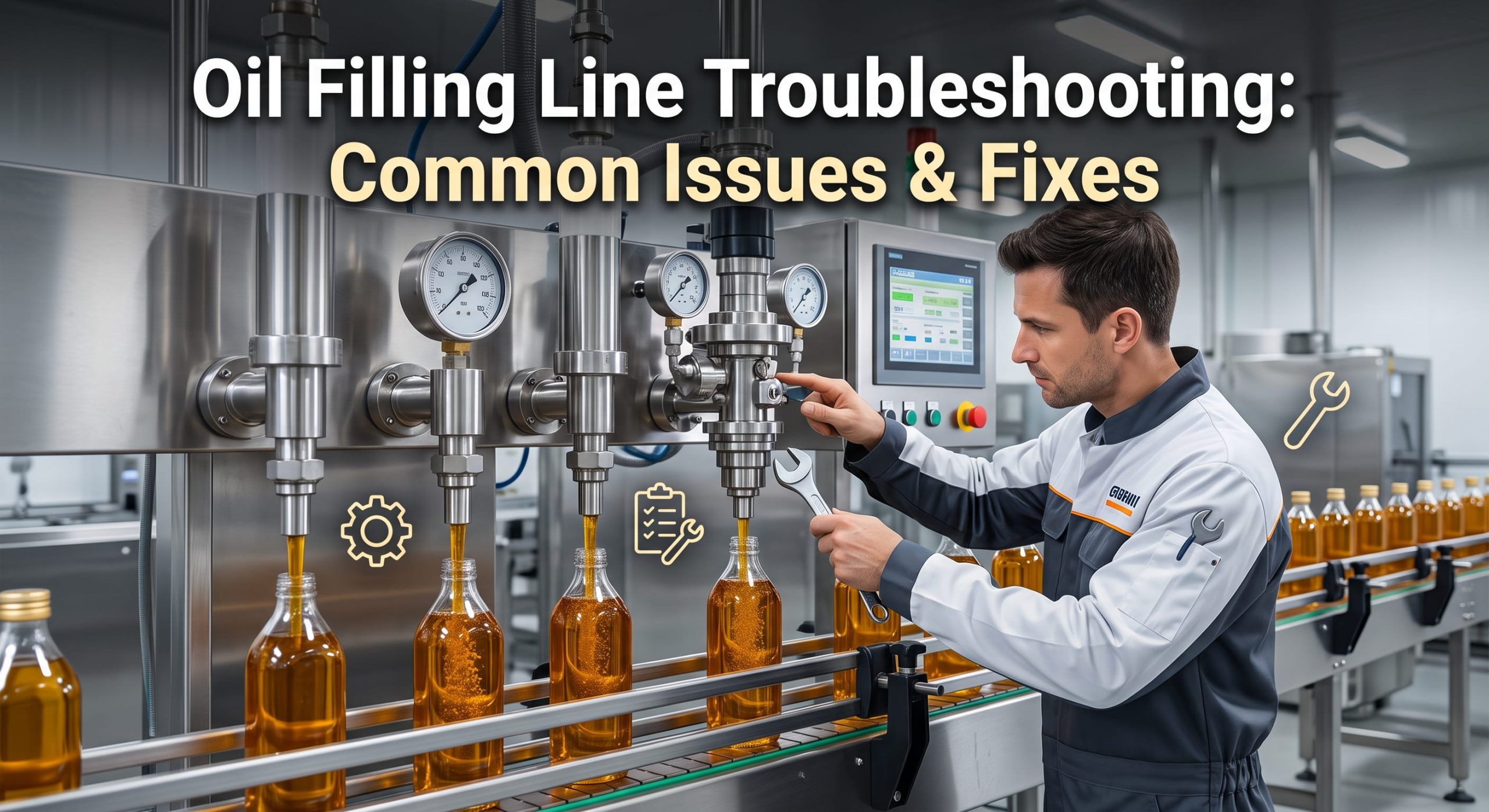
Technical malfunctions are a significant concern in filling line production. Regular maintenance and timely upgrades are essential to minimize downtime and ensure uninterrupted production.
2. Product Changeover
Switching between different products can lead to production inefficiencies. Implementing flexible filling systems designed for quick changeovers can mitigate this issue, but it requires careful planning and investment.
3. Regulatory Compliance
Staying compliant with health and safety regulations is vital for manufacturers. Establishing a robust quality assurance program and regular audits can help manage compliance effectively.
Practical Tips for Managing Filling Line Factories
To maximize the potential of your filling line factory, consider the following actionable tips:
1. Invest in Training
Ensure that all employees are trained not only on equipment operation but also on safety protocols and quality control procedures. A well-trained workforce can significantly enhance operational efficiency.
2. Utilize Technology
Leverage software solutions for monitoring production metrics, inventory management, and quality control. IoT and automation technologies can provide real-time data and predictive insights, helping in decision-making.
3. Regular Maintenance
Implement a scheduled maintenance program to keep machinery in optimal condition. Predictive maintenance can save costs in the long run by preventing unexpected failures.
4. Optimize Layout and Workflow
Design the factory layout to facilitate smooth transitions between various stages of the filling process. Efficient workflow reduces bottlenecks and enhances overall productivity.
5. Continuous Improvement
Establish a culture of continuous improvement by regularly reviewing processes and seeking employee feedback. Small changes over time can lead to significant improvements in efficiency and quality.
Conclusion
Filling line factories play an instrumental role in modern manufacturing, offering a mix of efficiency, quality, and scalability. Understanding the components, benefits, challenges, and practical management strategies of filling lines can empower stakeholders to make informed decisions. As industries continue to evolve and adapt to consumer demands, keeping pace with technological advancements and best practices will be vital for success in the competitive market landscape.