
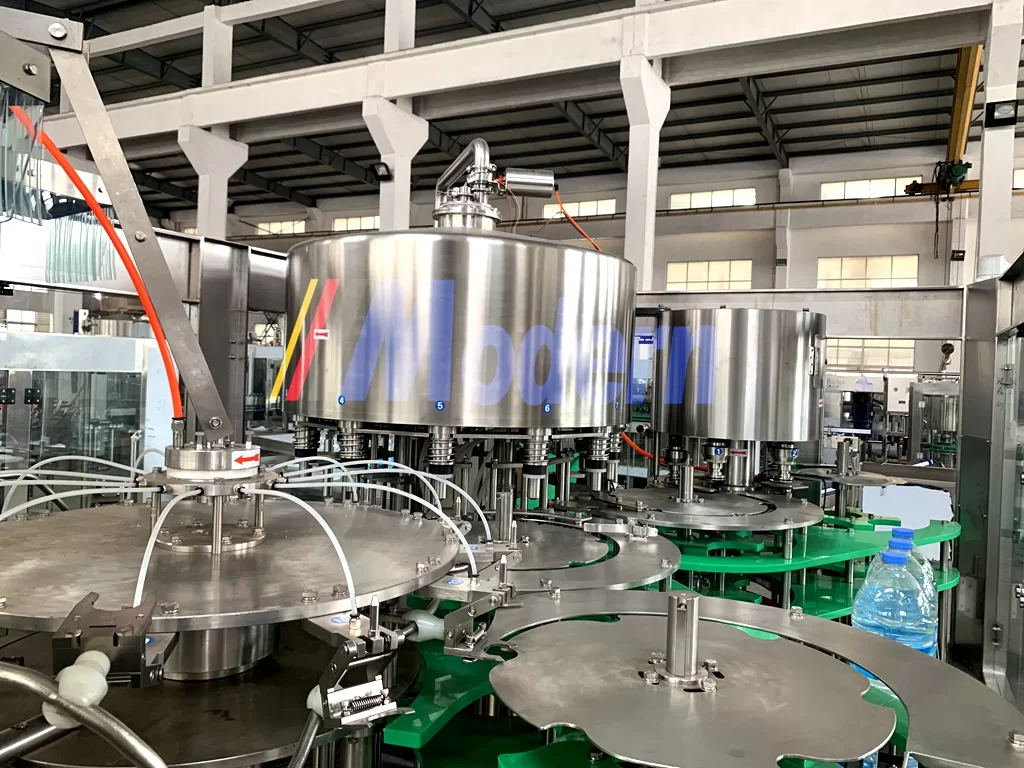
In the fast-paced world of manufacturing, efficiency and precision are paramount. One of the critical components of the production process, especially within the beverage and liquid packaging industries, is the bottle filling line. This complex system not only aids in maintaining productivity but also ensures adherence to quality standards and customer satisfaction. This article dives into the various dimensions of bottle filling lines, exploring their types, components, benefits, challenges, and practical insights that manufacturers can employ to optimize their operations.
Understanding Bottle Filling Lines
A bottle filling line refers to the assembly of machinery and equipment designed for the efficient transfer of liquid into containers (bottles). While commonly associated with beverages, these systems are also utilized in pharmaceuticals, chemicals, and various other industries. The primary objective of a bottle filling line is to automate the filling process, eliminate errors, minimize sanitation risks, and enhance productivity.
Types of Bottle Filling Lines
Understanding the different types of bottle filling lines is essential for manufacturers seeking to improve their operations. The choice of filling line often depends on several factors, such as the type of liquid, production volume, and desired packaging. Here are the major types of bottle filling lines:
1. Volumetric Fillers
Volumetric filling involves measuring a specific volume of liquid to fill into each container. This method is widely used for liquids of consistent viscosity, including water, juices, and soft drinks. Volumetric fillers ensure precision, providing an accurate fill level that meets regulatory standards.
2. Gravity Fillers
Gravity filling lines utilize gravity to draw liquid into the bottles. This method is ideal for low-viscosity liquids and is commonly used in the beverage industry. By positioning bottles underneath large tanks filled with liquid, manufacturers can achieve fast filling speeds. However, this system may not provide the same level of accuracy as volumetric fillers.
3. Pressure Fillers
Pressure fillers are employed for carbonated beverages, as they utilize pressure to prevent foaming during the filling process. These systems maintain carbonation levels and are designed to handle viscous and foamy liquids. Pressure filling lines are essential for breweries and soft drink manufacturers seeking to preserve product integrity.
4. Piston Fillers
Piston filling machines employ a piston mechanism to move liquid from a reservoir into bottles. This method excels in filling higher viscosity products, such as sauces and creams. Piston fillers are also highly versatile and can be easily adjusted for different fill volumes and container sizes.
Core Components of a Bottle Filling Line
A bottle filling line consists of several key components, seamlessly integrated to ensure efficient operation. These core components include:
1. Feed and Oriental Systems
Feed systems are designed to deliver empty bottles to the filling line, while orienting systems ensure that each bottle is correctly positioned for filling. Accurate orientation is crucial to prevent spillage and contamination.
2. Filling Stations
The filling station is the heart of the bottle filling line where the actual liquid transfer occurs. Depending on the filling method employed, various filling technologies will be utilized here, including volumetric, gravity, pressure, or piston filling systems.
3. Capping and Sealing Equipment
Once filled, bottles must be capped and sealed to maintain freshness and quality. Capping equipment ensures tight closure, preventing leakage and contamination. Different capping techniques such as screw-on caps, snap-on lids, or corking devices may be employed based on the packaging requirements.
4. Labeling Systems
Labeling is another integral part of the bottle filling line. Accurate labeling of products is essential for branding and regulatory compliance. Labeling machines can apply labels quickly and precisely, ensuring the finished product is ready for market distribution.
5. Packaging and Palletizing
Final packaging and palletizing systems prepare bottled products for shipping. Packaging lines typically include boxing machines and shrink-wrapping equipment. Automated palletizers can stack finished goods onto pallets efficiently, readying them for transportation.
Benefits of Automating Bottle Filling Lines
Investing in a bottle filling line can offer several key benefits for manufacturers:
1. Increased Efficiency
Automation significantly speeds up the filling process, allowing for higher production rates. Filling lines can operate 24/7, enabling manufacturers to meet, and even exceed, market demands.
2. Improved Accuracy
Automated filling reduces human error, ensuring precise fill levels and minimizing wastage. Consistency in output quality leads to enhanced customer satisfaction.
3. Enhanced Hygiene Standards
High-quality bottle filling lines are designed with sanitation in mind, featuring easy-to-clean surfaces and materials. Ensuring cleanliness minimizes contamination risks and upholds food safety regulations.
4. Reduced Labor Costs
While the upfront investment in a bottle filling line may be substantial, the reduction in manual labor and labor-related costs offer significant long-term savings. Automation allows manufacturers to allocate their workforce to more strategic roles.
Common Challenges in Bottle Filling Line Operations
Despite the numerous benefits, manufacturers may encounter challenges when operating bottle filling lines, including:
1. Maintenance and Downtime
Regular maintenance is critical to prevent unexpected downtimes and costly repairs. Implementing a proactive maintenance strategy can mitigate these risks and ensure optimal performance.
2. Adaptability to Different Products
As product lines evolve or change, a bottle filling line must be adaptable to accommodate varying liquid characteristics and container types. Investing in versatile equipment can alleviate this challenge.
3. Initial Capital Investment
The upfront costs associated with purchasing, installing, and integrating a bottle filling line can be significant. Manufacturers must evaluate potential return on investment (ROI) when contemplating an upgrade or introduction of automation.
Practical, Actionable Advice for Enhancing Bottle Filling Line Efficiency
To optimize the performance of bottle filling lines, manufacturers can implement several practical strategies:
1. Conduct Regular Training for Operators
Continuous training enables operators to effectively utilize machinery and reduce human error. Establishing a training protocol during onboarding and advancing knowledge through workshops is crucial.
2. Invest in Technology Upgrades
Staying up-to-date with the latest technology can drive efficiency. Consider implementing IoT-enabled devices for real-time monitoring of production and predictive maintenance.
3. Optimize Line Layout
Strategically designing the layout of a bottle filling line can minimize transportation time between individual stations. A comprehensive analysis of workflow can lead to substantial time savings.
4. Monitor Key Performance Indicators (KPIs)
Establishing KPIs can help in measuring the efficiency of different components within the filling line. Common metrics include production speed, downtime, and fill accuracy. Regularly reviewing these metrics can drive improvements.
Conclusion
In summary, the bottle filling line is an essential component of modern manufacturing, particularly in the beverage and liquid product industries. Understanding its various types, components, benefits, and challenges is crucial for any manufacturer looking to streamline operations and maintain competitiveness in the market. By adopting a strategic approach that combines technology, training, and continuous improvement, manufacturers can maximize the efficiency and effectiveness of their bottle filling lines. Ultimately, this leads to greater customer satisfaction and improved profitability.


