Beverages are an essential part of human culture, with a rich history spanning thousands of years. Whether it’s bottled water, soft drinks, or fine wines, the bottling process plays a critical role in delivering quality products to consumers. Beverage bottling lines are complex systems designed to automate and enhance the efficiency of this process. This article delves into the intricacies of beverage bottling lines, offering insights into the latest technologies and best practices, while providing actionable advice for businesses keen on optimizing their operations.
Understanding Beverage Bottling Lines
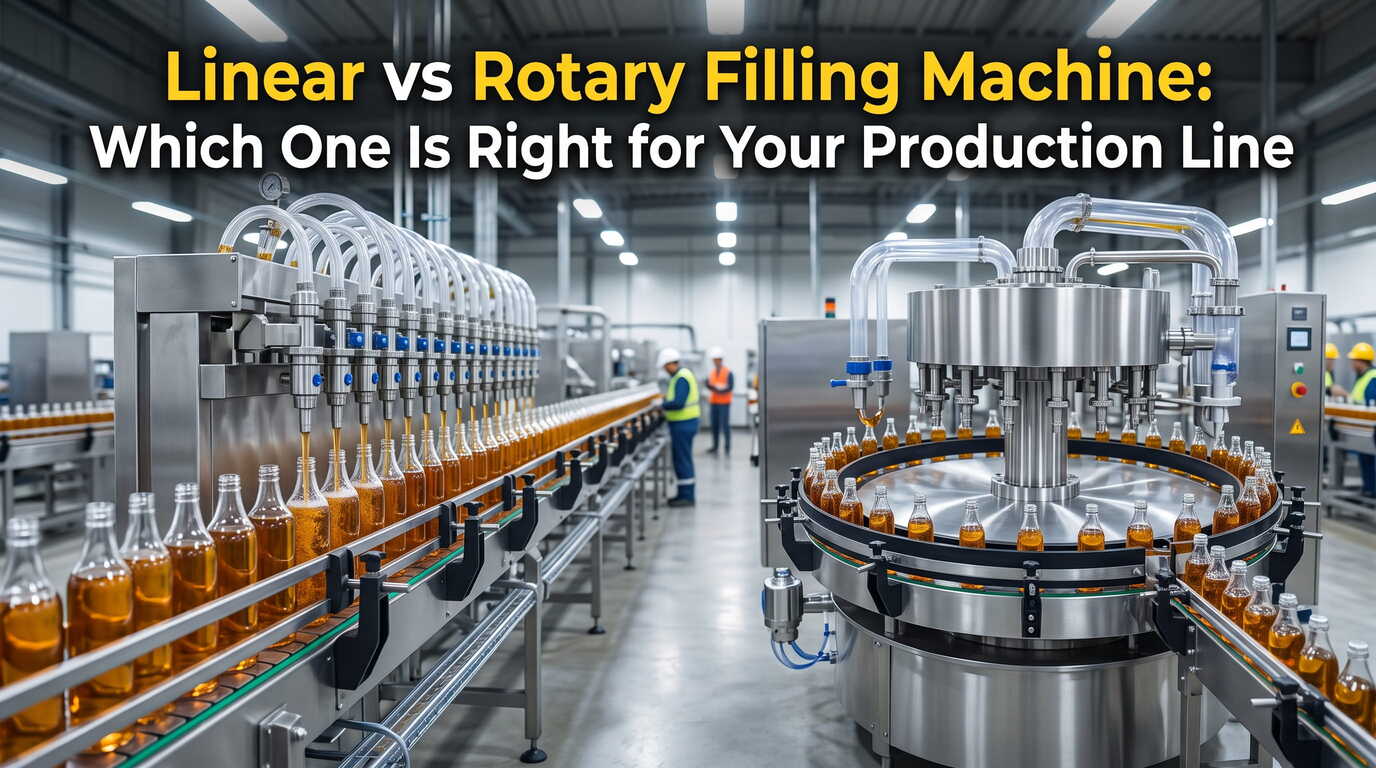
A beverage bottling line consists of various interconnected machinery and processes that work together to package drinks in bottles efficiently. The workflow typically involves several stages: rinsing, filling, capping, labeling, and packaging. Each stage contributes significantly to the quality of the end product and its market readiness.
As bottling lines can cater to multiple types of beverages—including carbonated drinks, juices, and alcoholic products—their design often varies to accommodate unique requirements. This customization enables a seamless integration of different technologies, creating a unified system aimed at maximizing productivity while maintaining stringent safety and quality standards.
The Key Components of Beverage Bottling Lines
1. Rinsing and Cleaning
The first step in a bottling line is ensuring that the bottles are thoroughly cleaned to eliminate any contaminants. Automatic rinsers utilize high-pressure sprays to sanitize bottles before they are filled. Using solutions such as chlorine or ozone can also enhance the cleaning process, safeguarding product integrity and flavor.
2. Filling Systems
The filling stage is crucial, as it determines not only the quantity of beverage per bottle but also its overall quality. Filling mechanisms can range from gravity fillers to more sophisticated pressure or flow fillers, depending on the drink type. For instance, carbonated beverages often utilize counter-pressure fillers to prevent foaming.
3. Capping Machines
Capping is another vital step that ensures product freshness and prevents leaks. Capping machines, which can be either manual or automatic, use various methods—screw-on caps, corks, or crown seals—based on the beverage type. Maintaining a secure closure is essential for preserving the contents and ensuring a long shelf life.
4. Labeling Systems
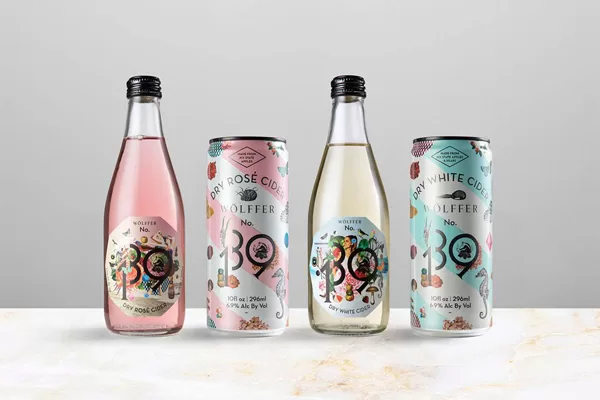
Branding plays a significant role in the beverage industry, and labeling ensures that products stand out on shelves. Automated labeling machines can apply adhesive labels, shrink sleeves, or printed directly on the bottle. High precision in this step not only guarantees compliance with regulations but also enhances brand recognition.
5. Packaging
The packaging stage prepares bottles for distribution. This usually involves boxing or palletizing the finished products. Automated packaging systems can handle high volumes efficiently and ensure that the products are ready for delivery while minimizing damage and waste during transit.
Technological Advancements in Bottling Lines
As technology continues to evolve, so does the beverage bottling industry. Automation and advanced monitoring systems have significantly improved efficiency across every stage of production. Here are key advancements making a difference:
1. Smart Factory Technologies
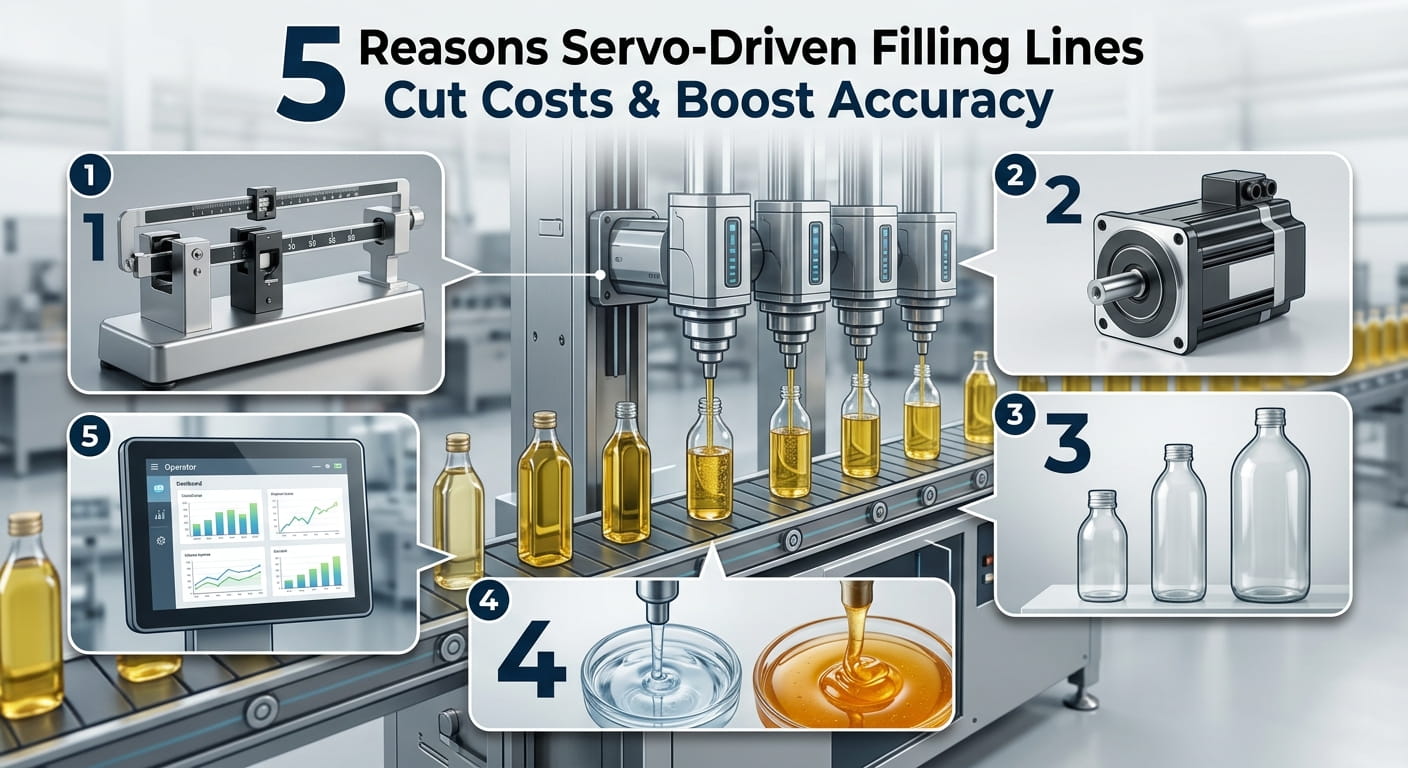
The advent of Industry 4.0 is revolutionizing manufacturing processes. Beverage bottling lines are increasingly implementing the Internet of Things (IoT) to gather data in real-time, enabling better decision-making based on operational insights. This interconnected approach allows for predictive maintenance, reducing downtime and enhancing productivity.
2. Energy Efficiency
With rising energy costs and environmental concerns, modern bottling lines are investing in energy-efficient machinery. Regenerative systems that recycle energy during operation help reduce overall energy consumption, leading to lower costs and a reduced carbon footprint.
3. Artificial Intelligence in Quality Control
Artificial intelligence is redefining quality assurance. Advanced imaging systems integrated with AI can detect imperfections or discrepancies in real-time during the filling and labeling stages. This not only ensures that only products meeting quality standards reach consumers but also helps identify areas for operational improvement.
Best Practices for Managing Beverage Bottling Lines
For businesses operating in the beverage industry, implementing best practices can greatly enhance the efficiency and efficacy of their bottling lines. Here are practical steps to consider:
1. Regular Maintenance and Upgrades
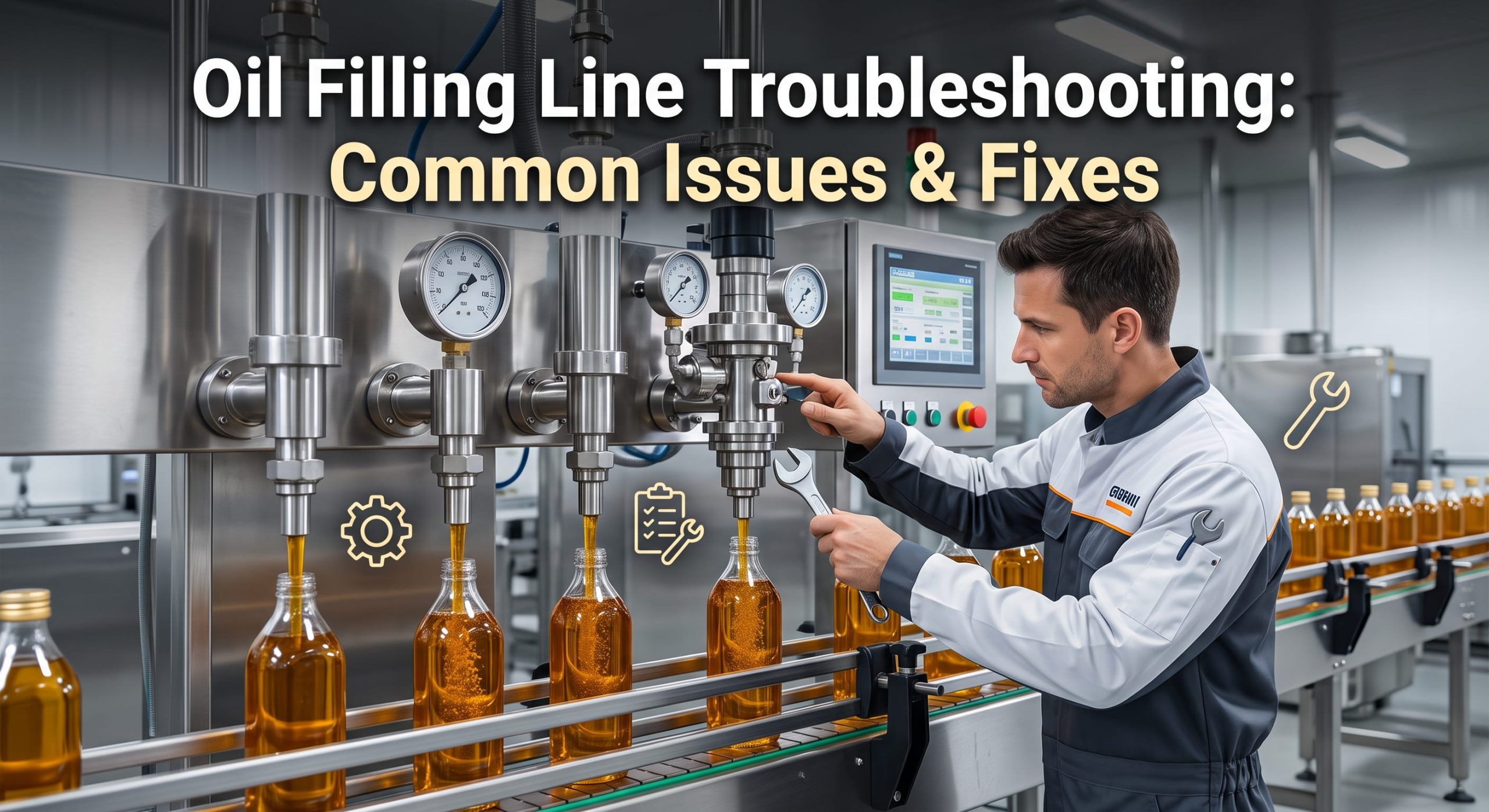
Regularly scheduled maintenance is essential for preventing equipment failures and costly downtimes. Identify key performance indicators (KPIs) to gauge machinery effectiveness, addressing potential issues proactively. Keeping bottling lines updated with the latest technology also ensures your processes remain competitive.
2. Training and Development
Your workforce is your most valuable asset. Invest in training programs for employees to enhance their skills in operating and maintaining bottling equipment. A well-trained team is better equipped to handle troubleshooting, ensuring that production runs smoothly.
3. Implementing Lean Manufacturing Principles
Apply lean manufacturing principles to reduce wastage and enhance operational efficiency. Focus on continuous improvement strategies that identify and eliminate non-value-added activities within the bottling process, streamlining production while safeguarding quality.
The Future of Beverage Bottling Lines
As consumer preferences shift towards healthier and more sustainable options, the beverage industry landscape will continue to evolve. Bottling lines must adapt to these changes by integrating more flexible systems capable of handling multiple beverage types, facilitating faster changeovers, and supporting diverse packaging solutions.
The trend toward sustainability will likely shape decisions regarding materials and energy usage. Expect to see more companies adopting biodegradable packaging and eco-friendly production practices, aiming for sustainability while maintaining efficiency and profitability.
Conclusion
In conclusion, beverage bottling lines are critical in the production process, affecting the overall quality and appeal of the final products. Companies committed to optimizing their operations will benefit from regular maintenance, technological integration, and employee training, leading to increased efficiency and enhanced product quality.
Staying ahead in this competitive market demands continuous adaptation to emerging technologies and changing consumer preferences. By implementing the insights and best practices discussed in this article, businesses can build resilient bottling lines that not only meet current demands but also thrive in the future.