
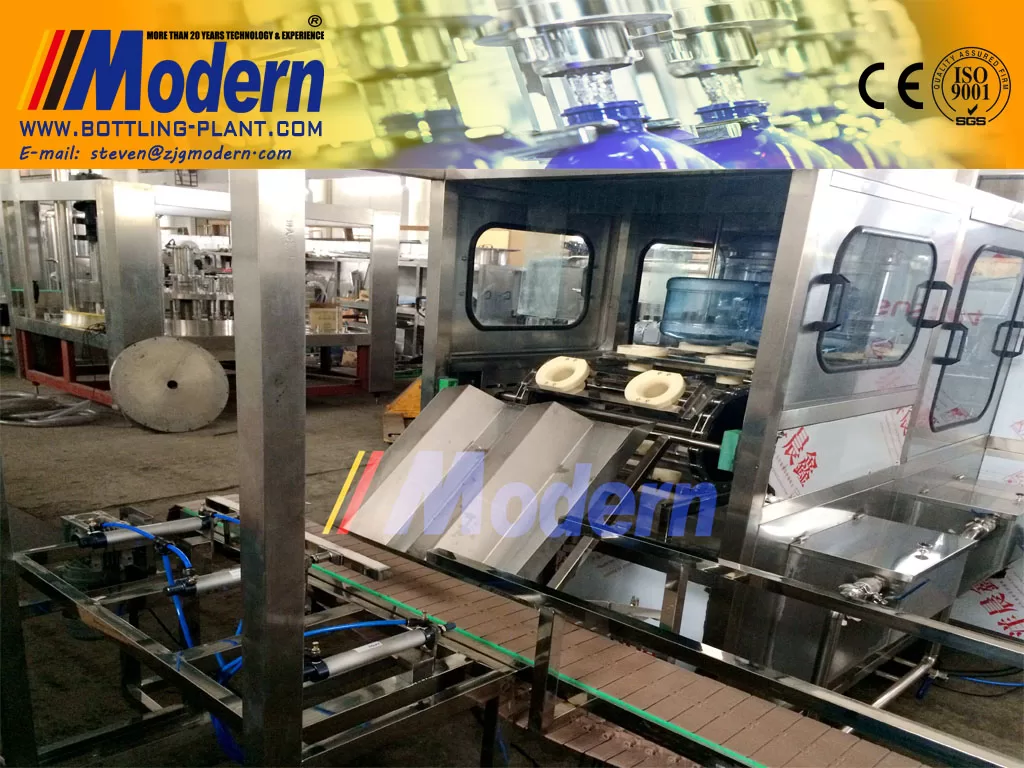
The manufacturing and packaging industries are constantly evolving, with continuous innovations driving productivity and efficiency. Among these innovations, barrel filling machines have emerged as essential equipment for businesses engaged in the bottling, packaging, and distribution of liquid products. Whether operating in food and beverage, pharmaceuticals, chemicals, or oil industries, understanding the mechanics, benefits, and operational aspects of barrel filling machines is critical for enhancing production workflows and improving overall efficiency.
Understanding Barrel Filling Machines
Barrel filling machines are designed to automate the process of filling barrels or drums with various liquid products. These machines eliminate the need for manual filling, significantly increasing productivity and accuracy while reducing human error. They come in different configurations and technological advancements, catering to various industry requirements.
In broader terms, barrel filling machines can be classified based on their filling mechanisms, which generally include gravity, overflow, and volumetric filling systems. Each mechanism has its unique advantages, potentially making one more suitable than others depending on the specific production needs.
The Filling Mechanisms
Gravity Filling
Gravity filling utilizes the force of gravity to dispense liquid from a tank into the barrel. This method is suitable for filling thin, free-flowing liquids such as water or light oils. Gravity filling machines are generally cost-effective and simple, making them an ideal choice for smaller operations.
Overflow Filling
This mechanism fills the barrel until the liquid overflows from a spout, ensuring a consistent fill level. Overflow fillers are perfect for products that need to be filled to a specific volume without variance, such as beverages and chemicals. The accuracy achieved through this method is a significant advantage for manufacturers focused on consistency.
Volumetric Filling
Volumetric filling systems measure the exact volume of liquid to be dispensed, which makes this method particularly advantageous for thicker or viscous liquids. By ensuring that each barrel contains precisely the same volume, manufacturers can maintain quality control and meet industry regulations, particularly in pharmaceutical and chemical sectors.
Benefits of Using Barrel Filling Machines
Investing in barrel filling machines brings several advantages to businesses, including:
Increased Efficiency
One of the primary benefits of barrel filling machines is the increased efficiency they provide. By automating the filling process, businesses can achieve faster production rates, allowing them to meet higher demand without compromising on quality. This increased output directly translates to improved profitability and reduced labor costs.
Improved Accuracy and Consistency
Manual filling processes often lead to significant variation in fill levels, which can result in customer dissatisfaction and compliance issues. Barrel filling machines, particularly those with volumetric and overflow mechanisms, ensure that every barrel is filled to the same level, thereby minimizing discrepancies and enhancing overall product reliability.
Reduced Labor Costs
Investing in barrel filling machinery allows businesses to streamline their labor force. By automating the filling process, companies can either reduce the number of employees needed for filling operations or reallocate workers to more complex tasks, thereby maximizing labor productivity.
Enhanced Workplace Safety
Automating the filling process also enhances workplace safety. Manual handling of liquids can often lead to spills, which can create unsafe working conditions. Barrel filling machines mitigate this risk by controlling liquid dispensation, resulting in a safer work environment and reduced liability for businesses.
Choosing the Right Barrel Filling Machine
With various options on the market, selecting the right barrel filling machine for your operations can be challenging. Here are several factors to consider:
Product Characteristics
The type of liquid being filled plays a significant role in determining the appropriate filling machine. Consider viscosity, temperature, and chemical properties. For instance, viscous liquids require volumetric filling machines, while thin liquids may be adequately served by gravity fillers.
Production Volume
Understanding your production volume requirements is critical. High-demand production lines would benefit from high-speed filling machines, while smaller operations may use simpler, less costly machines.
Type of Container
The specific barrel or drum size and material (plastic, metal, etc.) should also be considered when selecting a filling machine. Ensure compatibility to avoid complications during the filling process.
Budget Constraints
Cost is an inevitable factor when deciding on machinery. Understand not only the upfront costs associated with purchasing a barrel filling machine but also ongoing maintenance, service costs, and operating expenses.
Installation and Maintenance Considerations
Once the right filling machine has been selected, the installation process requires careful planning and execution. Ensuring that the machine is integrated into existing production lines efficiently is vital. In addition, ongoing maintenance is crucial to guarantee the longevity of the equipment and prevent costly downtime.
Installation Tips
- Ensure sufficient space is available for installed machinery while complying with safety regulations.
- Coordinate with professional installers to mitigate risks during the setup process.
- Conduct thorough testing to ensure all functions operate smoothly before full-scale production begins.
Maintenance Best Practices
- Conduct regular inspections of critical components, such as pumps, valves, and seals, to detect wear and tear.
- Schedule preventive maintenance to replace parts before they fail, minimizing the risk of production disruptions.
- Train staff on proper cleaning and handling procedures to extend machine lifespan and maintain hygienic standards.
Future Trends in Barrel Filling Technology
The barrel filling machine landscape is continually evolving. Upcoming trends show an increase in smart technology integration, including IoT-enabled devices that allow for real-time monitoring of machinery performance. This innovation will empower businesses to analyze their filling processes, optimize production rates, and respond to maintenance needs instantaneously.
Moreover, sustainability is becoming an essential consideration in modern manufacturing. Many companies are investing in eco-friendly filling machines that utilize energy-efficient mechanisms and minimize waste. This forward-thinking approach not only benefits the environment but also aligns businesses with consumer preferences that favor sustainable practices.
Conclusion
Barrel filling machines are an indispensable asset for a wide range of industries. Understanding their operational mechanics, benefits, and maintenance requirements ensures that businesses can harness the full potential of this essential technology. As you consider the integration of barrel filling machines into your own operations, keep in mind practical considerations such as product characteristics, production volumes, and the latest technological advancements. By doing so, you can position your business for enhanced efficiency, lower operational costs, and greater market competitiveness.


