
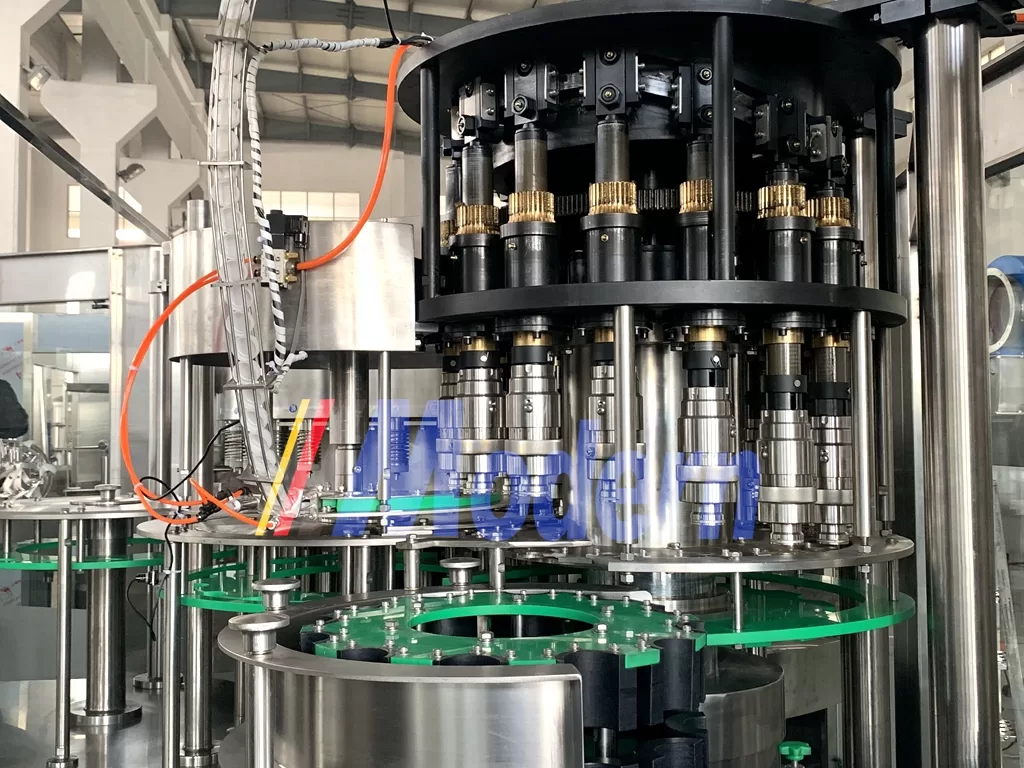
In the dynamic world of beverage production, efficiency and precision are paramount. For breweries, both large and small, the bottling process can significantly impact productivity and product quality. Automatic beer bottling machines have emerged as essential tools in modern breweries, streamlining operations and ensuring consistent output. This article delves into the various aspects of automatic beer bottling machines, exploring their benefits, types, operational mechanisms, and considerations for breweries looking to invest in this technology.
Understanding Automatic Beer Bottling Machines
Automatic beer bottling machines are sophisticated devices designed to fill, cap, and label bottles with minimal human intervention. These machines are engineered to handle various bottle sizes and types, ensuring that the bottling process is not only efficient but also maintains the integrity of the beer. The transition from manual to automatic bottling systems has revolutionized the brewing industry, allowing for higher production rates and improved quality control.
Benefits of Using Automatic Beer Bottling Machines
1. Increased Efficiency
One of the primary advantages of automatic beer bottling machines is their ability to significantly increase the efficiency of the bottling process. These machines can fill and cap bottles at a much faster rate compared to manual bottling, reducing the time taken to prepare products for distribution. This efficiency is particularly beneficial for breweries experiencing growth or those looking to scale their operations.
2. Consistent Quality Control
Automatic bottling machines are equipped with advanced technology that ensures precise filling and capping. This consistency is crucial for maintaining the quality of the beer, as variations in fill levels or improper capping can lead to spoilage or contamination. By automating the bottling process, breweries can achieve uniformity across batches, enhancing the overall quality of their products.
3. Labor Savings
Investing in automatic bottling technology can lead to significant labor savings. While initial costs may be higher, the reduction in labor costs over time can offset this investment. Fewer employees are needed to manage the bottling process, allowing staff to focus on other critical areas of production and quality assurance.
4. Enhanced Hygiene Standards
Automatic beer bottling machines are designed with hygiene in mind. Many models feature easy-to-clean surfaces and automated processes that minimize human contact with the product. This focus on hygiene is essential in the brewing industry, where contamination can lead to off-flavors and spoilage.
Types of Automatic Beer Bottling Machines
There are several types of automatic beer bottling machines, each catering to different production needs and scales. Understanding these types can help breweries choose the right machine for their operations.
1. Gravity Fillers
Gravity fillers use the force of gravity to fill bottles with beer. This type of machine is often used for less carbonated beverages, as it minimizes the risk of foaming during the filling process. Gravity fillers are typically suitable for smaller breweries that produce lower volumes of beer.
2. Pressure Fillers
Pressure fillers are designed to handle carbonated beverages, making them ideal for most types of beer. These machines fill bottles under pressure, which helps to reduce foaming and ensures that the beer maintains its carbonation levels. Pressure fillers are often used in larger breweries with higher production demands.
3. Counterpressure Fillers
Counterpressure fillers are a more advanced option, particularly suitable for high-volume breweries. These machines fill bottles while maintaining the pressure inside the bottle, allowing for optimal carbonation retention. Counterpressure filling is ideal for craft breweries that prioritize quality and consistency.
4. Monoblock Systems
Monoblock systems combine the filling, capping, and labeling processes into a single unit. This integration streamlines operations and reduces the footprint of the bottling line. Monoblock systems are particularly advantageous for breweries looking to maximize efficiency and minimize space requirements.
Key Features to Consider When Choosing a Machine
When selecting an automatic beer bottling machine, breweries should consider several key features to ensure they choose the right equipment for their needs.
1. Production Capacity
Understanding the production capacity of the bottling machine is crucial. Breweries should assess their current and future production needs to select a machine that can handle their volume without sacrificing quality. Machines are typically rated by bottles per hour, so it’s essential to choose one that aligns with your production goals.
2. Bottle Compatibility
Different bottling machines are designed to accommodate specific bottle sizes and types. Breweries should consider the range of bottles they plan to use and ensure that the


