
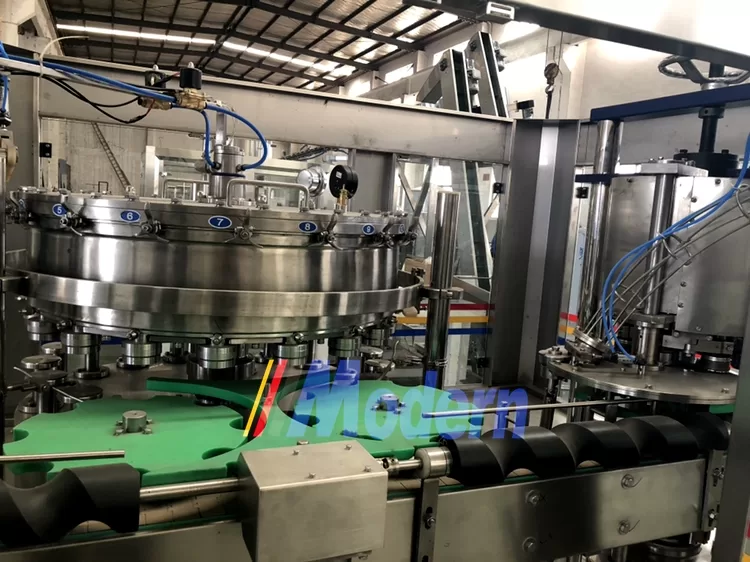
In the realm of packaging technology, the aluminum can filling machine stands out as a critical component in the beverage and food industries. As more producers turn to sustainable packaging solutions, the aluminum can has garnered immense popularity, leading to an increased demand for efficient and reliable filling machinery. This article delves deep into the complexities of aluminum can filling machines, addressing their functionality, types, operational considerations, and advancements in technology while providing practical insights for businesses.
Understanding Aluminum Can Filling Machines
An aluminum can filling machine automates the process of filling beverage and food products into aluminum cans. These machines are engineered to maintain product integrity, enhance efficiency, and ensure compliance with safety standards. Whether you are dealing with carbonated beverages, non-carbonated drinks, or even food items, the right filling machine plays a pivotal role in your production line.
The Functionality of Filling Machines
The primary function of an aluminum can filling machine is to fill cans in a controlled and efficient manner, minimizing spillage and waste. The filling process can be broken down into several key stages:
- Preparation of Cans: Cans are first sterilized and transported to the filling station.
- Pressurization (for Carbonated Beverages): In the case of carbonated drinks, cans may undergo pressurization before filling to prevent foaming.
- Filling: This is the core function where the product is dispensed into the can. Different filling techniques may be employed depending on the product type.
- Sealing: After filling, cans are sealed to maintain freshness and prevent contamination.
Types of Aluminum Can Filling Machines
Understanding the various types of filling machines available is essential for choosing the right one that aligns with your production needs:
1. Gravity Fillers
Gravity filling machines utilize the force of gravity to fill cans. This type is ideal for less viscous liquids like water and soft drinks. While they are simpler and generally less expensive, they may lack the speed and efficiency of other systems.
2. Pressure Fillers
Pressure filling machines are suited for carbonated beverages. They fill cans under pressure, which helps reduce foaming and ensures that the product reaches the desired filling level. This method is more complex but necessary for maintaining product quality in carbonated drinks.
3. Vacuum Fillers
Vacuum filling machines remove air from the can before filling them, which minimizes the risk of oxidation for sensitive products like juices and sauces. This approach preserves the quality of the contents while extending shelf life.
4. Rotary Filling Machines
Rotary filling machines utilize a rotating mechanism to fill multiple cans simultaneously, significantly increasing output. These machines are suitable for high-volume production lines and can be fitted for various filling types.
Key Considerations When Choosing a Filling Machine
The selection of an aluminum can filling machine requires careful consideration of several factors:
1. Production Volume
Understanding your production capacity is vital. For low-volume production, simpler gravity fillers might suffice, whereas high-volume operations would benefit more from rotary or pressure systems.
2. Product Type
The characteristics of the product—such as viscosity, carbonation level, and sensitivity—will significantly influence the type of filling machine required. Knowing how your specific product behaves during filling will lead to better choices.
3. Budget Constraints
Cost is always a factor. While it is tempting to opt for the cheapest option, consider the potential long-term savings that more advanced machines may provide through increased efficiency and reduced waste.
4. Space Requirements
Evaluate the available space in your production facility. Some machines require larger footprints, and you must ensure that you have adequate space for the machinery, can storage, and related components.
5. Maintenance and Support
Regular maintenance is key to keeping machines running smoothly. Investigate the availability of spare parts, technical support, and the ease of operation and maintenance for the machines you are considering.
Technological Advancements in Filling Machines
As industries continue to evolve, so do the technologies that power aluminum can filling machines. Here are notable advancements shaping current and future filling processes:
1. Automation and Robotics
The integration of automation and robotics in filling lines enhances efficiency and accuracy. Automated systems reduce human error and labor costs, making them a worthwhile investment for modern manufacturers.
2. Smart Technology
Modern filling machines now include IoT capabilities that allow real-time monitoring and data collection. These machines can provide insights into production rates, product quality, and machine performance, ultimately aiding in process optimization.
3. Flexible Systems
The demand for diverse product offerings requires machines that can adapt quickly. Many advanced systems now offer modular designs, allowing for easy upgrades and configuration changes to fill different products without extensive downtime.
Best Practices for Operating Aluminum Can Filling Machines
To maximize the efficiency and longevity of your aluminum can filling machine, consider implementing the following best practices:
1. Thorough Training
Staff members should undergo comprehensive training to understand the machine’s operation, troubleshooting techniques, and safety protocols. Well-trained operators can quickly identify and resolve minor issues before they escalate.
2. Routine Maintenance
Establishing a consistent maintenance schedule is essential to avoid unexpected breakdowns. Regular cleaning, lubrication, and evaluations of critical components can prolong the lifespan of the machinery.
3. Quality Control Checks
Incorporate quality control measures that inspect can integrity, filling levels, and sealing effectiveness continuously during production. This process identifies potential issues early and reduces waste from flawed products.
4. Keep Up with Trends
Stay informed about new developments in filling technology and market trends. Participating in industry seminars, trade shows, and forming partnerships with technology providers can offer insights that elevate your production processes.
Conclusion
The aluminum can filling machine is an indispensable part of packaging in today’s food and beverage industry. By understanding the various types of machines, their functionalities, and operational considerations, businesses can make informed decisions that enhance efficiency, product quality, and customer satisfaction. As technology continues to advance, staying abreast of innovations will enable producers to maintain a competitive edge in a rapidly evolving marketplace. A strategic approach to selecting and operating filling machines will not only optimize production but also pave the way for sustainability and growth in the future.


