In today’s fast-paced beverage industry, efficiency and precision are paramount, particularly in the filling processes that determine the success of a product. One of the most critical components in this production line is the aluminium can filling machine. This guide aims to provide an in-depth understanding of these machines, their operational mechanisms, benefits, and considerations for procurement.
Understanding Aluminium Can Filling Machines
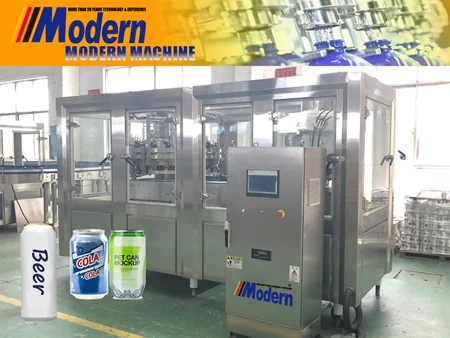
Aluminium can filling machines are designed for high-speed packaging of liquids such as beverages and food items into aluminium cans. The importance of these machines lies not only in their efficiency, but also in their ability to preserve the integrity and quality of the compositions being packaged. This critical function enhances product shelf life and ensures consumer satisfaction.
How Aluminium Can Filling Machines Work
The operation of aluminium can filling machines involves several essential steps, which are integral to achieving accurate and efficient filling. Below is a breakdown of the process:
1. Can Preparation
Before filling, the cans must be adequately cleaned and sterilized. Automated systems often incorporate rinsing stations, utilizing purified water or sanitizing solutions to ensure that contaminants do not compromise the product quality.
2. Filling Mechanism
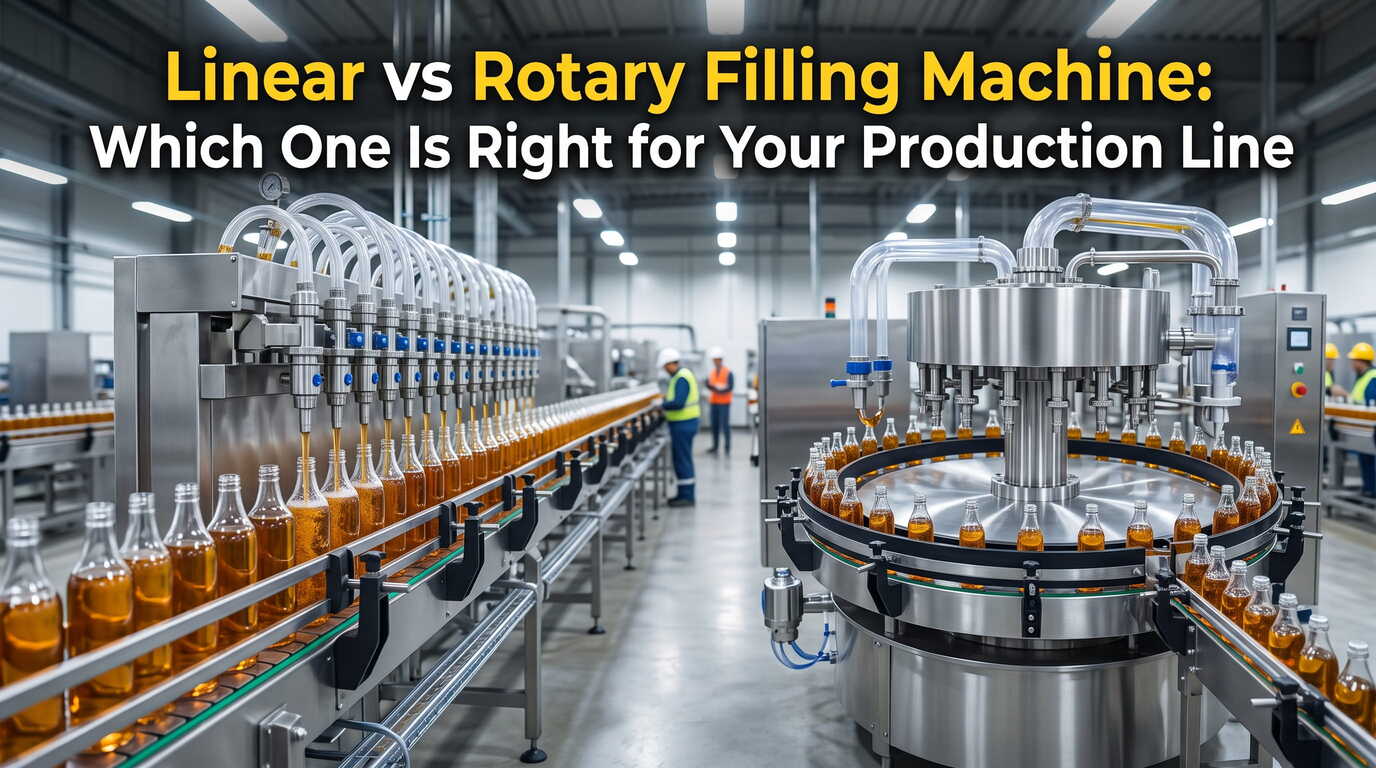
Once cleaned, the cans are conveyed to the filling station. Depending on the specific technology of the machine, various filling methods may be employed, including:
- Volumetric filling: This method uses a predetermined volume to fill each can, ensuring consistency across batches.
- Gravity filling: Liquids are dispensed by gravity, optimized for low-viscosity liquids.
- Pressure filling: This technique is ideal for carbonated beverages, using pressure to fill cans swiftly and prevent foam formation.
3. Sealing and Capping
After filling, the cans are transported to the sealing station where lids are applied securely. This critical step prevents leakage and maintains product freshness.
4. Quality Control
Modern filling machines often incorporate advanced quality control measures to detect errors in filling, such as under-filling or over-filling. Sensor technology can be employed to monitor the integrity of each can before final packaging.
Types of Aluminium Can Filling Machines
Aluminium can filling machines come in various types, each designed to meet specific production requirements. Understanding these types can aid businesses in selecting a machine that best suits their needs.
1. Semi-Automatic Filling Machines
These machines require manual intervention for certain tasks, such as can handling. They are ideal for small to medium-sized production runs and are typically more cost-effective.
2. Fully Automatic Filling Machines
These machines are designed for high-efficiency operations, with automation handling everything from can sorting to filling and sealing. They are suitable for high-volume production environments and offer reduced labor costs in the long term.
3. Compact Filling Machines
Ideal for small brewers or companies with limited space, compact filling machines offer versatility without sacrificing efficiency. They frequently integrate additional functions, such as carbonating or capping, within limited floor area.
Benefits of Using Aluminium Can Filling Machines
The adoption of aluminium can filling machines offers numerous advantages that can significantly impact a business’s operational efficiency and product quality.
1. Increased Efficiency
High-speed filling capabilities allow manufacturers to package a larger number of cans per hour, which can directly translate to higher output and profitability.
2. Consistency in Quality
Automated machines deliver critical benefits in terms of uniformity. With precise filling parameters, businesses can ensure that each can contains the intended volume, thus meeting regulatory standards and customer expectations.
3. Enhanced Product Protection
Aluminium cans provide an effective barrier against light and oxygen, extending the beverage’s shelf life. Filling machines that effectively seal cans ensure that the contents remain protected until they reach consumers.
4. Versatile Applications
Aluminium can filling machines can be utilized across a range of industries, including craft beverages, soft drinks, canned foods, and more, making them a flexible choice for many manufacturers.
Considerations for Selecting Aluminium Can Filling Machines
When choosing an aluminium can filling machine, there are several critical factors to consider to ensure that the right investment is made.
1. Production Volume
Assess your production goals and choose a machine that can meet or slightly exceed these aims to avoid bottlenecks as production scales up.
2. Type of Beverage
Different machines may be better suited for specific types of beverages. For instance, carbonated drinks require pressure filling systems, while non-carbonated liquids might do well with volumetric filling.
3. Budget Constraints
It is essential to have a clear understanding of your budget. While cheaper machines may offer immediate savings, investing in quality machinery can lead to reduced maintenance costs and breakdowns.
4. Maintenance and Support
Opt for equipment from manufacturers that provide reliable after-sales support and spare parts availability. Regular maintenance is crucial for ensuring long-term operational efficiency.
Future Trends in Aluminium Can Filling Technology
As technology continues to advance, the aluminium can filling industry is poised for several transformative changes:
1. Automation and IoT
The integration of Internet of Things (IoT) technology is set to revolutionize filling processes, enabling remote monitoring and optimization to increase uptime and productivity.
2. Sustainability Improvements
With rising environmental concerns, manufacturers are increasingly focusing on sustainable practices. Future aluminium can filling machines may include features that allow for the recycling of cans more efficiently.
3. Enhanced Precision and Flexibility
Advancements in sensor technology and machine learning will likely enhance precision and flexibility in filling processes, enabling quicker adjustments to changing product lines or formulations.
Conclusion
Aluminium can filling machines play a pivotal role in the beverage manufacturing landscape, providing essential functionality for preserving product quality while maximizing efficiency. By considering the various types of filling machines, their benefits, and the key factors in selecting the right equipment, businesses can position themselves for success in a competitive market.
As the industry evolves, staying informed about trends in technology and consumer demands will further empower manufacturers to make strategic decisions that enhance their operational capabilities and drive profitability.