As the global demand for clean and safe drinking water continues to rise, the importance of efficient water filling systems cannot be overstated. One of the most popular choices for both small and large-scale bottling operations is the 5 gallon water filling line. This article will guide you through the key aspects of 5 gallon water filling lines, including their designs, operation, benefits, and best practices for setup and maintenance.
Understanding 5 Gallon Water Filling Lines
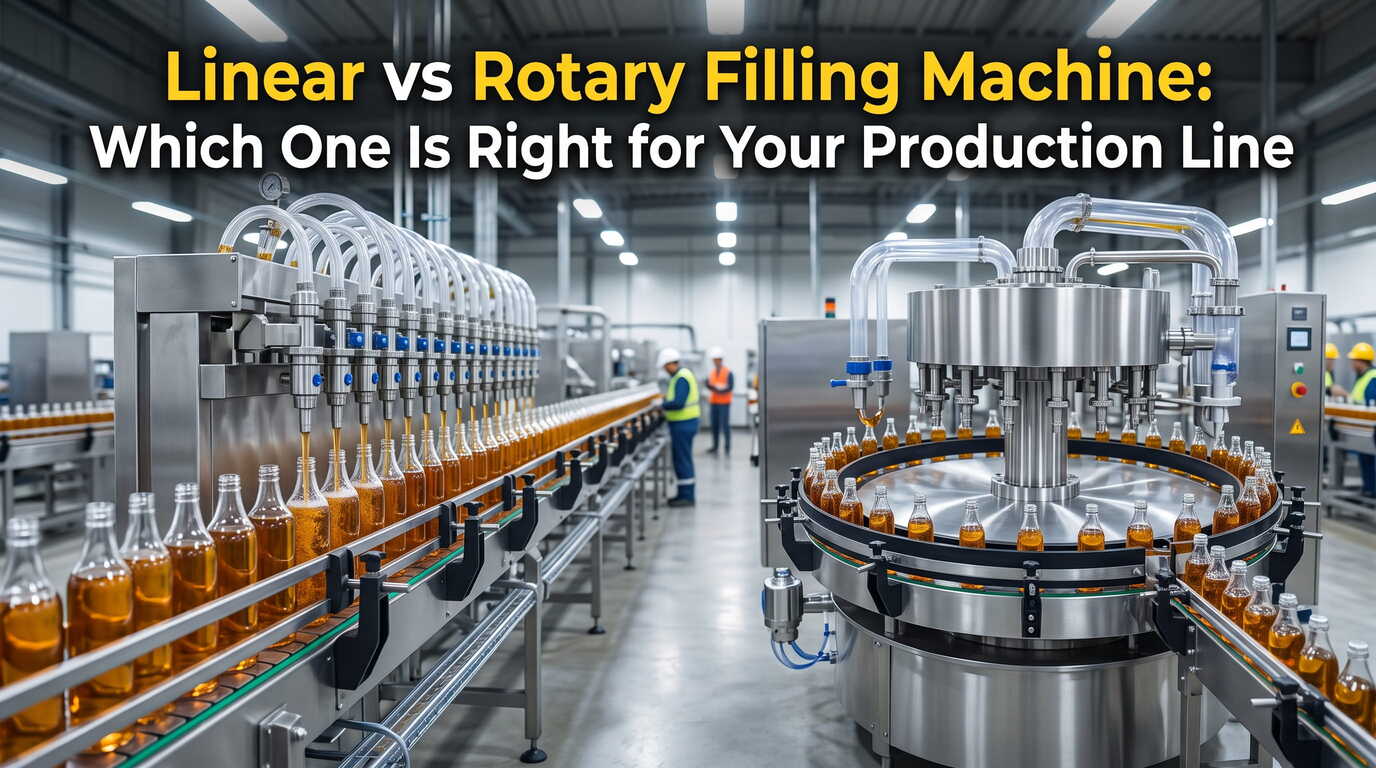
A 5 gallon water filling line is a specialized system designed to fill 5-gallon containers with purified water. This type of system caters to a variety of customers such as households, offices, and commercial establishments. The filling line typically involves several stages, including rinsing, filling, capping, and labeling. Each stage is crucial to ensuring that the final product is safe, clean, and ready for distribution.
Components of a 5 Gallon Water Filling Line
To efficiently process water filling, understanding the components of the line is essential. Here are the primary elements involved:
- Water Purification System: Before filling, water must be purified to remove unwanted contaminants. Common purification methods include reverse osmosis, UV sterilization, and ozone treatment.
- Rinsing Machine: This component rinses the empty bottles with purified water to remove dust and residual contaminants. Proper rinsing helps improve hygiene standards.
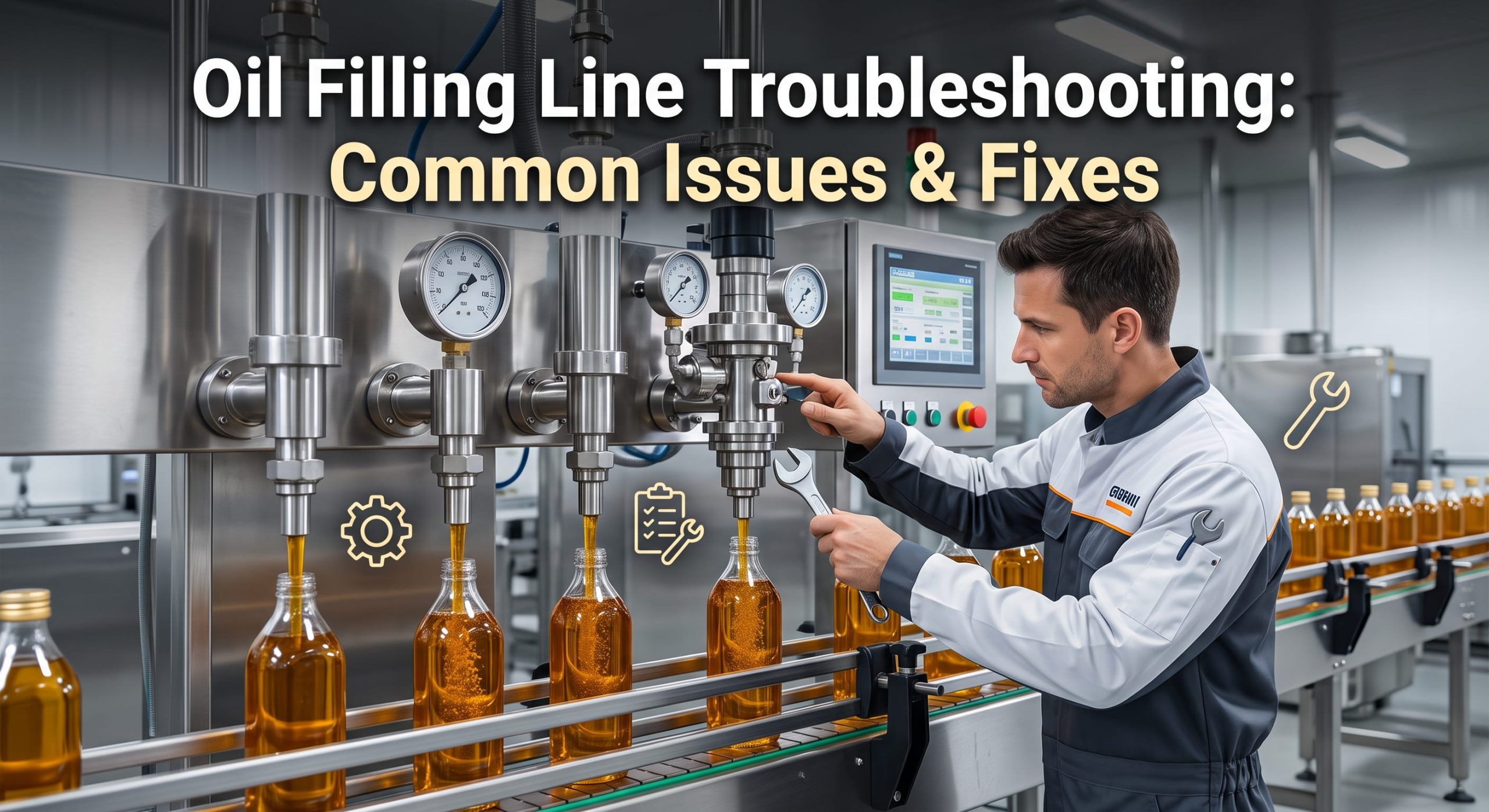
- Filling Machine: This machine fills the rinsed bottles with purified water. Precise control is necessary to avoid overfilling or underfilling.
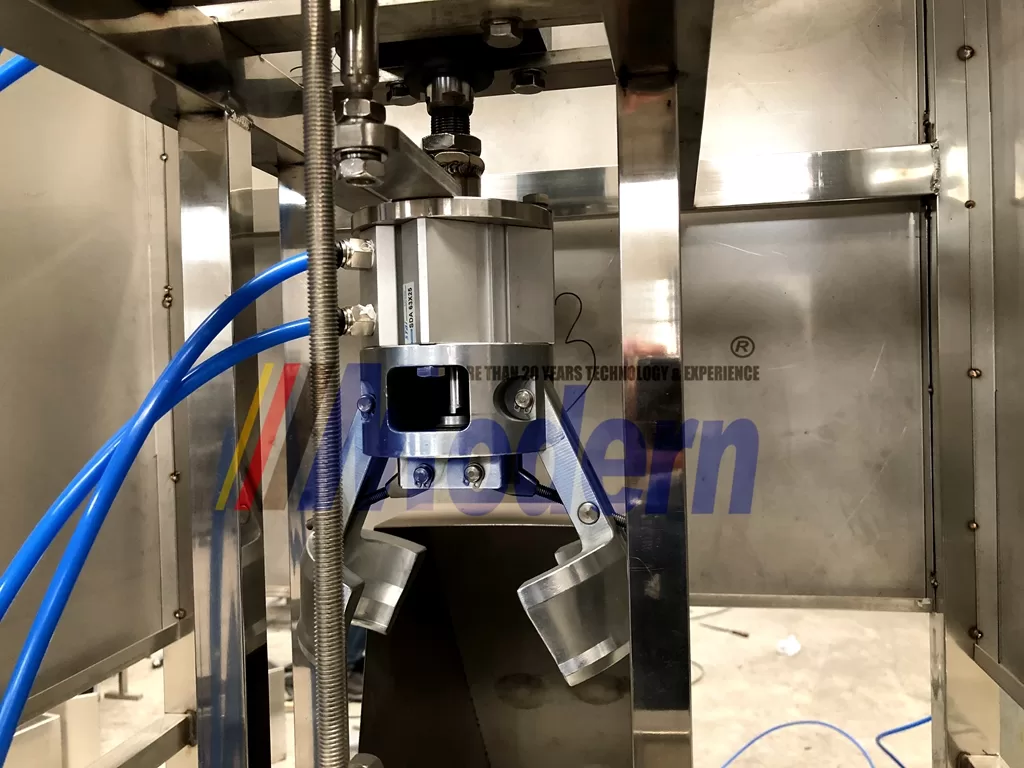
- Capping Machine: Once filled, the bottles need to be capped securely to prevent spillage and contamination during transportation.
- Labeling Machine: After capping, bottles often undergo labeling to provide important information, including brand, quality assurance, and expiration date.
Benefits of a 5 Gallon Water Filling Line
Investing in a 5 gallon water filling line comes with numerous advantages for businesses involved in the water bottling industry. Here are some of the key benefits:
1. Increased Efficiency
Automated filling lines significantly reduce the time and labor involved in the bottling process. With machines capable of filling multiple bottles per minute, production rates can be increased manifold, meeting customer demand more effectively.
2. Consistency and Quality Control
Automation ensures uniformity in filling, capping, and labeling, which maintains product quality and reduces human error. Such consistency is critical for brand reputation and customer satisfaction.
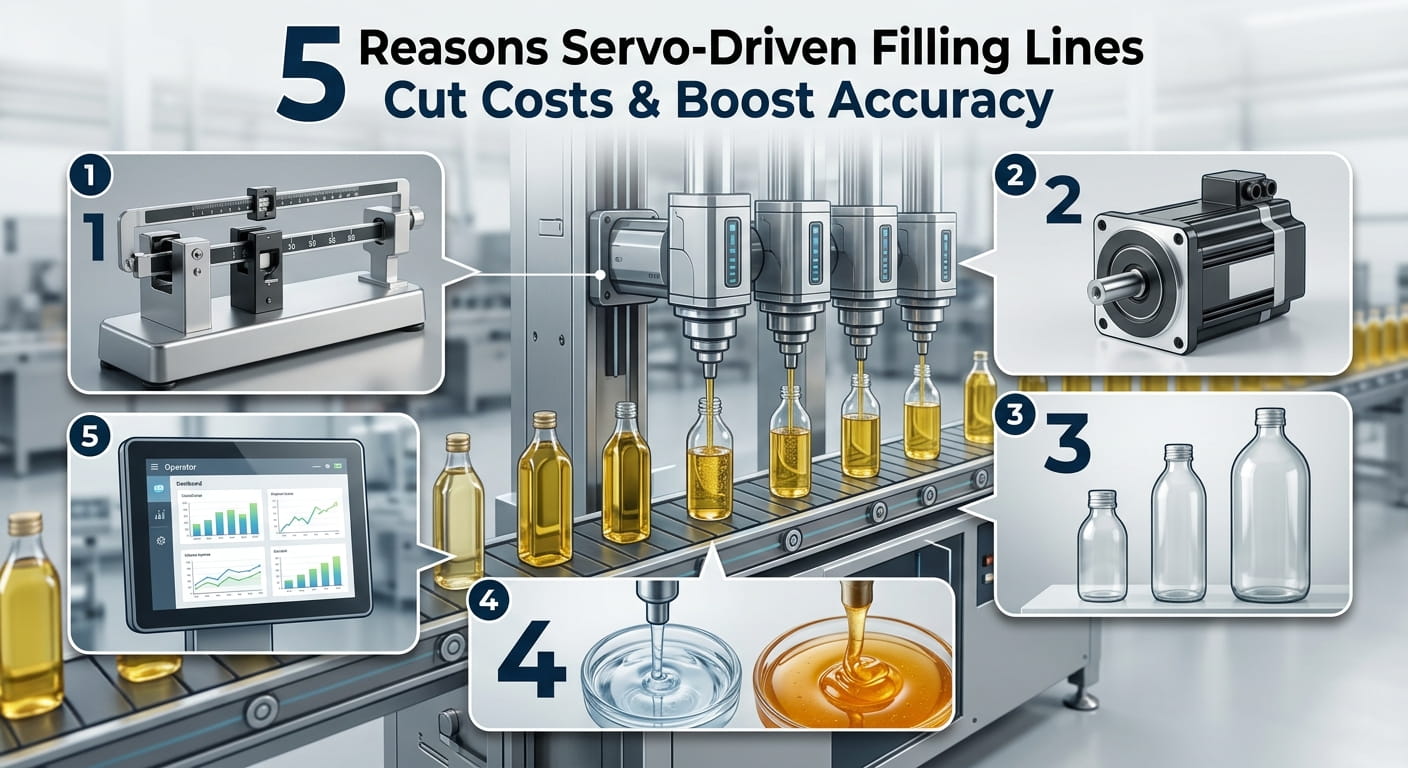
3. Cost-Effectiveness
While the initial investment in a water filling line may be substantial, the longer-term savings in labor costs and increased production efficiency often justify the expense. Additionally, automated systems minimize waste and reduce operational costs.
4. Flexibility and Scalability
5 gallon water filling lines are adaptable to various container types and sizes, allowing businesses to scale operations as needed. This flexibility helps companies respond to changes in market demand more swiftly.
Setting Up Your 5 Gallon Water Filling Line
Proper setup of a 5 gallon water filling line is critical for ensuring maximum efficiency and productivity. Here are some actionable steps to help you set up your line:
1. Conduct a Needs Assessment
Begin by analyzing your production requirements. Understand how many bottles you need to fill per day and the size of your facility. This information will help in selecting the appropriate machinery.
2. Choose the Right Equipment
Invest in high-quality filling machinery that fits your production scale. Look for modern features like automatic cleaning, touch-screen controls, and precise filling nozzles to enhance performance.
3. Design the Layout
Plan an efficient workflow by designing an optimal layout for your filling line. Ensure there is enough space for each machine, and keep the workflow linear – from rinsing to capping – to prevent bottlenecks.
4. Train Your Staff
Proper training is key to maximizing the efficacy of your filling line. Train your staff to operate each machine safely and understand best practices in maintenance and hygiene.
Maintenance and Hygiene Considerations
To ensure the longevity and smooth operation of your 5 gallon water filling line, regular maintenance and hygiene practices are essential.
1. Regular Cleaning
Before starting daily operations, ensure that all machines are cleaned thoroughly to avoid contamination. Use appropriate detergents and follow the manufacturer’s cleaning guidelines.
2. Scheduled Maintenance
Establish a maintenance schedule for the machinery based on usage and manufacturer’s recommendations. Regular inspections and servicing can help identify issues early, preventing costly downtime.
3. Monitoring Water Quality
Regular testing and monitoring of water quality are vital. This not only helps in maintaining safety standards but also reassures customers about the reliability of your product.
Future Trends in Water Filling Technology
The bottled water industry is continually evolving, and it’s essential to stay informed about emerging trends that could impact your operations.
1. Eco-Friendly Packaging
As environmental concerns grow, businesses are looking into biodegradable and recyclable packaging solutions. Incorporating sustainable practices can attract eco-conscious consumers.
2. Smart Technology Integration
Advancements in IoT (Internet of Things) technology allow manufacturers to monitor their filling lines remotely. This integration can enhance operational efficiency and facilitate real-time decision-making.
3. Customized Solutions
As consumer preferences shift, companies may opt for customizable water products (e.g., flavored or vitamin-enhanced). Investing in adaptable filling technology can help meet this emerging demand.
Conclusion
A 5 gallon water filling line represents a significant investment for any company looking to enter the bottled water market or expand its production capabilities. By understanding its components, benefits, setup strategies, maintenance practices, and future trends, businesses can create a sustainable and efficient operation. Ultimately, a well-implemented water filling line can not only fulfill the critical need for clean drinking water but also serve as a profitable venture in an ever-expanding market.