
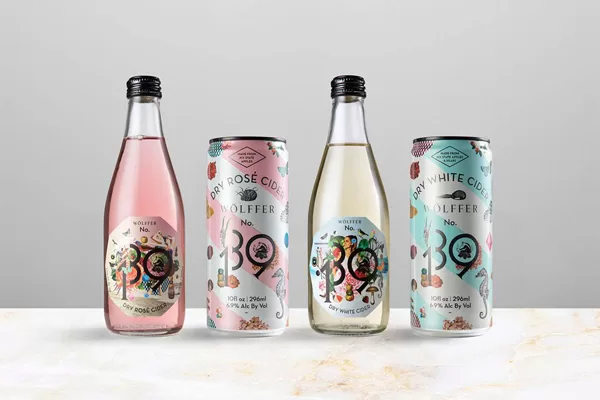
The beverage industry is a dynamic field characterized by the rapid growth of consumer demands, technological advancements, and evolving market trends. At the heart of this industry lies the beverage bottling line, a pivotal production system that transforms raw liquids into saleable products. This article serves as a comprehensive guide to the beverage bottling line, offering insights into its components, processes, and best practices to enhance operational efficiency.
Understanding the Beverage Bottling Line
A beverage bottling line is a systematic arrangement of machinery and equipment dedicated to filling, sealing, labeling, and packaging beverages. This assembly line is crucial for maintaining the quality and safety of beverages, including soft drinks, juices, bottled water, alcoholic drinks, and dairy beverages. Understanding its components is essential for businesses involved in beverage production.
Key Components of a Bottling Line
The beverage bottling process is typically comprised of several key stages, each facilitated by specific equipment:
- Preparation Stage: This involves the initial stages where raw materials are processed. This can include water purification for juices and soft drinks or fermentation systems for alcoholic beverages.
- Filling Machine: After preparation, the next stage involves the filling machine, designed to dispense the beverage into bottles or cans. Different technologies like gravity fill, pressure fill, or vacuum fill are employed depending on the product type.
- Capping Machine: Following the filling process, the bottles are sealed using capping machines that ensure the integrity and freshness of the beverages.
- Labeling Machine: As products move down the bottling line, they are labeled using automatic labeling machines that apply adhesive labels with essential product information, such as ingredients, nutritional value, and best-before dates.
- Packaging and Palletizing: The final stage involves packaging filled and labeled products into cartons or cases followed by palletizing for distribution.
Types of Beverage Bottling Lines
There are various types of beverage bottling lines adapted to different beverage categories. Here are some prevalent types:
1. Carbonated Beverage Bottling Lines
This type is specifically designed for fizzy drinks such as sodas. Carbonated beverage bottling lines integrate features like pressure filling to account for the carbonation in beverages, thus ensuring quality and preventing foaming during the filling process.
2. Non-Carbonated Beverage Bottling Lines
Products such as juices and teas fall under this category. These lines prioritize ensuring high hygiene standards since juices, for instance, are prone to microbial spoiling. Technologies like hot filling or aseptic filling are often utilized.
3. Alcoholic Beverage Bottling Lines
With the booming craft beverage market, specialized bottling lines for beers, wines, and spirits have emerged. These lines often include unique equipment such as bottle rinsers and specialized filling machines to accommodate different bottle types and sizes.
4. Dairy Beverage Bottling Lines
Dairy products like milk and yogurt require stringent temperature control and hygiene measures during bottling. Lines for dairy beverages are designed to ensure sterility and maintain a cold chain throughout the process.
Factors Influencing the Selection of a Bottling Line
Choosing the right bottling line is a critical decision that can significantly impact product quality and operational efficiency. Here are some factors to consider:
1. Product Type and Characteristics
The nature of the beverage dictates the bottling method and equipment required. Consider whether the beverage is carbonated or non-carbonated, perishable or shelf-stable, and how sensitive it is to environmental factors like light and temperature.
2. Production Volume
The scale of production is a key determinant in selecting a bottling line. Small-scale producers may opt for semi-automated lines to maintain flexibility and reduce capital investment, while large manufacturers are more inclined to invest in fully automated high-speed bottling lines.
3. Budget Constraints
Financial resources will play a significant role in selecting the bottling equipment. It is essential to strike a balance between advanced automation features and the rate of return on investment. A bottling line that’s too complex can hinder operational efficiency if employees lack sufficient training.
4. Technological Advancements
Keeping abreast of the latest technology trends is crucial in the beverage industry. Features like IoT integration, AI-driven quality control, and advanced monitoring systems can optimize production processes and minimize downtime.
Best Practices for Optimizing Beverage Bottling Operations
Once a bottling line is established, maximizing its efficiency becomes paramount. Here are several best practices to consider:
1. Regular Maintenance and Cleaning
Routine maintenance of bottling line equipment ensures longevity and optimal performance. Implement a scheduled cleaning regimen to prevent cross-contamination and ensure the highest product quality.
2. Employee Training and Engagement
Staff training should be prioritized to promote effective operation of bottling equipment. Train employees on machine operation, quality assurance checks, and immediate troubleshooting of minor issues as they arise.
3. Quality Control Measures
Integrate quality control checkpoints throughout the bottling process. Regular testing for fill levels, seal integrity, and labeling accuracy can help prevent costly recalls and reputational damage.
4. Data-Driven Decisions
Leverage data analytics tools to monitor production metrics, machine performance, and quality levels. Analyzing real-time data will empower managers to make informed decisions that enhance efficiency and productivity.
Future Trends in Beverage Bottling
The beverage bottling landscape is rapidly evolving, influenced by trends in consumer preferences, technology, and sustainability goals. Some prominent trends to watch include:
1. Sustainability Initiatives
Consumers are increasingly gravitating towards sustainable products. This has urged manufacturers to adopt eco-friendly packaging solutions, eliminate plastic use, and implement energy-efficient practices in their bottling operations.
2. Automation and Smart Technologies
The rise of automation in bottling lines aims to streamline processes and reduce human error. Future bottling lines are likely to incorporate smart sensors and AI technologies that enhance accuracy and efficiency.
3. Customization and Flexibility
As the demand for personalized beverages grows, bottling lines will need to adapt by enabling small batch production and product variations without compromising efficiency.
Conclusion
The beverage bottling line is a cornerstone of the beverage production process, demanding a careful balance between technology, operational strategy, and market trends. By understanding its components, recognizing best practices, and adapting to future trends, beverage producers can enhance their operational efficiencies, uphold product quality, and meet the ever-changing demands of consumers. The journey of a successful beverage brand begins with an effective bottling line, and investing in its optimization can yield substantial returns in both productivity and consumer satisfaction.


