
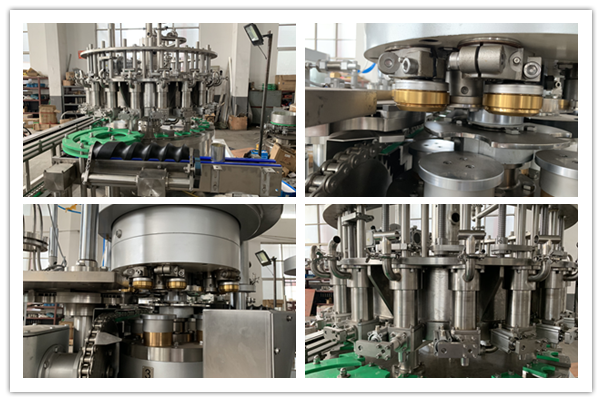
In the ever-evolving landscape of the wine industry, efficiency and precision are paramount. A crucial aspect of wine production is the bottling process, where customized wine filling machines play a significant role. These specialized machines are designed to meet the diverse needs of wineries, ranging from small-scale operations to large wineries, by offering tailored solutions for the bottling process. As the demand for high-quality wine continues to rise globally, understanding the advantages and features of these machines becomes essential for producers seeking to enhance their operational capabilities.
Understanding Customized Wine Filling Machines
Customized wine filling machines are designed to bottle wine efficiently while maintaining the quality and integrity of the product. Unlike standard machines, these customized solutions can be adapted to meet specific requirements, such as bottle size, filling volume, and types of closures used. These machines often incorporate advanced technology to improve accuracy, reduce waste, and optimize the filling process.
The Importance of Customization
The wine industry is not monolithic; it comprises various producers, each with unique products and operational needs. Customization in wine filling machines allows producers to tailor their equipment to align with their production goals. For instance, a boutique winery may require a machine capable of handling small batch production with precise filling levels, while a large-scale winery may need a high-speed filling line that can accommodate different bottle sizes and shapes.
Key Features of Customized Wine Filling Machines
When considering the acquisition of a customized wine filling machine, various features should be evaluated to ensure they meet the operational needs of a winery. Below are some essential features that enhance the functionality and efficiency of these machines:
1. Adjustable Filling Volumes
One of the fundamental features of customized filling machines is the ability to adjust filling volumes according to specific requirements. This is particularly beneficial for wineries that produce varying bottle sizes or want to offer different wine labels in diverse volumes without sacrificing quality.
2. Seamless Integration with Other Equipment
A customized wine filling machine can be designed to seamlessly integrate with existing bottling lines, including labeling and capping machines. This integration is crucial for ensuring a continuous flow in the production process and minimizing downtime during transitions.
3. Advanced Accuracy and Precision
Precision filling systems are vital for maintaining product quality. Many customized filling machines utilize advanced sensors and controls that ensure exact fill levels, thereby maintaining consistency across batches. This accuracy not only reduces waste but also enhances customer satisfaction by delivering products that meet expectations.
4. User-Friendly Interfaces
Modern customized filling machines are equipped with intuitive user interfaces, allowing operators to monitor and control various parameters effortlessly. This feature leads to increased productivity, as staff can quickly adapt to changes in production without extensive training.
5. Hygienic Design
Given the regulatory standards in food and beverage industries, customized wine filling machines are often designed with hygiene in mind. Features such as easy disassembly for cleaning, non-porous surfaces, and stainless-steel components help maintain sanitation during the bottling process, safeguarding the product’s integrity.
Operational Advantages of Customized Wine Filling Machines
Investing in customized wine filling machines translates into various operational advantages for wineries. Here are several key benefits:
1. Enhanced Efficiency
Customized machines are engineered to optimize the bottling process, which significantly boosts overall efficiency. By minimizing bottleneck occurrences and enhancing speed without compromising quality, wineries can increase their production capacities and meet market demands effectively.
2. Cost-Effectiveness
While the initial investment in customized filling machines may be significant, the long-term cost savings gained through reduced waste, energy efficiency, and increased throughput can be substantial. Efficient filling processes reduce the overall operational costs, which is especially important as profit margins in the wine industry can be tight.
3. Flexibility to Meet Market Trends
The wine market is dynamic and subject to changing consumer preferences. Having a customized filling machine allows wineries the flexibility to adapt to market trends, such as shifts toward eco-friendly packaging or the introduction of new product lines without requiring extensive adjustments to their production lines.
4. Improved Product Quality
Quality is paramount in producing wine, and customized filling machines can significantly enhance product quality through precise filling and minimized exposure to oxygen during the bottling process. This careful handling helps preserve flavor and aroma, leading to a superior final product.
Factors to Consider When Choosing Customized Wine Filling Machines
When selecting a customized wine filling machine, it is essential to consider several factors to ensure that the equipment aligns with your operational needs:
1. Production Capacity
Evaluate your winery’s production needs and choose a machine that can handle the desired volume without overexerting its capabilities. Consider both current and future requirements to avoid the need for additional investments in the near term.
2. Type of Wine Bottles
The design of your bottles can impact your choice of filling machine. Ensure that the machine can accommodate the types and sizes of bottles that your winery produces, whether standard glass bottles, cans, or even unique designs.
3. Budget Constraints
While investing in customized equipment can offer significant returns, it is vital to make choices that align with your budget. Assess the total cost of ownership, including maintenance and operational expenses, to ensure that your investment is sustainable.
4. Support and Maintenance Services
Consider the level of customer support and maintenance services provided by the manufacturer. A responsive support team can be invaluable, especially during initial installation and for ongoing operational issues.
5. Technology Integration
Assess whether the machine can integrate with existing software systems used for inventory management and production monitoring. This capability ensures that all aspects of your winery operations stay cohesive and streamlined.
Conclusion
In conclusion, customized wine filling machines represent a vital investment for wineries looking to optimize their bottling processes. By understanding the features, operational advantages, and factors to consider when selecting the right machine, wineries can enhance their production capabilities, maintain product quality, and, ultimately, satisfy consumer demands. As the wine industry continues to grow, embracing innovations in equipment, such as customized filling machines, will ensure that producers remain competitive in this vibrant market.


