
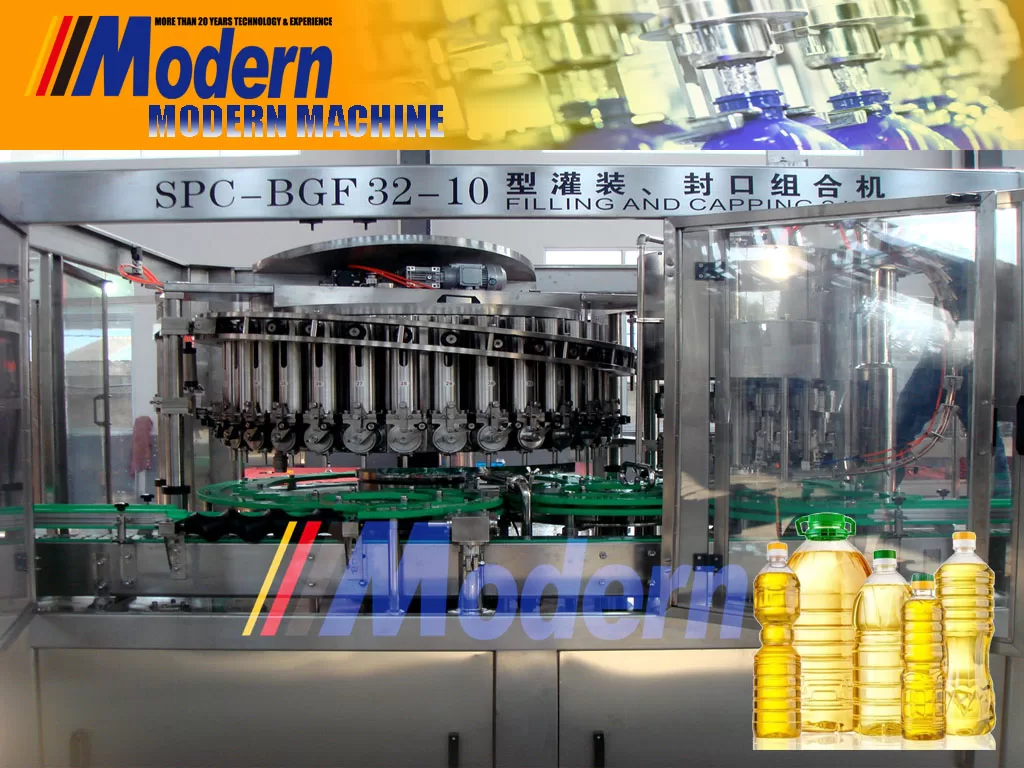
Edible oil filling machines play a crucial role in the food and beverage industry, ensuring efficient packaging and distribution of edible oils. However, working with edible oils also poses specific safety risks that manufacturers and operators must be aware of. Adhering to safety standards is paramount to prevent accidents, ensure product quality, and protect both consumers and workers. In this article, we will explore key safety standards that apply to edible oil filling machines, along with practical tips to enhance safety in your operations.
Understanding the Risks
Before delving into safety standards, it is essential to understand the potential risks associated with edible oil filling machines. These machines typically handle flammable liquids, operate at high temperatures, and involve complex machinery. Therefore, the following risks must be considered:
- Fire hazards due to the flammability of edible oils
- Potential for burns and injuries from hot surfaces and moving parts
- Risk of electric shock in the presence of liquids
- Possibility of chemical exposure from oil spillage
Compliance with Safety Standards
Manufacturers and operators of edible oil filling machines must adhere to stringent safety standards to minimize these risks and ensure a safe working environment. Some key safety standards that should be followed include:
1. OSHA Guidelines
The Occupational Safety and Health Administration (OSHA) provides comprehensive guidelines for ensuring workplace safety. Operators of filling machines should be trained on OSHA regulations specific to the food industry, including proper machine operation, emergency procedures, and personal protective equipment (PPE) usage.
2. NFPA Standards
The National Fire Protection Association (NFPA) publishes standards related to fire safety in industrial settings. Compliance with NFPA standards, particularly those related to flammable liquids like edible oils, is essential to prevent fire hazards in filling operations.
3. Electrical Safety Standards
Edible oil filling machines often involve electrical components that must meet specific safety standards to prevent hazards such as electric shocks or short circuits. Regular inspection and maintenance of electrical systems are critical to ensuring safety.
4. Quality Control Measures
Implementing stringent quality control measures in filling operations can help identify potential safety risks early on. Regular monitoring of equipment, leak detection systems, and adherence to proper filling protocols are essential components of a comprehensive safety program.
Practical Safety Tips
In addition to following safety standards, implementing practical safety tips can further enhance the safety of edible oil filling operations. Here are some actionable tips to consider:
1. Proper Training
Ensure that all operators receive thorough training on machine operation, safety protocols, and emergency procedures. Regular refresher training sessions can help reinforce best practices and promote a safety-conscious culture.
2. Personal Protective Equipment (PPE)
Mandate the use of appropriate PPE, such as gloves, eye protection, and non-slip footwear, to minimize the risk of injuries during operation. Providing easy access to PPE and enforcing its usage can significantly enhance worker safety.
3. Emergency Response Plan
Develop and communicate a detailed emergency response plan that includes procedures for containment of spills, evacuation protocols, and communication channels during emergencies. Regular drills and simulations can help ensure a swift and effective response in crisis situations.
4. Equipment Maintenance
Establish a regular maintenance schedule for filling machines to prevent mechanical failures and reduce the risk of accidents. Routine inspections, lubrication of moving parts, and calibration of equipment are essential maintenance tasks to prioritize.
Conclusion
Adhering to safety standards and implementing practical safety measures in edible oil filling operations are essential to protect workers, maintain product quality, and prevent accidents. By understanding the risks involved, complying with industry standards, and prioritizing safety protocols, manufacturers and operators can create a secure working environment and ensure the smooth functioning of filling operations. Safety should always be a top priority in the food and beverage industry, and proactive measures can go a long way in safeguarding both people and products.


