
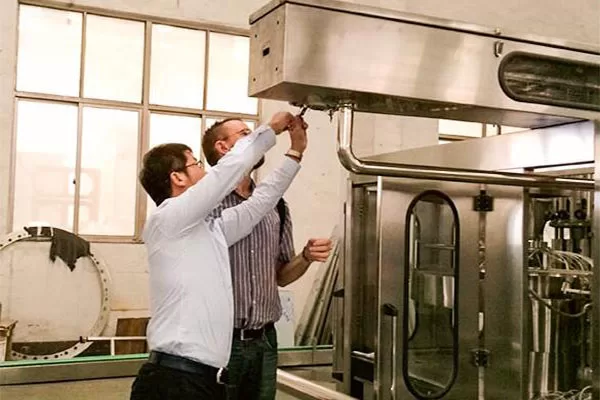
In today’s market, the demand for bottled water continues to rise, making the production process increasingly relevant. The PET (Polyethylene Terephthalate) Bottled Water Production Line is a complex and critical process that requires meticulous attention to detail to ensure the highest quality of finished products. This article will delve into the step-by-step process involved in setting up and operating a PET Bottled Water Production Line, covering everything from raw material selection to final packaging.
Understanding the PET Bottled Water Production Line
The production line for PET bottled water involves several stages, each crucial to the overall quality and efficiency of the process. Understanding these steps is essential for successful operation:
Step 1: Raw Material Selection
The first step in setting up a PET Bottled Water Production Line is selecting high-quality raw materials. This includes sourcing food-grade PET plastic resin, which is the primary material used to manufacture the bottles. Additionally, ensuring that the water used in the production process meets the necessary quality standards is vital for the final product’s integrity.
Step 2: Preform Production
Once the raw materials are secured, the next step involves producing preforms. Preforms are small plastic bottles that serve as the starting point for the bottle-forming process. These preforms are produced through injection molding machines, where the PET resin is heated and shaped into the desired form.
Step 3: Bottle Blowing
After the preforms are ready, the bottle-blowing stage begins. This process involves heating the preforms and using a blow molding machine to shape them into the final bottle form. The bottles are cooled and trimmed to achieve the desired shape and size.
Step 4: Filling and Capping
Once the bottles are formed, they move on to the filling and capping stage. Here, the bottles are filled with purified water through automated filling machines. The bottles are then sealed with caps, ensuring the product remains safe and secure until consumption.
Step 5: Labeling and Packaging
After the bottles are filled and sealed, they undergo labeling and packaging. Labels with brand information, nutritional facts, and other essential details are applied to the bottles. The bottles are then packaged in cases or trays for distribution and retail.
Key Considerations in PET Bottled Water Production
Operating a PET Bottled Water Production Line requires attention to various critical factors to ensure efficiency and product quality:
Quality Control
Implementing robust quality control measures throughout the production process is essential. Regular testing of raw materials, in-process samples, and finished products helps maintain consistency and adherence to industry standards.
Equipment Maintenance
Proper maintenance of machinery and equipment is crucial for smooth operation. Regular inspections, cleaning, and servicing help prevent downtime and ensure optimal performance of the production line.
Sustainability Practices
Adopting sustainable practices in production, such as recycling water, optimizing energy usage, and minimizing waste generation, not only reduces environmental impact but also contributes to cost savings in the long run.
Compliance with Regulations
Staying updated on industry regulations and standards is vital for compliance and consumer trust. Ensuring that the production line meets all safety and quality requirements is key to a successful operation.
Future Trends in PET Bottled Water Production
The bottled water industry is constantly evolving, driven by changing consumer preferences and technological advancements. Some future trends to watch out for in PET Bottled Water Production include:
Smart Packaging Solutions
Integration of smart packaging technologies, such as QR codes for traceability and freshness indicators, is gaining traction. These innovations enhance consumer engagement and improve product transparency.
Sustainable Packaging Alternatives
With a growing focus on sustainability, there is a rising demand for eco-friendly packaging solutions. Biodegradable PET materials and innovative recycling processes are being explored to reduce environmental impact.
Automation and Industry 4.0
The adoption of automation and digitalization technologies, as part of Industry 4.0 initiatives, is revolutionizing production processes. Robotics, AI-driven systems, and data analytics are enhancing efficiency and operational capabilities.
Conclusion
In conclusion, setting up and operating a PET Bottled Water Production Line requires a comprehensive understanding of the process and a commitment to quality and efficiency. By following the step-by-step guidelines outlined in this article and keeping abreast of industry trends, manufacturers can stay competitive and meet the evolving needs of consumers in the bottled water market.


