
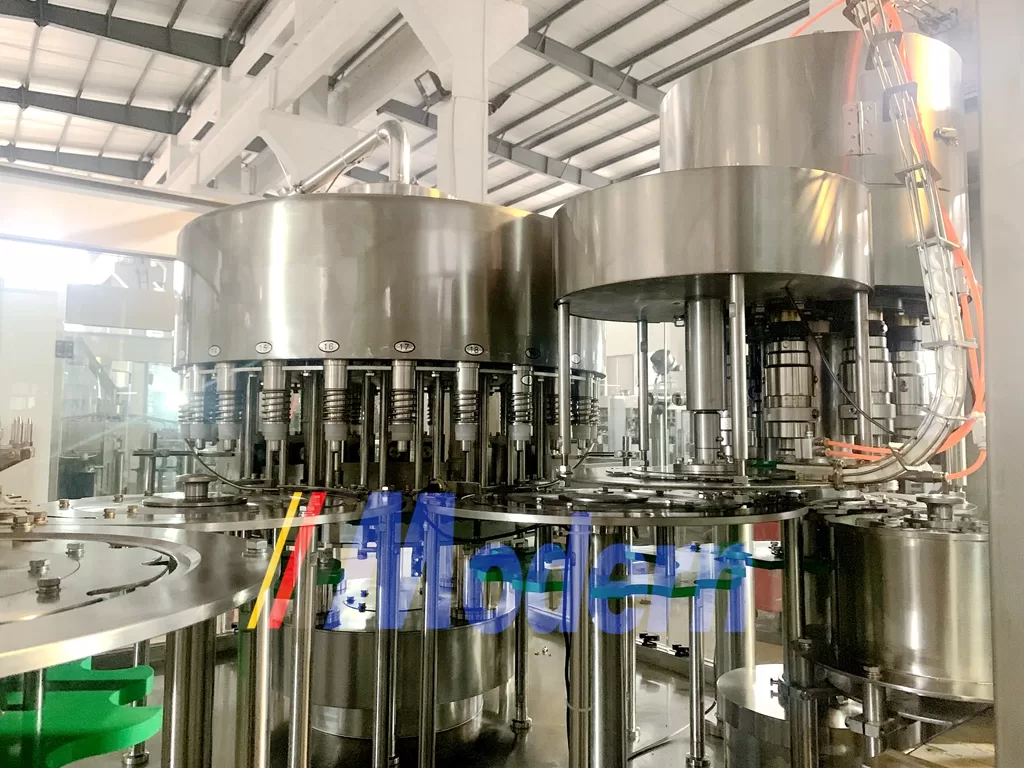
PET bottle blow molding is a crucial process in the manufacturing of various types of bottles used for packaging food, beverages, personal care products, and more. Understanding the intricacies of this process is essential for optimizing production and ensuring the quality of the final product. In this comprehensive guide, we will delve into the PET bottle blow molding process, exploring its various stages, key considerations, and best practices.
The Basics of PET Bottle Blow Molding
PET (Polyethylene Terephthalate) is a widely used thermoplastic polymer in the packaging industry due to its excellent strength, transparency, and recyclability. The blow molding process involves heating PET resin to a molten state and then shaping it into a hollow form using compressed air. This process allows for the production of bottles with a wide range of shapes, sizes, and functionalities.
Stages of PET Bottle Blow Molding
The PET bottle blow molding process typically consists of the following stages:
1. Preform Injection Molding
The first step involves the injection molding of preforms, which are small, tube-like structures with a specific neck finish and thread design. These preforms serve as the starting point for the blow molding process.
2. Preform Heating
Next, the preforms are heated in a reheat stretch blow molding machine to soften them and make them malleable for the stretching and blowing process.
3. Stretching and Blowing
Once the preforms reach the desired temperature, they are transferred to the blow molding station, where they are stretched and blown into the desired bottle shape using compressed air.
4. Cooling and Ejection
After the stretching and blowing process is complete, the newly formed bottles are cooled to set their shape and then ejected from the mold for further processing.
Key Considerations in PET Bottle Blow Molding
Several factors play a crucial role in ensuring the success of the PET bottle blow molding process:
1. Material Quality
Using high-quality PET resin is essential for producing durable and visually appealing bottles. The resin should have the right viscosity, melt flow index, and thermal stability for optimal processing.
2. Machine Calibration
Proper calibration of the blow molding machine is crucial for achieving consistent wall thickness, bottle dimensions, and overall quality. Regular maintenance and adjustment of machine parameters are necessary to avoid defects.
3. Mold Design
The design of the mold directly impacts the final bottle shape, size, and features. Ensuring the mold is well-designed and properly maintained is essential for producing bottles that meet specific requirements.
4. Process Control
Monitoring and controlling key process parameters such as temperature, pressure, and cycle time is vital for maintaining product consistency and minimizing defects. Automated systems can help achieve precise control over the production process.
Best Practices for PET Bottle Blow Molding
To optimize the PET bottle blow molding process and enhance efficiency, consider the following best practices:
1. Conduct Regular Quality Checks
Implement a quality control system to conduct regular checks on raw materials, preforms, and finished bottles. Identifying and addressing issues early can prevent production delays and quality issues.
2. Optimize Energy Usage
Explore energy-efficient solutions such as infrared heating systems and optimized cooling processes to reduce energy consumption and production costs while maintaining quality standards.
3. Invest in Training
Provide comprehensive training to machine operators and production staff to ensure they understand the intricacies of the blow molding process and can troubleshoot common issues effectively.
4. Embrace Automation
Consider integrating automation technologies such as robotic handling systems and quality control sensors to streamline production, enhance productivity, and minimize human error.
Conclusion
The PET bottle blow molding process is a complex yet essential manufacturing technique that underpins the production of a wide range of packaging solutions. By understanding the key stages, considerations, and best practices outlined in this guide, manufacturers can optimize their production processes, improve product quality, and stay competitive in the market. Continuous innovation and a commitment to quality are key to success in the dynamic world of PET bottle blow molding.


