
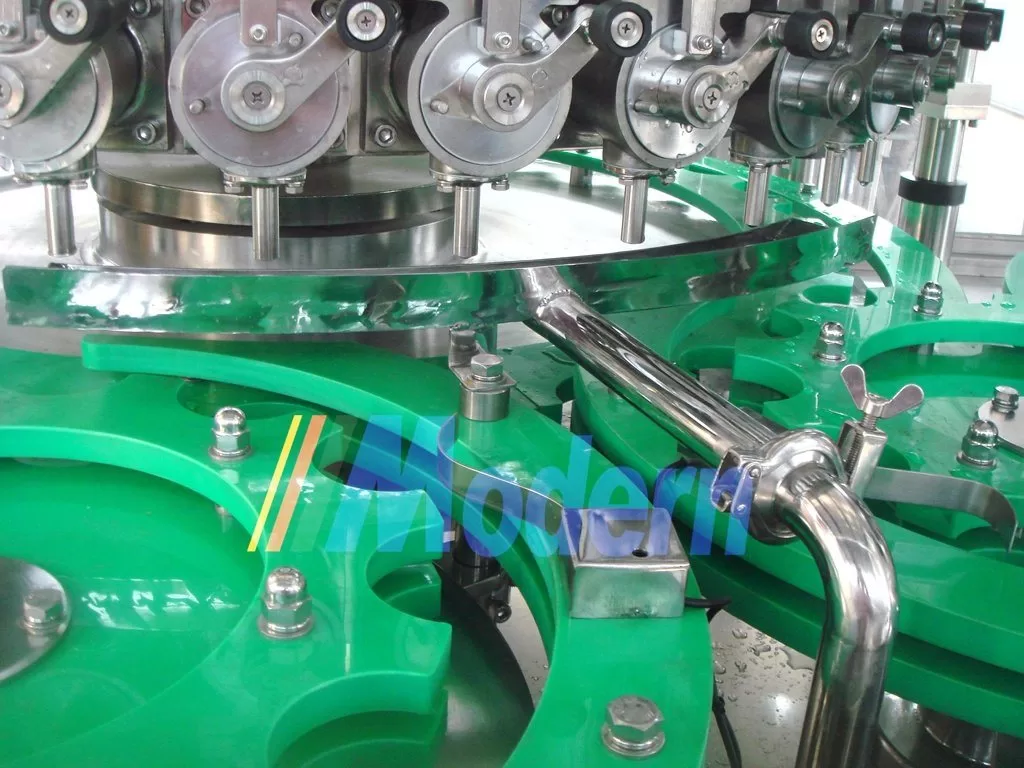
Oil filling machines are crucial equipment in various industries, especially in the oil and lubricant sector. Proper maintenance of oil filling machines is essential to ensure their smooth operation, increase efficiency, and prolong their lifespan. In this article, we will provide you with practical tips and insights on how to effectively maintain your oil filling machine.
Regular Inspection and Cleaning
Regular inspection and cleaning of the oil filling machine are paramount to prevent any build-up of dust, debris, or residue. Make sure to inspect all components, including nozzles, valves, pipes, and sensors, and clean them thoroughly. This will help prevent clogging and ensure accurate filling.
Lubrication of Moving Parts
Proper lubrication of moving parts such as conveyors, pistons, and pumps is essential to reduce friction and wear. Regularly check the lubrication levels and make sure to use the recommended lubricants. Over or under-lubrication can lead to malfunctions and decrease the machine’s performance.
Calibration and Testing
Regular calibration of the oil filling machine is necessary to ensure accurate filling volumes. Perform routine testing using calibrated measurement equipment to verify the machine’s accuracy. Re-calibrate if necessary to maintain precision and consistency in filling operations.
Check for Leaks and Seals
Inspect all seals, gaskets, and connections for any signs of leaks or damage. Even small leaks can result in product wastage and contamination. Replace any worn-out seals or gaskets promptly to avoid potential issues during the filling process.
Training and Operator Guidelines
Provide comprehensive training to operators on the proper use and maintenance of the oil filling machine. Ensure that operators follow guidelines for operation, cleaning, and troubleshooting. Regularly review and update the training materials to keep operators informed of best practices.
Emergency Preparedness
Have a contingency plan in place for unexpected breakdowns or emergencies. Maintain a supply of essential spare parts and tools to address common issues quickly. Conduct regular safety checks and drills to ensure operators are prepared to handle emergency situations effectively.
Record-Keeping and Documentation
Maintain detailed records of maintenance activities, repairs, and inspections for the oil filling machine. Keep track of any issues encountered and the solutions implemented. This documentation will help identify recurring problems and track the overall performance of the machine over time.
Consultation with Experts
Seek advice from industry experts or maintenance professionals for specialized maintenance tasks or in-depth troubleshooting. Regular consultation can provide valuable insights and guidance on optimizing the performance of your oil filling machine and addressing complex issues.
Conclusion
Proper maintenance of oil filling machines is essential for ensuring efficient and reliable operation in various industries. By following these maintenance tips and best practices, you can extend the lifespan of your oil filling machine, improve productivity, and minimize downtime. Remember, regular inspection, cleaning, lubrication, calibration, and operator training are key components of effective maintenance. Stay proactive in addressing maintenance needs to maximize the performance of your oil filling machine.


