
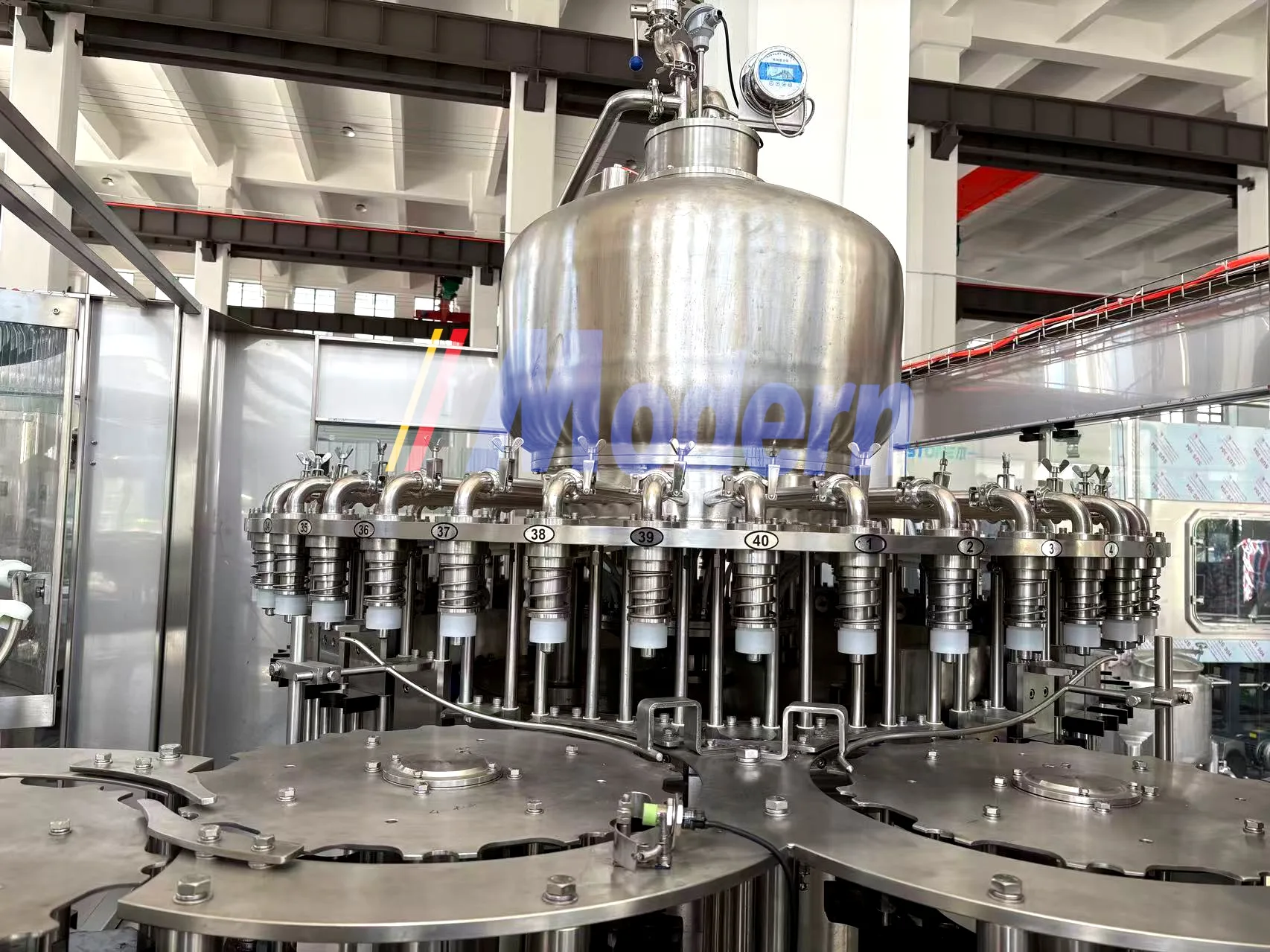
Introduction to Quality Assurance in Beverage Production
Quality control plays a pivotal role in ensuring the production of safe and delicious beverages, such as juices and carbonated drinks. In the competitive landscape of the beverage industry, maintaining high-quality standards is essential for brand reputation, consumer trust, and regulatory compliance. This article delves into the key quality checks involved in the production of juices and carbonated drinks and their significance.
The Importance of Key Quality Checks in Beverage Production
Implementing stringent quality checks during the production process offers numerous benefits to beverage manufacturers:
- Ensuring product safety and compliance with food regulations
- Consistency in taste, flavor, and color
- Enhanced shelf life and preservation of nutritional value
- Minimization of wastage and production costs
Types of Key Quality Checks in Juice and Carbonated Drink Production
1. Raw Material Inspection:
Quality starts with the raw materials. Suppliers should provide ingredients that meet specified quality standards to maintain consistency in the final product.
2. Microbiological Testing:
Regular testing for microbial contamination ensures the safety and shelf stability of beverages throughout the production process.
3. Sensory Evaluation:
Trained sensory panels assess the organoleptic properties of beverages, including taste, aroma, and appearance, to maintain product consistency and consumer satisfaction.
4. pH and Acidity Testing:
Monitoring pH levels and acidity is crucial for controlling flavor profiles, shelf stability, and safety of acidic beverages like juices and carbonated drinks.
5. Sugar Content Analysis:
Accurate measurement of sugar content ensures that beverages meet the desired sweetness levels and nutritional information on product labels.
Applications and Best Practices in Quality Assurance
Implementing these key quality checks is vital across various stages of beverage production, including raw material reception, processing, packaging, and distribution. To maintain optimal quality, beverage manufacturers should follow these best practices:
- Regular calibration and maintenance of testing equipment
- Documentation of quality control procedures and records
- Training and empowerment of staff on quality assurance protocols
- Continuous monitoring and improvement of quality systems
Market Trends and Future Outlook
The beverage industry is witnessing a shift towards healthier and more sustainable products. As consumers demand transparency and quality from beverage manufacturers, there is a growing emphasis on using natural ingredients, reducing sugar content, and adopting eco-friendly packaging solutions. Beverage producers that embrace these trends are likely to gain a competitive edge in the market.
Challenges and Solutions in Quality Control
Common challenges faced in beverage production include ingredient variability, contamination risks, and maintaining consistency in large-scale manufacturing. To overcome these challenges, manufacturers can implement advanced testing technologies, automate quality control processes, and engage in regular quality audits to identify and address potential issues proactively.
Conclusion
By prioritizing key quality checks in juice and carbonated drink production, beverage manufacturers can uphold high-quality standards, meet consumer expectations, and build a strong brand reputation in the competitive beverage market. Embracing quality assurance as a core principle not only ensures regulatory compliance but also paves the way for sustainable growth and consumer trust.
By adhering to strict quality control measures, beverage producers can elevate their products to meet the evolving demands of the market and secure a prominent position in the global beverage industry.
—
This article provides a comprehensive guide to key quality checks in juice and carbonated drink production, emphasizing the importance of quality assurance for beverage manufacturers. Through detailed insights on quality control practices, market trends, challenges, and solutions, it offers valuable information for industry professionals aiming to enhance product quality and compliance in their operations.


