
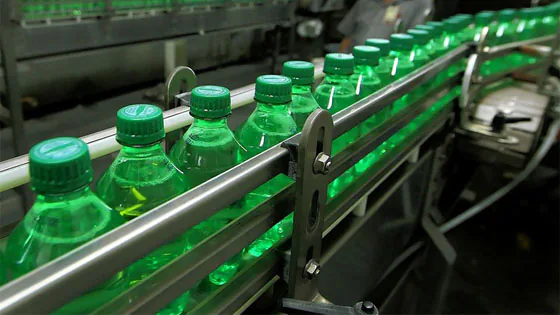
Producing high-quality PET bottles is crucial for industries such as beverages, cosmetics, and pharmaceuticals. However, defects in production can lead to wasted materials, increased costs, and dissatisfied customers. To ensure a more efficient and effective manufacturing process, it is essential to address common issues and implement strategies to reduce defects. Here are some key ways to enhance the quality of PET bottle production.
Understanding Common Defects
Before taking steps to minimize defects, it’s important to have a clear understanding of the most common issues that can arise during PET bottle production. Some common defects include:
1. Wall Thickness Variation
Inconsistent wall thickness can affect the strength and aesthetics of PET bottles. This defect is often caused by improper heating of preforms or issues with the blow molding process.
2. Base Crystallinity
Base crystallinity defects can lead to reduced bottle transparency and impact the overall quality. Factors such as cooling rates and mold temperatures can contribute to this issue.
3. Defective Sealing Surfaces
Improper sealing surfaces can result in leakage and contamination of the bottle contents. This defect can be caused by issues in the molding or sealing process.
Strategies to Reduce Defects
1. Implement Regular Quality Checks
Conducting frequent quality checks throughout the production process can help identify issues early on. This includes inspecting preforms, monitoring temperature settings, and checking for defects in finished bottles.
2. Optimize Heating and Cooling Processes
Ensuring proper heating and cooling of preforms is essential for maintaining consistent wall thickness and base crystallinity. Monitor heating and cooling parameters closely to minimize variations and defects.
3. Enhance Operator Training
Well-trained operators play a key role in producing high-quality PET bottles. Provide comprehensive training on machine operation, troubleshooting common defects, and maintaining quality standards.
4. Invest in Quality Control Equipment
Utilize advanced quality control equipment such as automated inspection systems and measurement tools to pinpoint defects accurately. These tools can help improve overall production efficiency and reduce waste.
Improving Production Processes
1. Opt for Advanced Molding Technologies
Consider investing in advanced blow molding technologies that offer better control over critical parameters. This can help minimize defects and enhance the overall quality of PET bottle production.
2. Maintain Clean Production Environment
A clean and well-maintained production environment is essential for preventing contamination and defects. Implement regular cleaning schedules and ensure proper storage of raw materials to maintain quality standards.
3. Collaborate with Suppliers
Establish strong partnerships with material suppliers to ensure the consistent quality of raw materials. Quality raw materials are essential for producing defect-free PET bottles and meeting industry standards.
Conclusion
Reducing defects in PET bottle production requires a combination of proactive measures, advanced technologies, and a focus on continuous improvement. By addressing common issues, implementing quality control initiatives, and optimizing production processes, manufacturers can enhance the overall quality and efficiency of their operations. Investing in training, equipment, and collaboration with suppliers can help minimize defects, reduce costs, and improve customer satisfaction in the competitive market of PET bottle production.


