
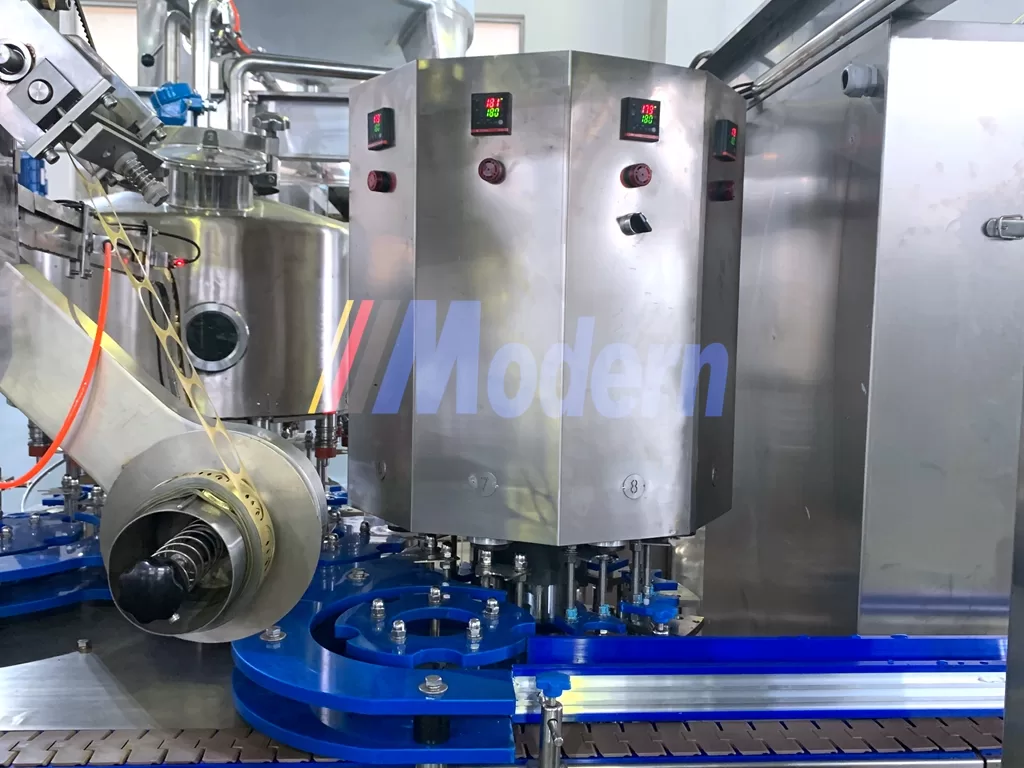
When it comes to packaging liquids like oil, choosing the right filling machine is crucial for your business. A reliable and efficient oil filling machine can streamline your production process, improve the quality of your products, and ultimately save you time and money. However, with a variety of options available in the market, selecting the most suitable oil filling machine can be overwhelming. In this guide, we will walk you through the key factors to consider when choosing an oil filling machine for your business.
1. Understand Your Production Needs
The first step in selecting the right oil filling machine is to assess your production requirements. Consider factors such as the volume of oil you need to fill, the speed at which you need to fill the containers, and the type of containers you will be using. This will help you determine the capacity and the type of filling machine that will best suit your needs.
2. Types of Oil Filling Machines
There are several types of oil filling machines available in the market, each designed for a specific production volume and container type. Common types include:
a) Piston Filling Machines: Ideal for filling thicker oils, these machines are precise and suitable for medium to high production volumes.
b) Gravity Filling Machines: Suitable for filling free-flowing oils, these machines are cost-effective and easy to operate.
c) Overflow Filling Machines: Perfect for filling oils with foaming properties, these machines ensure a consistent fill level.
3. Consider Automation Level
Automation can significantly improve the efficiency and accuracy of your filling process. Depending on your budget and production volume, you can choose from manual, semi-automatic, or fully automatic oil filling machines. Fully automatic machines are more expensive but offer higher precision and output rates, while manual machines are more budget-friendly but require more labor.
4. Material Compatibility
Ensure that the materials used in the oil filling machine are compatible with the type of oil you are filling. Some oils may be corrosive or reactive with certain metals or plastics, leading to contamination or machine damage. Select a machine made from materials that are resistant to corrosion and can withstand the characteristics of the oil being filled.
5. Space and Layout
Consider the available space in your production facility when choosing an oil filling machine. Measure the dimensions of the machine and ensure it can fit into your layout seamlessly without causing disruptions to other production processes. Additionally, factor in space for maintenance and servicing of the machine to ensure smooth operations.
6. Maintenance and Support
Regular maintenance is essential to keep your oil filling machine running efficiently. Look for machines that are easy to clean and maintain, with readily available spare parts. Choose a reputable manufacturer that offers comprehensive support, including maintenance services and technical assistance, to ensure minimal downtime and maximum productivity.
7. Cost and Return on Investment
While cost is an important factor, it should not be the sole determining factor when choosing an oil filling machine. Consider the long-term benefits and return on investment that the machine can provide. A higher initial investment in a quality machine can result in lower operating costs, higher production efficiency, and ultimately, better profitability for your business.
8. Test Before Purchase
Before making a final decision, request a product demonstration or trial run of the oil filling machine. This will allow you to assess the machine’s performance, accuracy, and compatibility with your specific requirements. Pay attention to the filling accuracy, speed, and ease of operation during the test to ensure it meets your expectations.
9. Regulatory Compliance
Ensure that the oil filling machine complies with relevant industry regulations and standards. Depending on your location and the type of oil you are filling, there may be specific guidelines and requirements that the machine needs to meet to ensure product quality and safety. Verify that the machine meets these regulations before making a purchase.
10. Seek Expert Advice
If you are unsure about which oil filling machine is best for your business, consider consulting with industry experts or professionals. They can provide valuable insights and recommendations based on your specific production needs, budget, and business goals. Taking the time to seek expert advice can help you make an informed decision and avoid potential pitfalls.
Conclusion
Choosing the right oil filling machine is a critical decision that can impact the efficiency and profitability of your business. By understanding your production needs, considering the different types of filling machines, evaluating automation levels, ensuring material compatibility, and factoring in maintenance and support, you can make an informed choice that meets your business requirements. Remember to test the machine before purchase, verify regulatory compliance, and seek expert advice if needed. Investing in a quality oil filling machine will not only improve your production process but also set the foundation for long-term success in the industry.
Make sure to conduct thorough research, compare different options, and prioritize your business goals when selecting an oil filling machine. With careful consideration and planning, you can find the perfect oil filling machine that meets your needs and helps your business thrive in the competitive market.


