PET blowing machines play a crucial role in the production of various plastic containers, such as bottles for water, soft drinks, and other beverages. Understanding how these machines work is essential for anyone involved in the manufacturing or packaging industry. In this article, we will delve into the intricacies of PET blowing machines, exploring their functions, processes, and key components.
The Basics of PET Blowing Machines
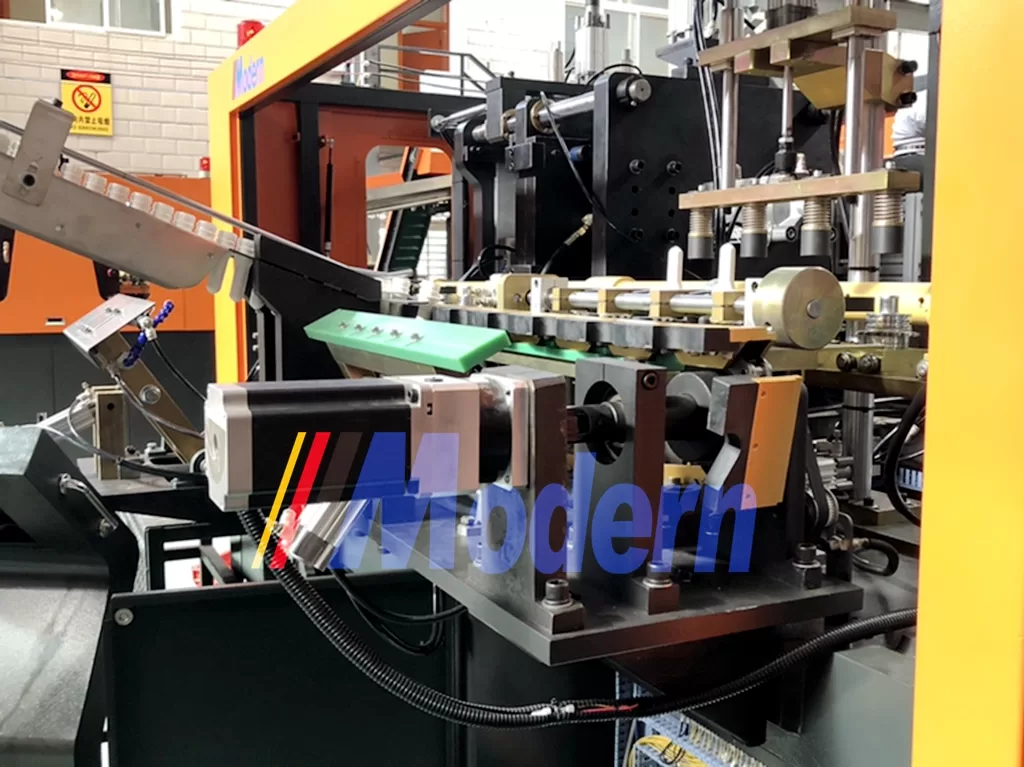
PET (Polyethylene Terephthalate) blowing machines are used to transform preforms, which are small plastic tubes, into finished products like bottles. The process involves heating the preforms to a specific temperature and then using high-pressure air to blow them into the desired shape within a mold.
Key Components of PET Blowing Machines
1. Preform Feeding System: This system is responsible for accurately feeding preforms into the machine. It ensures a consistent supply of preforms for the blowing process.
2. Heating Unit: PET preforms need to be heated to their optimal temperature before they can be blown. The heating unit in the machine uses infrared or other heating technologies to achieve this.
3. Stretching and Blowing Unit: Once the preforms are heated, they enter the stretching and blowing unit, where high-pressure air is used to expand the preforms into the shape of the mold.
4. Moulds: Moulds play a critical role in determining the final shape and size of the bottle. They come in various configurations to accommodate different bottle designs.
5. Air System: The air system in the machine provides the necessary pressure to blow the preforms into the desired shape. It needs to be carefully calibrated for optimal results.
The PET Blowing Process
The PET blowing process can be broken down into the following steps:
Step 1: Preform Heating
The preforms are fed into the machine and heated to their required temperature. This process ensures that the plastic material reaches its optimal state for stretching and blowing.
Step 2: Stretching
Once the preforms reach the desired temperature, they are stretched using a stretching rod. This step prepares the preforms for the blowing process by improving their molecular orientation.
Step 3: Blowing
High-pressure air is injected into the preforms, causing them to expand and take the shape of the mould. The blowing process must be precise to ensure uniform wall thickness and overall quality of the bottle.
Step 4: Cooling
After the blowing process is completed, the newly formed bottles are cooled to help them retain their shape. Proper cooling is essential to prevent deformities and ensure product consistency.
Quality Control in PET Blowing
Ensuring the quality of PET bottles is vital for manufacturers to maintain consumer trust and meet regulatory standards. Quality control measures in PET blowing include:
1. Material Inspection: Manufacturers must carefully inspect PET materials for impurities or defects before the blowing process.
2. Process Monitoring: Continuous monitoring of temperature, pressure, and other variables during the blowing process is essential to maintain quality consistency.
3. Product Testing: Finished bottles should undergo rigorous testing for dimensions, wall thickness, and overall integrity to identify and address any defects.
Applications of PET Blowing Machines
PET blowing machines are widely used across various industries for the production of:
1. Water Bottles
2. Soft Drink Bottles
3. Edible Oil Bottles
4. Pharmaceutical Bottles
5. Personal Care Product Containers
Key Considerations for Operating PET Blowing Machines
1. Maintenance: Regular maintenance of the machine components, including cleaning and lubrication, is crucial to ensure smooth operation and extend the machine’s lifespan.
2. Training: Operators should receive comprehensive training on operating and troubleshooting PET blowing machines to maximize efficiency and minimize downtime.
3. Optimization: Continuously optimizing machine settings and processes can help improve production efficiency, reduce waste, and enhance product quality.
Conclusion
Understanding the intricacies of PET blowing machines is essential for manufacturers and industry professionals seeking to produce high-quality plastic containers efficiently. By mastering the processes, components, and quality control measures involved in PET blowing, businesses can streamline production, enhance product quality, and meet the diverse needs of consumers across various industries.
Stay tuned for more insights into the world of manufacturing and packaging technology.