
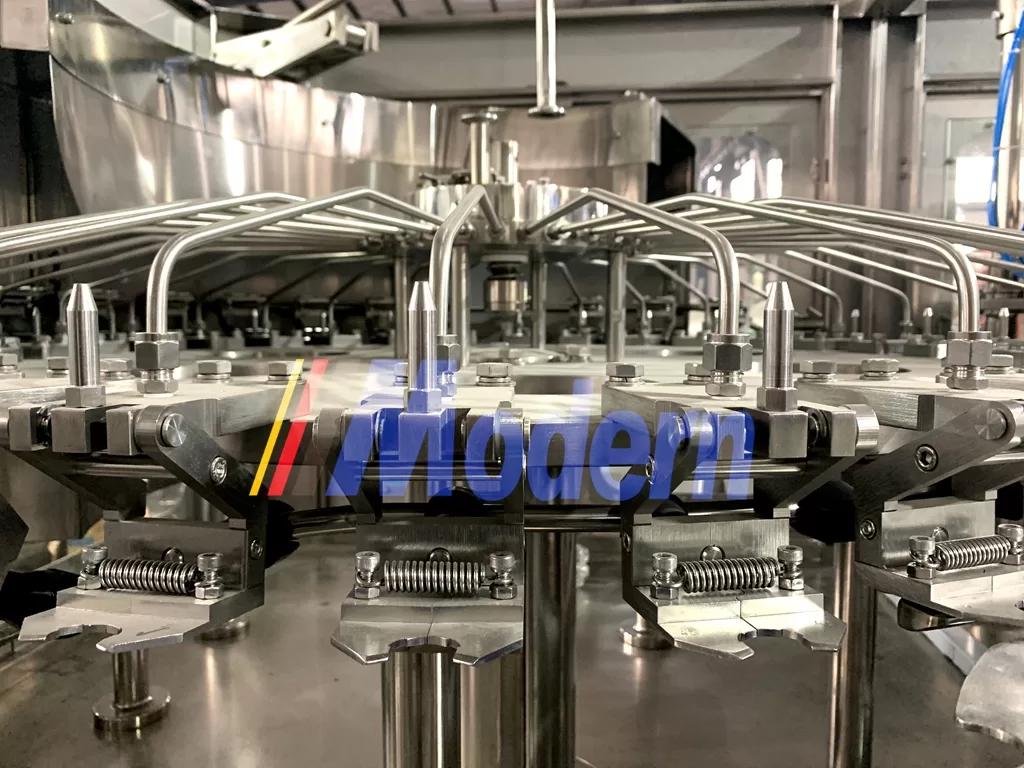
Beer bottling is a critical process in the brewery industry, intricately tied to the quality and efficiency of the final product. One often overlooked factor that significantly impacts the bottling process is the size of the beer bottle itself. Understanding how beer bottle size affects filling speed can lead to improvements in production efficiency, waste reduction, and overall cost-effectiveness for breweries. In this article, we will delve into the various dimensions of this topic, exploring the implications, factors, and potential solutions surrounding bottle size and filling speed in the beer industry.
The Importance of Filling Speed in Beer Bottling
Before delving into the relationship between bottle size and filling speed, it is essential to understand the significance of filling speed in the beer bottling process. Filling speed directly impacts the production output of a brewery, affecting throughput and efficiency. The faster the filling speed, the higher the production capacity, leading to increased revenue and cost savings.
However, maintaining an optimal filling speed is crucial to ensure the consistent quality of the beer and prevent wastage. Too fast of a filling speed can result in spillage, foaming, and inaccurate filling levels, leading to product inconsistencies and potential customer dissatisfaction.
Factors Influencing Filling Speed Efficiency
Several factors influence the efficiency of filling speed in beer bottling, with bottle size being a prominent one. Other factors that can impact filling speed efficiency include:
1. Carbonation Levels
The carbonation levels in the beer directly affect how quickly it can be bottled. Higher carbonation levels can lead to increased foaming during the filling process, necessitating a slower filling speed to maintain accuracy and prevent spillage.
2. Bottle Design
The design of the beer bottle, including the shape, neck size, and opening diameter, can also impact filling speed. Bottles with narrow necks or unconventional shapes may require specialized equipment or adjustments to the filling process, potentially affecting speed.
3. Filling Equipment
The type and condition of the filling equipment used in the bottling process play a significant role in determining filling speed. Regular maintenance and calibration of filling machines are essential to ensure consistent and efficient operation.
Effects of Beer Bottle Size on Filling Speed
Beer bottle size plays a critical role in determining the efficiency and speed of the filling process. The following are some of the key ways in which bottle size can impact filling speed:
1. Time Taken to Fill a Bottle
Larger beer bottles naturally require more time to fill compared to smaller bottles due to their increased volume capacity. A brewery filling standard 12 oz bottles will have a faster average filling speed compared to one filling 22 oz bomber bottles.
2. Handling and Positioning
The size and weight of the bottle can affect how it is handled and positioned during the filling process. Larger bottles may require additional support or adjustments in the bottling line to ensure stability and accuracy, potentially slowing down the overall filling speed.
3. Foaming and Carbonation Control
Different bottle sizes can impact the level of foaming and carbonation control during the filling process. Larger bottles may experience higher levels of foaming, necessitating adjustments to the filling speed to prevent spillage and ensure consistent filling levels.
Optimizing Filling Speed in Relation to Bottle Size
To maximize efficiency and quality in the beer bottling process, breweries can implement the following strategies to optimize filling speed in relation to bottle size:
1. Conduct Regular Testing
Breweries should conduct regular filling speed tests using different bottle sizes to determine the optimal speed for each size. This allows for adjustments to be made to the filling equipment and process to ensure consistent and accurate filling.
2. Invest in Adjustable Filling Equipment
Investing in filling equipment that can be easily adjusted to accommodate different bottle sizes can significantly improve efficiency and flexibility in the bottling process. Adjustable filling heads and speeds can streamline operations and reduce downtime.
3. Monitor Carbonation Levels
Monitoring and adjusting carbonation levels based on bottle size can help control foaming and speed up the filling process. By maintaining consistent carbonation levels across different bottle sizes, breweries can reduce spillage and improve overall filling speed.
Conclusion
In conclusion, the size of beer bottles directly impacts the efficiency and speed of the filling process in breweries. Understanding the implications of bottle size on filling speed is crucial for optimizing production capacity, reducing waste, and improving cost-effectiveness. By considering factors such as carbonation levels, bottle design, and filling equipment, breweries can implement strategies to enhance filling speed efficiency and ensure consistent quality in their bottled products.
Ultimately, a thorough understanding of how beer bottle size affects filling speed can lead to enhanced operational performance and a competitive edge in the dynamic brewery industry.


