
Introduction
In today’s competitive market, bottled water plants are constantly seeking ways to enhance efficiency and cut down on operational costs. One of the most effective strategies for achieving this is through the implementation of automation technologies. This article delves into the significance of automation in reducing labor costs within bottled water plants, offering valuable insights for industry professionals.
Benefits of Automation in Bottled Water Plants
Automating processes in bottled water plants can yield a multitude of benefits, particularly in terms of reducing labor costs. By streamlining operations and minimizing the need for manual intervention, automation helps plant owners save both time and resources. Moreover, automation enhances productivity, ensures consistent quality, and improves overall efficiency.
Types of Automation Technologies in Bottled Water Plants
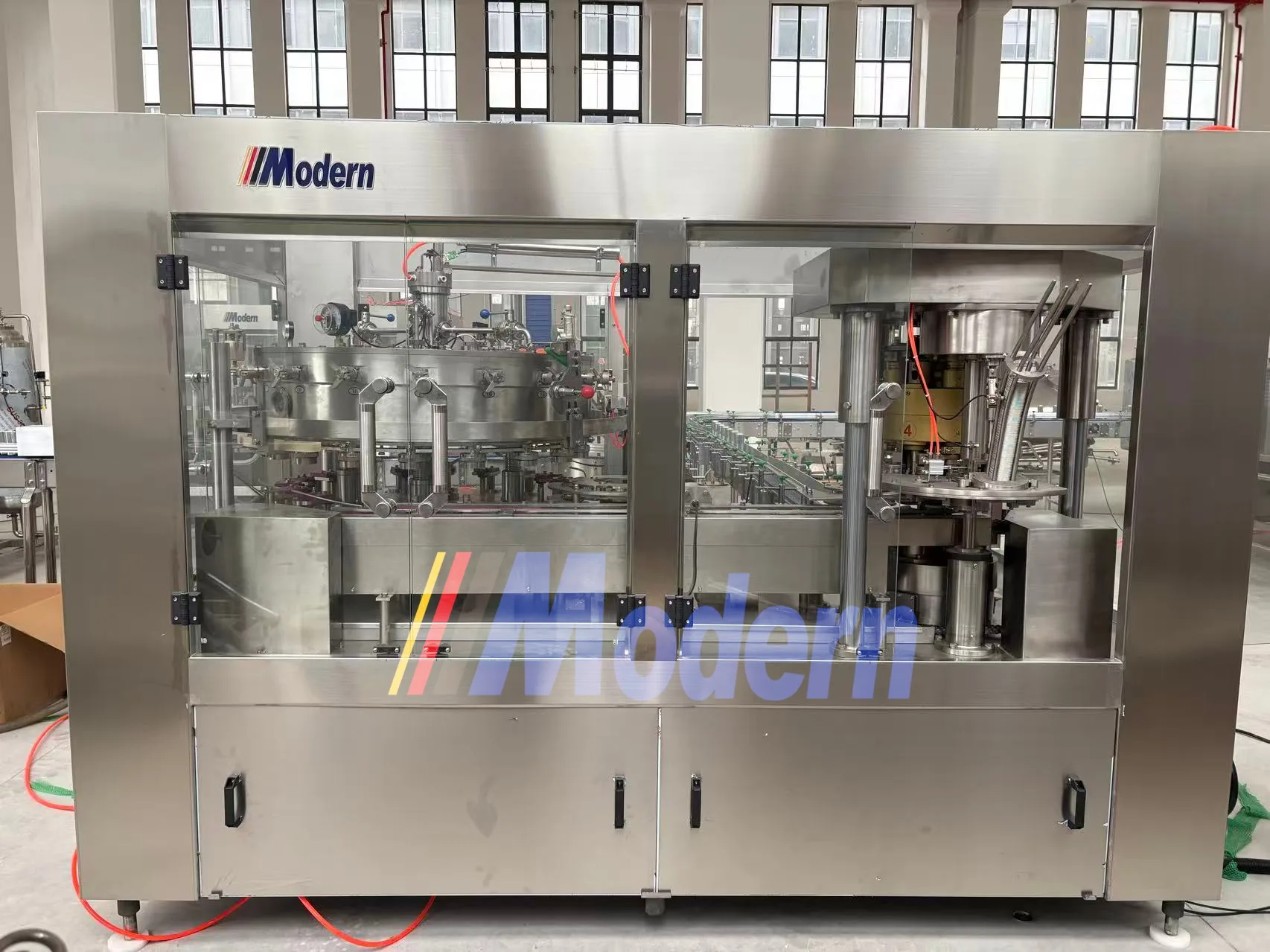
Several automation technologies can be implemented in bottled water plants to optimize processes and minimize labor costs. These may include robotic systems for packaging, automated bottling lines, IoT-enabled sensors for monitoring equipment performance, and AI-powered optimization algorithms for resource allocation.
Applications of Automation in Bottled Water Plants
Automation technologies find extensive application in various areas within bottled water plants, such as bottling, labeling, packaging, quality control, and inventory management. By automating these processes, plant operators can achieve higher throughput, reduce errors, and ensure compliance with industry standards.
Technical Details of Automation Systems
Automation systems in bottled water plants operate based on advanced control algorithms, machine learning models, and real-time data analytics. These systems are designed to optimize production schedules, minimize downtime, and maximize resource utilization. Additionally, automation technologies often feature remote monitoring capabilities for enhanced operational oversight.
Best Practices for Implementing Automation
- Conduct a thorough analysis of existing processes to identify areas suitable for automation.
- Collaborate with automation experts to tailor solutions that meet specific plant requirements.
- Train staff on operating and maintaining automated systems to ensure effective utilization.
- Regularly assess the performance of automation technologies and make adjustments as needed.
Market Trends and Industry Insights
The bottled water industry is witnessing a significant shift towards automation-driven production processes to stay competitive and meet growing consumer demands. Market trends indicate a rising adoption of robotics, AI, and IoT solutions in bottled water plants, paving the way for enhanced efficiency and cost savings.
Challenges and Solutions in Automation
While automation offers numerous benefits, challenges such as initial investment costs, integration complexities, and workforce reskilling requirements may arise. To address these challenges, plant owners can seek cost-effective automation solutions, implement phased deployment strategies, and invest in training programs to upskill employees.
Sustainability and Future Outlook
Automation not only reduces labor costs but also contributes to sustainability efforts by optimizing resource usage and minimizing waste. Looking ahead, the future of automation in bottled water plants is poised for further advancements in AI, predictive analytics, and green technologies, driving increased efficiency and environmental responsibility.
Conclusion
Automation plays a pivotal role in revolutionizing the operations of bottled water plants, offering a pathway to reduce labor costs, enhance productivity, and ensure competitiveness in the market. By embracing automation technologies and leveraging best practices, plant owners can unlock new levels of efficiency and sustainability, ultimately paving the way for a more profitable and environmentally conscious future.


