
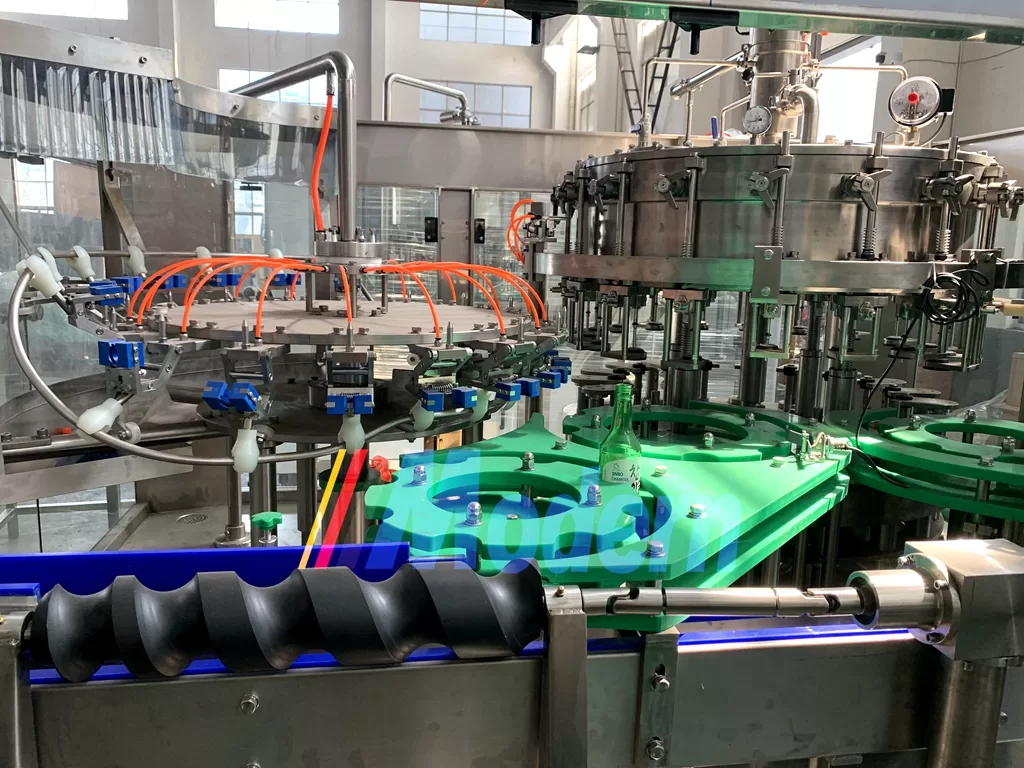
Plastic water bottles are ubiquitous in our daily lives, used for storing and transporting water conveniently. Have you ever wondered about the intricate process involved in manufacturing these bottles? In this article, we will delve into the detailed steps of how plastic water bottles are produced, from raw materials to the final product.
1. Raw Material Acquisition
The journey of a plastic water bottle begins with the acquisition of raw materials. The primary material used in manufacturing these bottles is polyethylene terephthalate (PET) resin. PET is a form of polyester that is strong, lightweight, and transparent, making it ideal for packaging applications. The PET resin pellets are typically sourced from petrochemical plants and suppliers.
2. Polymerization Process
Once the PET resin pellets are obtained, they undergo a process called polymerization. In this step, the PET resin is heated and melted to form a viscous liquid. The liquid is then injected into a mold, where it solidifies and takes the shape of the bottle. This process is known as injection molding and is a crucial step in creating the preliminary form of the water bottle.
3. Stretch Blow Molding
After the injection molding stage, the preform – a small, thick-walled tube of PET resin – is transferred to the stretch blow molding machine. In this machine, the preform is heated and stretched in two directions simultaneously – axially and radially. This stretching process enhances the molecular orientation of the PET molecules, strengthening the bottle and improving its barrier properties against oxygen and carbon dioxide.
4. Bottle Forming and Trimming
Once the stretching process is complete, the preform is blown into the shape of a bottle within the mold. The excess material is trimmed off, leaving a finished bottle with a neck and threads for attaching a cap. This step requires precision to ensure uniform wall thickness and consistent quality across all bottles produced.
5. Quality Control and Inspection
Quality control is a critical aspect of the manufacturing process to ensure that each bottle meets industry standards and specifications. Various inspection techniques, such as visual inspection, leak testing, and dimensional checks, are employed to identify any defects or irregularities in the bottles. Any substandard bottles are rejected to maintain the quality of the final product.
6. Printing and Labeling
Once the bottles have passed quality control checks, they are ready to be printed and labeled. This step involves applying labels with brand logos, product information, and recycling symbols to the bottles. Printing techniques like inkjet printing or labeling machines are used to achieve high-quality graphics and legible text on the bottles.
7. Packaging and Shipment
After printing and labeling, the bottles are packaged in bulk quantities for shipment to distributors and retailers. Packaging methods may vary depending on the customer’s requirements, with options ranging from shrink wrapping to corrugated cardboard boxes. Efficient packaging practices are essential to protect the bottles during transit and storage.
8. Recycling and Sustainability Initiatives
As plastic pollution continues to be a global concern, many manufacturers are actively engaged in recycling and sustainability initiatives to reduce their environmental impact. Plastic water bottles can be recycled and repurposed into new products, such as polyester fiber for clothing or other bottles. Implementing recycling programs and using recycled PET in bottle production are steps towards a more sustainable future.
Conclusion
In conclusion, the manufacturing process of plastic water bottles is a complex yet fascinating journey that involves various stages, from raw material acquisition to quality control and packaging. Understanding the intricacies of this process sheds light on the effort and technology involved in producing the everyday items we often take for granted. By incorporating sustainability practices and quality standards, manufacturers can contribute to a more environmentally conscious approach to plastic bottle production.
Next time you pick up a plastic water bottle, remember the intricate process it underwent to reach your hands, from the transformation of raw materials to the final product ready for consumption.


