Introduction
As the beverage industry continues to evolve, automation and smart manufacturing are becoming key drivers of innovation and efficiency. This article explores the future trends in beverage production, focusing on how automation and smart manufacturing are revolutionizing the way drinks are made. From increased productivity to enhanced quality control, these technologies are reshaping the industry landscape.
Benefits of Automation and Smart Manufacturing
Implementing automation and smart manufacturing in beverage production offers numerous advantages. These technologies streamline processes, reduce human error, and improve overall operational efficiency. By integrating automation, manufacturers can achieve higher production outputs, faster turnaround times, and consistent product quality, ultimately leading to cost savings and increased competitiveness in the market.
Types of Automation Systems in Beverage Production
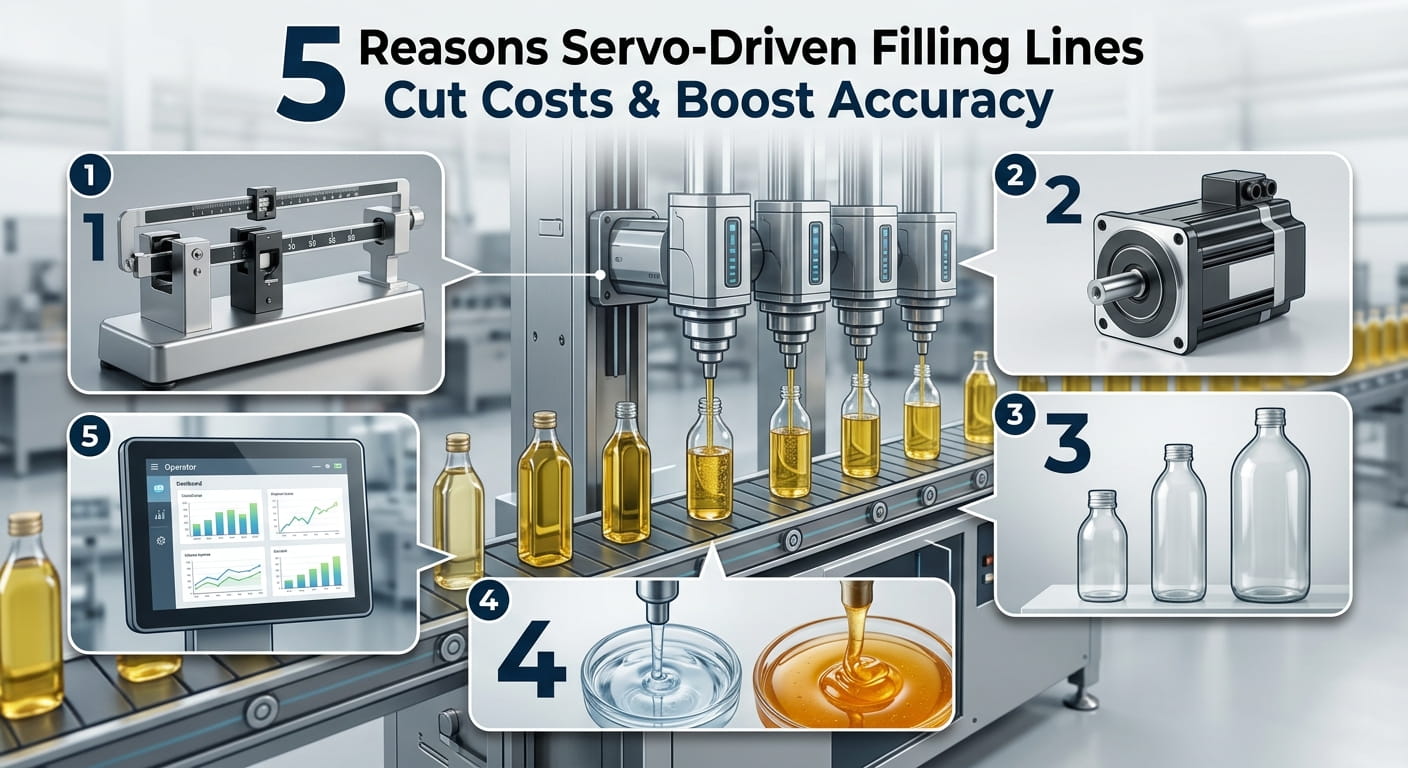
There are various types of automation systems used in beverage production, including robotic arms for packaging, automated labeling machines, and conveyor systems for efficient material handling. These systems are designed to optimize production processes, reduce labor costs, and ensure seamless operations from raw ingredients to final products.
- Robotic arms for packaging
- Automated labeling machines
- Conveyor systems for material handling
Applications and Use Cases
Automation and smart manufacturing find applications in multiple scenarios within the beverage production sector. From bottling and labeling to quality control and inventory management, these technologies enhance operational capabilities and enable manufacturers to meet the growing demands of consumers effectively. Real-world examples showcase how automation improves efficiency and product consistency in various production stages.
Technical and Operational Details
Understanding the technical aspects of automation and smart manufacturing is crucial for implementing these technologies successfully. Key specifications such as sensor integration, data analytics, and remote monitoring play a significant role in optimizing production lines and enhancing overall performance. Manufacturers need to invest in state-of-the-art equipment and software to ensure seamless integration and operation.
Best Practices and Maintenance Tips
To maximize the benefits of automation and smart manufacturing in beverage production, following best practices and regular maintenance routines are essential. Proper calibration of equipment, regular software updates, and employee training programs contribute to the smooth operation of automated systems. Additionally, implementing preventive maintenance schedules and troubleshooting protocols can prevent downtime and production delays.
Market Trends and Industry Insights
The beverage industry is witnessing a shift towards greater automation and smart manufacturing solutions due to the need for increased production capacities and improved efficiency. Innovations in robotics, artificial intelligence, and Internet of Things (IoT) are driving the evolution of production processes, enabling manufacturers to stay competitive in a dynamic market environment. Understanding these trends is crucial for staying ahead in the industry.
Challenges and Solutions
While automation and smart manufacturing offer significant benefits, they also come with challenges such as initial capital investment, technical complexities, and workforce training requirements. Manufacturers need to address these challenges proactively by developing comprehensive implementation strategies, collaborating with industry experts, and continuously optimizing their production systems to adapt to changing market dynamics.
Sustainability and Future Outlook
In light of increasing environmental concerns and resource scarcity, sustainability is a critical aspect of future beverage production trends. Automation and smart manufacturing technologies can contribute to reducing waste, energy consumption, and carbon emissions, making production processes more eco-friendly and resource-efficient. Looking ahead, the industry is poised to embrace these sustainable practices to ensure long-term viability and environmental stewardship.
In conclusion, the future trends in beverage production point towards a paradigm shift driven by automation and smart manufacturing technologies. By embracing these innovations, manufacturers can achieve higher efficiency, product quality, and sustainability, positioning themselves for success in a competitive market landscape. As the industry continues to evolve, staying abreast of these trends and adopting best practices will be crucial for industry players to thrive in the dynamic beverage production sector.
Stay updated on the latest developments in automation and smart manufacturing to propel your beverage production operations towards a sustainable and efficient future.