
The demand for fruit juice continues to rise globally as health-conscious consumers seek natural and nutritious beverage options. As a result, the fruit juice filling production line has become an essential aspect of modern beverage manufacturing. This article explores the intricacies of fruit juice filling production lines, including their components, operating procedures, technological advancements, and best practices for ensuring high-quality production. Whether you are a manufacturer, exporter, or entrepreneur in the beverage industry, understanding these aspects can help optimize your production processes and meet market demands effectively.
Understanding the Fruit Juice Filling Production Line
A fruit juice filling production line refers to the sequential processes involved in the preparation, filling, and packaging of fruit juice products. This production line typically encompasses several distinct stages, including fruit washing, extraction, pasteurization, homogenization, and filling. Each of these stages is crucial for maintaining the integrity of the juice and ensuring food safety.
The Key Components of a Fruit Juice Filling Production Line
To fully grasp the functioning of a fruit juice filling production line, it is essential to understand its core components:
- Fruit Processing Equipment: This includes machinery for washing, cutting, and extracting juice from fruits. Proper processing is crucial for maintaining the quality of the juice.
- Pasteurization Equipment: Pasteurization helps kill harmful bacteria and enzymes that can spoil the juice. It is an essential step that ensures safety and extends shelf life.
- Homogenization Equipment: Homogenizers help create a uniform consistency in the juice by breaking down pulp particles, which enhances stability and mouthfeel.
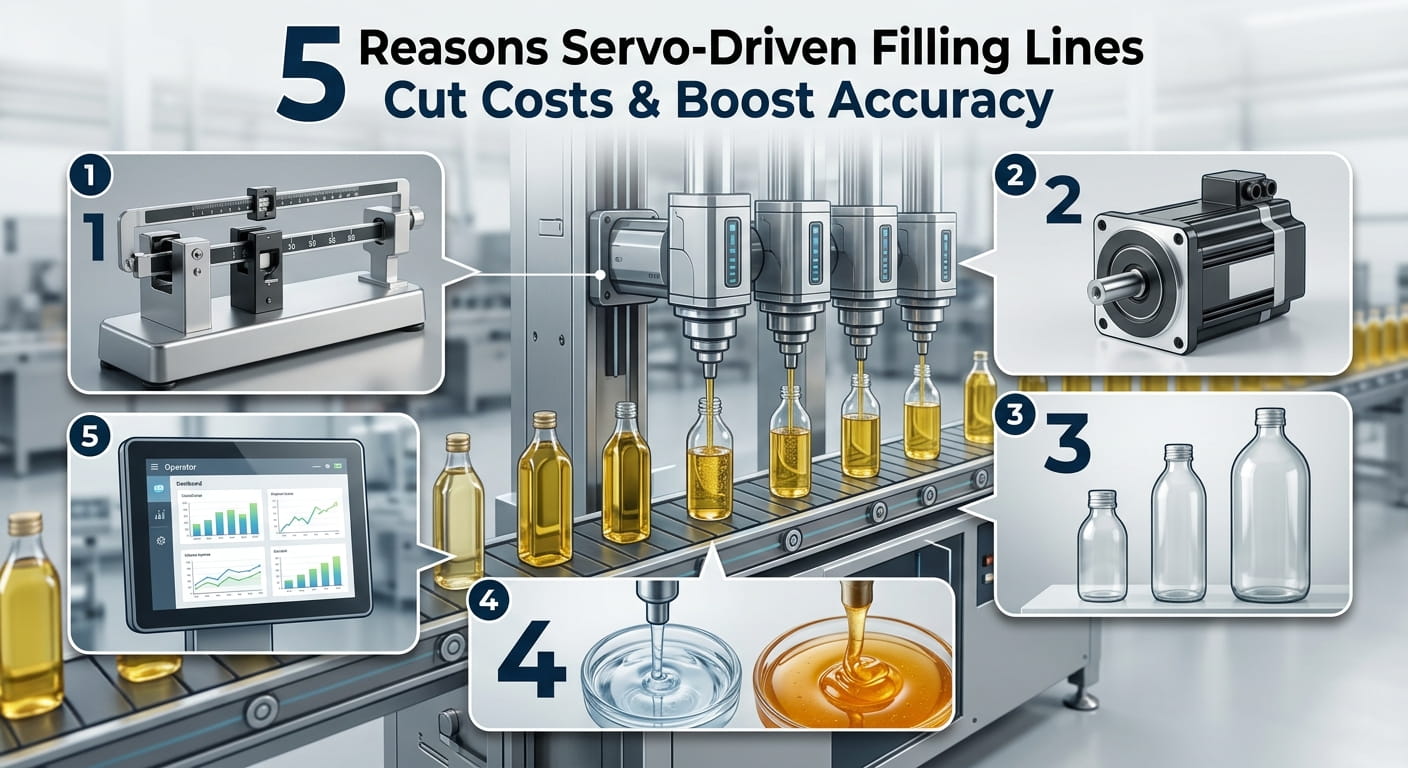
- Filling Machines: These machines are responsible for accurately filling bottles or containers with juice. They can be automated or semi-automated, depending on production volume.
- Packaging Equipment: This includes machines for labeling, sealing, and packing juice products for distribution and retail.
The Stages of the Fruit Juice Filling Production Line
Understanding the distinct stages in the fruit juice filling production line is vital for optimizing processes and ensuring quality.
1. Fruit Receiving and Preparation
The first step in the production line involves receiving fresh fruits and preparing them for processing. This stage includes sorting and washing the fruits to remove dirt, pesticides, and foreign materials. Investing in an efficient fruit washing system is critical to ensure that the juice is safe and of high quality.
2. Juice Extraction
Once the fruits are prepared, the next step is juice extraction. Different extraction methods may be employed based on the type of fruit and desired juice quality. Common methods include cold pressing and centrifugal extraction. Cold pressing tends to preserve more nutrients and flavor, while centrifugal methods are faster and more cost-effective.
3. Pasteurization
After extraction, the juice typically undergoes pasteurization to eliminate pathogens and spoilage microorganisms. This process involves heating the juice to a specified temperature and then rapidly cooling it to preserve flavor and nutrients. Maintaining the correct pasteurization parameters is crucial for achieving food safety without compromising juice quality.
4. Homogenization
Homogenization follows pasteurization, creating a uniform blend of juice with desirable flavors and textures. This step helps reduce separation and sedimentation, ensuring that consumers receive a consistent product each time. Depending on the end product, this stage may be optional.
5. Filling and Packaging
During the filling stage, the prepared juice is dispensed into containers using filling machines. Accurate and hygienic filling is essential for reducing product waste and minimizing contamination risks. Post-filling, containers go through various packaging processes, including labeling and sealing, before being stored or shipped.
Technological Advancements in Fruit Juice Filling Production
The fruit juice industry has witnessed significant technological advancements in recent years, resulting in improved efficiency, safety, and product quality. Some notable innovations include:
- Automated Systems: Automation reduces human error and increases throughput, allowing manufacturers to meet higher demand effectively.
- Vacuum Filling Technology: This technology allows for precise filling and minimizes oxygen exposure, which helps preserve juice freshness and shelf life.
- Smart Sensors: Integration of smart sensors in production lines enhances monitoring and quality control, ensuring adherence to safety standards and optimal performance.
- Digital Track and Trace: The implementation of traceability solutions aids in quickly identifying and mitigating issues throughout the supply chain.
Best Practices for Optimizing the Fruit Juice Filling Production Line
To successfully operate a fruit juice filling production line, manufacturers should consider several best practices:
1. Regular Maintenance
Regular maintenance of equipment is vital in ensuring a smooth and efficient production process. Schedule routine inspections, cleaning, and repairs to prevent breakdowns and production delays.
2. Quality Control Measures
Establish a robust quality control system to monitor various parameters throughout the production process. Conduct regular testing for microbial contamination, nutritional content, and flavor consistency to ensure product quality and safety.
3. Employee Training
Investing in training programs for employees significantly enhances operational efficiency and safety. Provide staff with regular training on equipment handling, hygiene practices, and quality control measures.
4. Sustainable Practices
Incorporating sustainable practices in the production line, such as waste reduction and energy-efficient processes, not only benefits the environment but also can lead to cost savings and improved brand image.
Meeting Consumer Expectations in Fruit Juice Production
Today’s consumers are increasingly educated about their food and beverage choices, leading to higher expectations for product quality and transparency. To meet these expectations, manufacturers should:
- Focus on Natural Ingredients: Use high-quality, natural ingredients without artificial additives or preservatives to appeal to health-conscious consumers.
- Provide Transparency: Offer clear labeling that informs consumers about the sourcing, processes, and ingredients of the juice.
- Enhance Variety: Consider diversifying the product range to include options like organic offerings, functional beverages with added health benefits, and unique flavor combinations.
Conclusion
The fruit juice filling production line is an intricate system that requires careful planning, execution, and continuous improvement. By understanding the various components, stages, technological innovations, and best practices within this domain, manufacturers can optimize their production processes, enhance product quality, and ensure customer satisfaction. As the market for fruit juices continues to expand, staying abreast of industry trends and consumer preferences will be essential for success. With a focus on quality, efficiency, and sustainability, the fruit juice industry can continue thriving in an increasingly competitive landscape.