
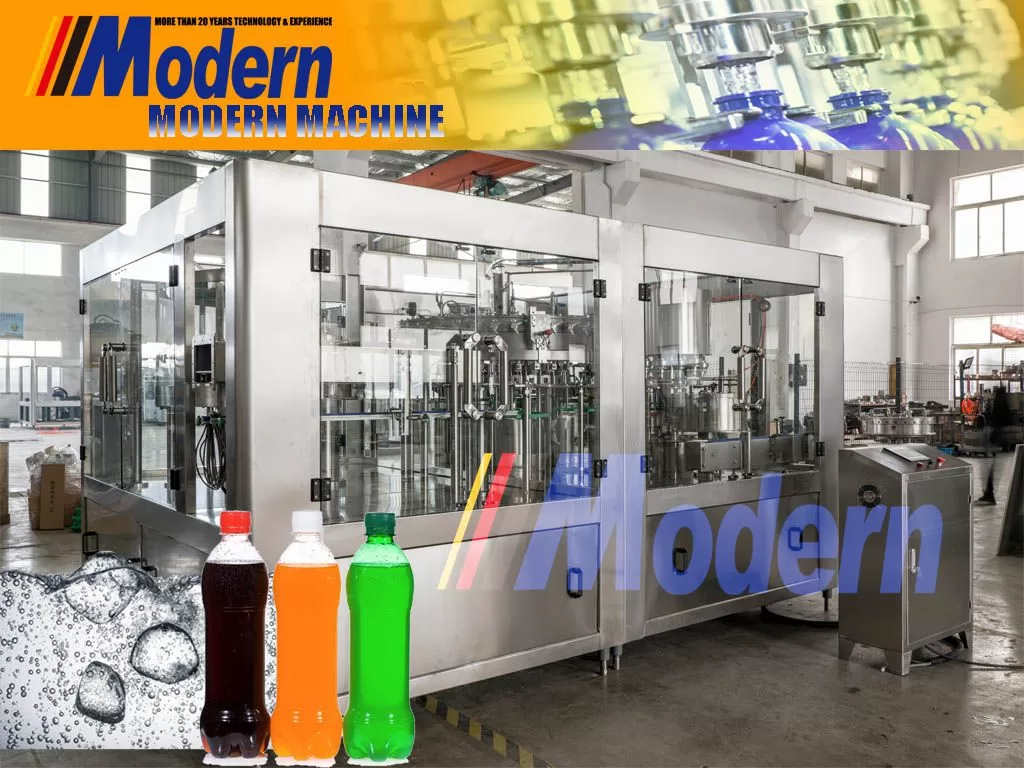
When it comes to manufacturing and packaging industries, filling machines play a crucial role in the production process. These machines are essential for filling containers with liquids, powders, or granules efficiently and accurately. Understanding how filling machines work can help businesses optimize their production processes, improve efficiency, and ensure product quality.
The Basics of Filling Machines
Filling machines come in various types and designs depending on the specific application and industry requirements. The basic principle of operation remains the same across different types of filling machines. These machines are designed to dispense a specific volume of product into containers with precision and consistency.
Types of Filling Machines
There are several types of filling machines commonly used in manufacturing and packaging industries:
1. Gravity Fillers:
Gravity fillers rely on gravity to fill containers. The product is poured into a filling nozzle, and gravity causes it to flow into the container until it reaches the desired fill level. Gravity fillers are suitable for liquids and products with low viscosity.
2. Piston Fillers:
Piston fillers use a piston mechanism to dispense precise amounts of product into containers. The piston is driven by compressed air or a mechanical system, allowing for accurate filling of containers with various viscosities.
3. Overflow Fillers:
Overflow fillers are ideal for filling containers with liquid products. These machines fill containers to a consistent level by allowing excess product to overflow back into the reservoir. Overflow fillers are commonly used for filling bottles with beverages, sauces, and other liquid products.
4. Auger Fillers:
Auger fillers are used for filling containers with powders, granules, and other dry products. These machines utilize an auger screw to dispense a precise amount of product into containers. Auger fillers are commonly used in industries such as food, pharmaceuticals, and chemicals.
5. Volumetric Fillers:
Volumetric fillers measure and dispense a specific volume of product into containers. These machines are suitable for filling containers with liquids, pastes, and semi-solid products. Volumetric fillers are versatile and can be used in a wide range of industries.
Working Principle of Filling Machines
Regardless of the type of filling machine, the basic working principle involves several key components:
1. Product Hopper:
The product hopper stores the product to be filled and feeds it to the filling mechanism. The size of the hopper depends on the production requirements and the type of product being filled.
2. Filling Nozzle:
The filling nozzle is responsible for dispensing the product into containers. The design of the filling nozzle varies depending on the type of product and container being filled.
3. Control System:
Modern filling machines are equipped with advanced control systems to regulate the filling process. These systems ensure precise filling, monitor fill levels, and adjust parameters as needed to maintain accuracy.
4. Conveyor System:
A conveyor system is used to transport containers to and from the filling machine. The speed and design of the conveyor system can impact the overall efficiency of the filling process.
Factors Influencing Filling Machine Performance
Several factors can affect the performance and efficiency of filling machines:
1. Product Viscosity:
The viscosity of the product being filled plays a crucial role in selecting the appropriate filling machine. Different types of filling machines are designed to handle products with varying viscosities.
2. Container Size and Shape:
The size and shape of the containers being filled can impact the choice of filling machine and the filling process. It is essential to consider the compatibility between the container and the filling machine to ensure accurate filling.
3. Production Speed:
The production speed required for a specific application will dictate the type of filling machine needed. High-speed production lines may require specialized filling machines capable of rapid and precise filling.
4. Product Safety and Hygiene:
Filling machines used in industries such as food and pharmaceuticals must meet strict safety and hygiene standards. It is essential to choose filling machines that are designed for clean and sterile filling environments.
Tips for Optimizing Filling Machine Performance
To maximize the efficiency and performance of filling machines, consider the following tips:
1. Regular Maintenance:
Regular maintenance is essential to ensure that filling machines operate smoothly and efficiently. Clean and lubricate the machine components regularly to prevent downtime and maintain accuracy.
2. Operator Training:
Provide comprehensive training for machine operators to ensure they understand the operation and maintenance of filling machines. Well-trained operators can identify issues early and optimize the filling process.
3. Quality Control:
Implement quality control measures to monitor the filling process and ensure consistent product quality. Regularly check fill levels, container seals, and product integrity to avoid waste and potential product recalls.
4. Consider Automation:
Automation can streamline the filling process and improve efficiency. Investing in automated filling machines with advanced control systems can reduce human error and increase productivity.
Conclusion
Understanding how filling machines work is essential for businesses in the manufacturing and packaging industries. By choosing the right type of filling machine, optimizing performance factors, and implementing best practices, companies can enhance their production processes, improve efficiency, and maintain product quality. Filling machines are a critical component of modern manufacturing operations, and investing in the right equipment can lead to significant cost savings and competitive advantages in the market.


