
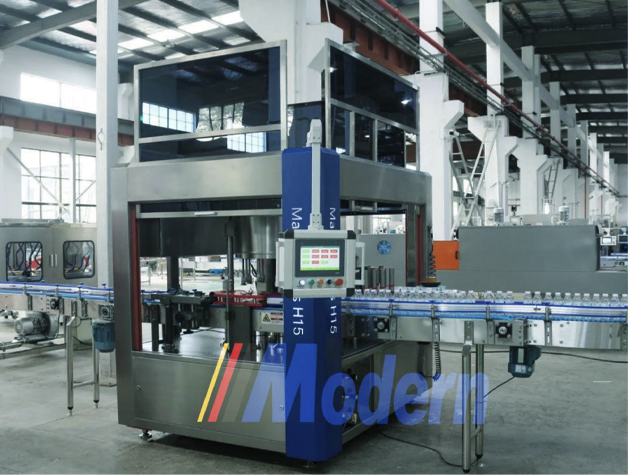
The production of carbonated soft drinks (CSD) necessitates precise, efficient, and hygienic filling processes to ensure product quality and safety. As the global demand for CSD continues to rise, the role of CSD filling machine factories becomes increasingly vital in the beverage industry. This article delves into various aspects of CSD filling machines, offering practical insights for manufacturers, suppliers, and stakeholders in the beverage sector.
The Evolution of CSD Filling Technology
The CSD filling industry has witnessed significant advancements in technology over the past few decades. Early filling machines were predominantly manual, leading to inefficiencies and inconsistent product quality. However, with the advent of automation, the industry has evolved to embrace fully automated systems that improve productivity and reduce the margin of error.
Modern CSD filling machines utilize advanced technology such as programmable logic controllers (PLCs) and servo motors, which allow for precise control over filling parameters. Additionally, the integration of sensors for monitoring pressure, temperature, and liquid levels has refined the filling process, ensuring product consistency and safety.
Types of CSD Filling Machines
CSD filling machines can be categorized into several types, each tailored for specific production needs. Below are the primary types of CSD filling machines:
1. Gravity Fillers
Gravity fillers are among the simplest types of filling machines, operating based on the force of gravity. These machines are ideal for filling non-carbonated beverages or products with low viscosity. While they are less suitable for highly carbonated beverages, they remain a cost-effective solution for certain applications.
2. Pressure Fillers
Pressure filling machines are typically used for CSDs. They work by maintaining a controlled pressure in the bottle or can while filling, which helps maintain the carbonation level. This method ensures that gas escape is minimal during the filling process, preserving the quality of the beverage.
3. Vacuum Fillers
Vacuum filling machines create a vacuum inside the container before filling, thereby preventing air from mixing with the beverage. This is particularly advantageous in preserving the taste and quality of sensitive products. Vacuum fillers are less common in CSD filling but may find applications in specific scenarios.
4. Inline Fillers
Inline filling machines are designed for continuous filling processes and often used in high-speed production lines. These machines are highly versatile and can accommodate various container sizes and shapes, making them an excellent choice for manufacturers looking for flexibility.
Key Features to Look for in CSD Filling Machines
When selecting a CSD filling machine, it is crucial to consider various features that can significantly impact performance, efficiency, and overall production effectiveness. Here are essential elements to assess:
1. Speed and Efficiency
Assess the machine’s filling speed, usually measured in bottles or cans per minute. Higher speeds will lead to increased production output, reducing operational costs. However, balance speed with filling accuracy and quality to avoid excessive product loss.
2. Hygiene Standards
The beverage industry prioritizes stringent hygiene standards, and CSD filling machines must comply with such requirements. Look for machines made from high-quality stainless steel and those that allow for easy cleaning and sanitization. Automated cleaning systems can further enhance hygiene while minimizing downtime.
3. Customization and Scalability
As production demands fluctuаte, having a filling machine that can adapt is vital. Choose a machine that allows for customization in filling volumes, container types, and speed. Additionally, scalable systems enable manufacturers to expand their production capacity without a complete overhaul of their filling equipment.
4. Software Integration
Advanced filling machines often come with software that assists in tracking production, managing inventory, and performing diagnostics. Software integration enhances operational transparency and helps identify potential maintenance issues early, reducing downtime and enhancing continuous operation.
Addressing Common Challenges in CSD Filling
Despite the advancements in filling technology, manufacturers still encounter several challenges during the filling process. Understanding these challenges and implementing practical solutions can help mitigate their impact.
1. Maintaining Carbonation Levels
One of the biggest challenges in CSD filling is maintaining carbonation levels during the filling process. To counteract this issue, factories can utilize pressure fillers equipped with specialized filling nozzles that minimize foam and gas escape. Additionally, monitoring and controlling temperature and pressure are essential to prevent product loss.
2. Container Variation
Variation in container sizes and shapes can pose difficulties for filling operations. Invest in adjustable filling machines that can easily accommodate different container specifications without extensive downtime for recalibration. Opt for machines with quick-change mechanisms to streamline transitions between different product runs.
3. Managing Product Consistency
Maintaining product consistency is crucial for brand reputation. Implementing regular quality control measures, such as inline inspections and sampling tests, can help identify issues early in the production cycle. Additionally, a well-trained workforce can contribute to consistent filling operations.
The Future of CSD Filling Machines
The future of CSD filling machines is marked by an ongoing shift towards automation, artificial intelligence, and sustainability. As manufacturers continue to seek ways to optimize efficiency and reduce their environmental impact, the focus is shifting to intelligent systems that can predict maintenance needs, optimize energy use, and minimize waste.
Moreover, the adoption of eco-friendly materials and manufacturing processes will play a crucial role in meeting consumer demand for sustainable packaging. CSD filling machine manufacturers should invest in research and development to keep pace with these evolving trends and contribute positively to the environment.
Conclusion
In summary, CSD filling machine factories play a significant role in modern beverage manufacturing. By understanding the various types of filling machines, key features to consider, common challenges, and future trends, manufacturers can make informed decisions that enhance their production processes. Continuous innovation and adoption of advanced technologies will ensure that companies remain competitive in the ever-evolving beverage market. For stakeholders in the beverage industry, staying abreast of these developments will pave the way for sustained growth and success.


