
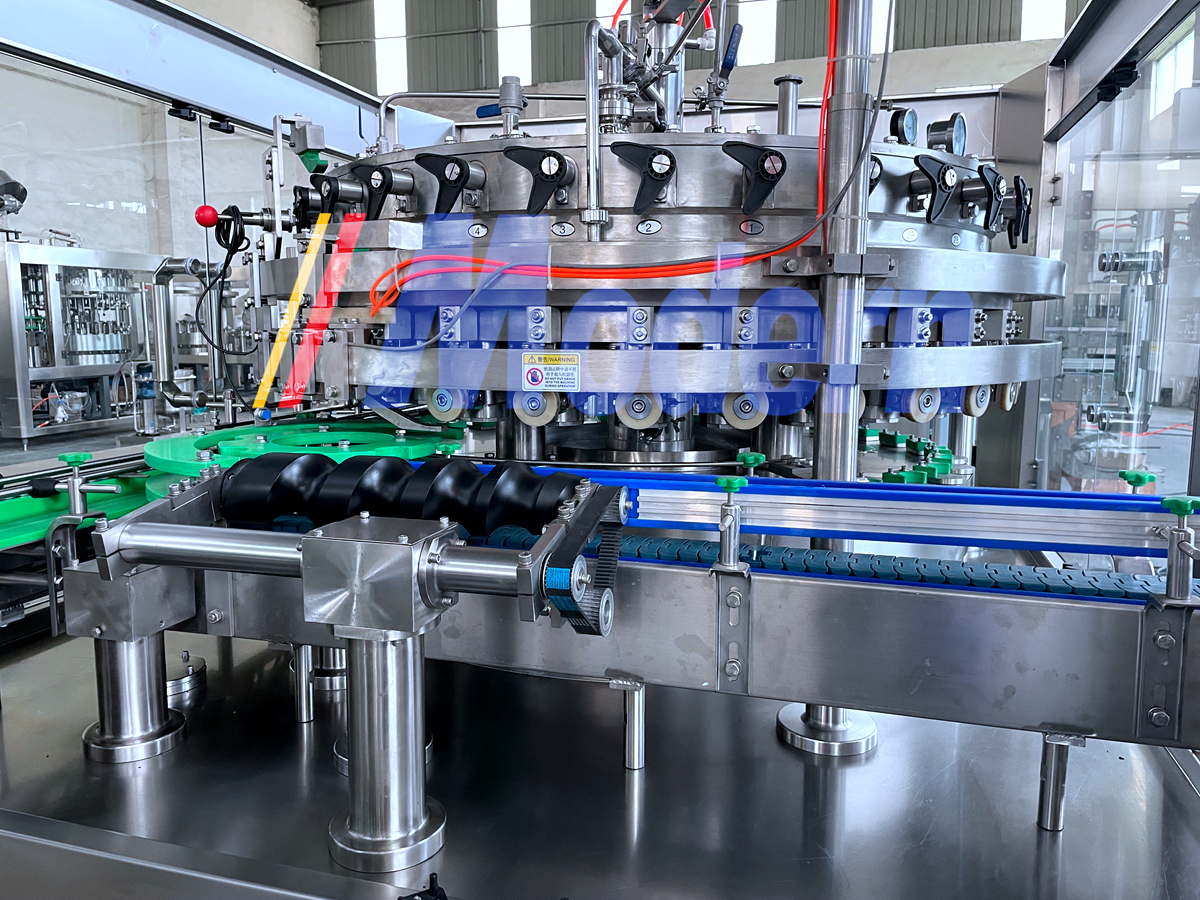
Beer can filling is a crucial aspect of the brewing process that directly impacts the quality and consistency of the final product. While modern can filling machines are efficient and sophisticated, errors can still occur. Understanding common mistakes in beer can filling and knowing how to address them is essential for breweries aiming to maintain high standards and meet consumer expectations. In this comprehensive guide, we will explore various pitfalls in the beer can filling process and provide practical solutions to rectify them.
1. Inconsistent Fill Levels
One of the most prevalent issues in beer can filling is inconsistent fill levels. This can lead to variations in taste, carbonation levels, and even legal compliance problems. The main causes of inconsistent fill levels include improper calibration of filling equipment, fluctuating pressure in the canning line, or issues with the beer flow rate.
Solution:
To address inconsistent fill levels, regularly calibrate and maintain your filling equipment. Monitor and adjust the pressure in the canning line to ensure a steady and accurate fill. Additionally, check and regulate the beer flow rate to achieve a consistent fill level across all cans.
2. Oxygen Exposure
Oxygen exposure during the can filling process can have a detrimental impact on the beer’s flavor, aroma, and shelf life. Common sources of oxygen ingress include improperly sealed cans, excessive foaming during filling, or inadequate purging of oxygen from the can before filling.
Solution:
To minimize oxygen exposure, ensure cans are properly sealed immediately after filling. Optimize the filling process to reduce foaming, which can introduce oxygen into the beer. Implement an effective purging system to remove oxygen from cans before filling to preserve the beer’s freshness and quality.
3. Underfilled or Overfilled Cans
Another common mistake in beer can filling is the occurrence of underfilled or overfilled cans. Underfilled cans can lead to customer complaints and legal issues, while overfilled cans risk spillage, contamination, and operational inefficiencies.
Solution:
Regularly inspect and adjust the fill level settings on your canning equipment to prevent underfilled or overfilled cans. Implement sensors and automation to detect and correct any deviations from the desired fill level, ensuring consistency and accuracy in every can filled.
4. Foaming Issues
Foaming issues can arise during the can filling process, resulting in product loss, inconsistent fill levels, and decreased shelf stability. Common causes of foaming include improper beer temperature, carbonation levels, or filling speed.
Solution:
To address foaming issues, control and maintain the beer temperature within the optimal range for filling. Adjust carbonation levels according to the beer style and packaging requirements. Fine-tune filling speed to minimize turbulence and foam generation, ensuring a smooth and efficient filling process.
5. Sanitation and Hygiene Concerns
Poor sanitation and hygiene practices in the canning line can lead to contamination, off-flavors, and product recalls. Failure to maintain cleanliness in the filling equipment, conveyors, and packaging materials poses a significant risk to beer quality and consumer safety.
Solution:
Establish rigorous sanitation protocols for the canning line, including regular cleaning and sanitization of all equipment and surfaces. Train staff on proper hygiene practices to prevent cross-contamination and ensure compliance with food safety standards. Implement routine quality checks to monitor sanitation levels and address any issues promptly.
6. Canning Line Efficiency
Efficient operation of the canning line is essential for maximizing productivity and minimizing downtime. Inefficient canning line processes, such as slow filling speeds, frequent equipment jams, or inconsistent seam quality, can hinder overall production efficiency and profitability.
Solution:
Optimize the canning line layout and workflow to minimize bottlenecks and optimize the flow of cans throughout the line. Regularly maintain and inspect equipment to prevent jams and malfunctions. Conduct regular seam checks and adjustments to ensure proper sealing and packaging of cans.
Conclusion
Ensuring high-quality beer can filling is essential for breweries to deliver consistent, flavorful products to consumers. By identifying and addressing common mistakes in the can filling process, breweries can enhance product quality, meet industry standards, and maintain customer satisfaction. Implementing proper training, monitoring, and quality control measures will help breweries optimize their can filling operations and uphold their reputation for excellence in the competitive craft beer market.


