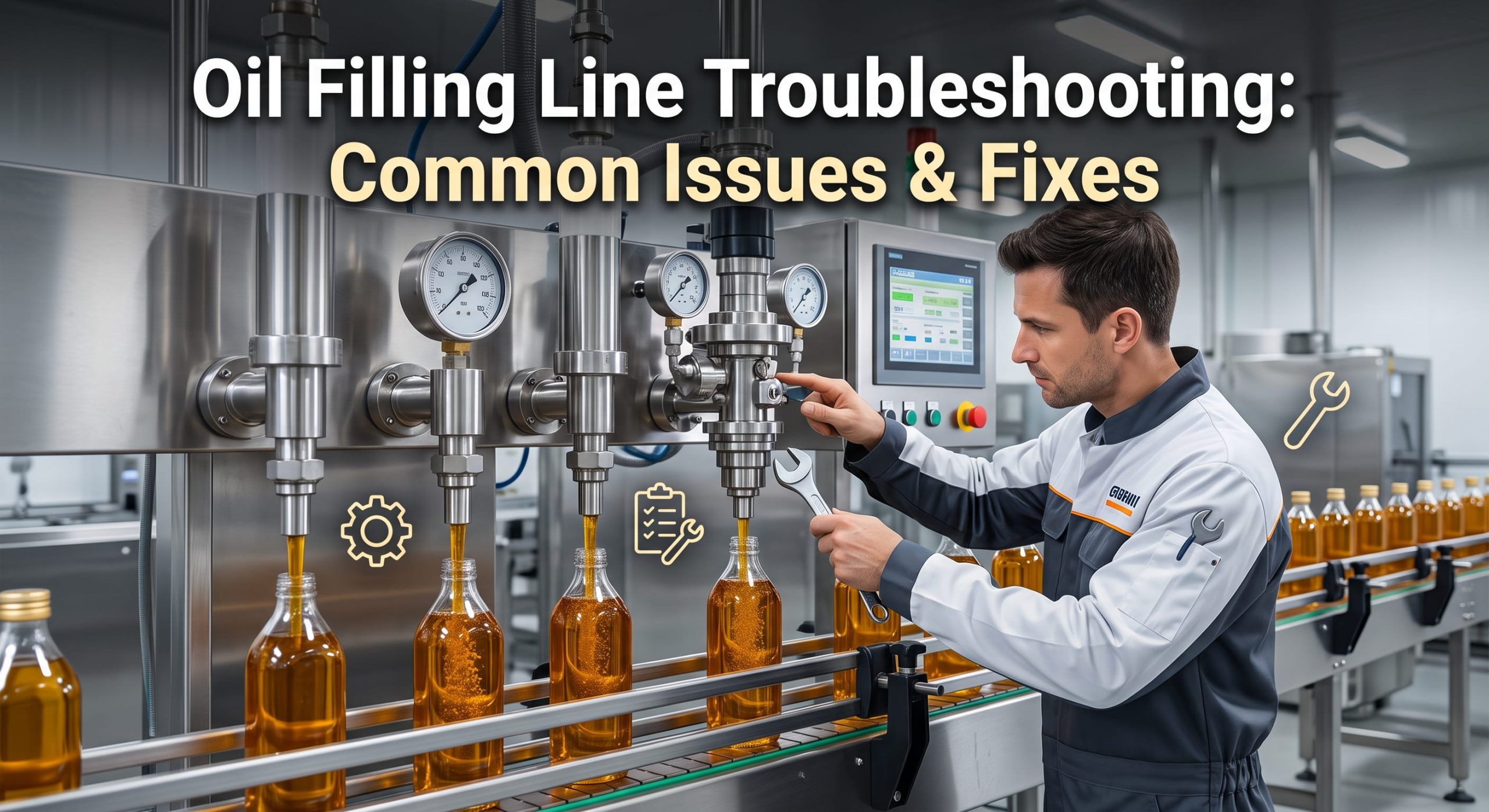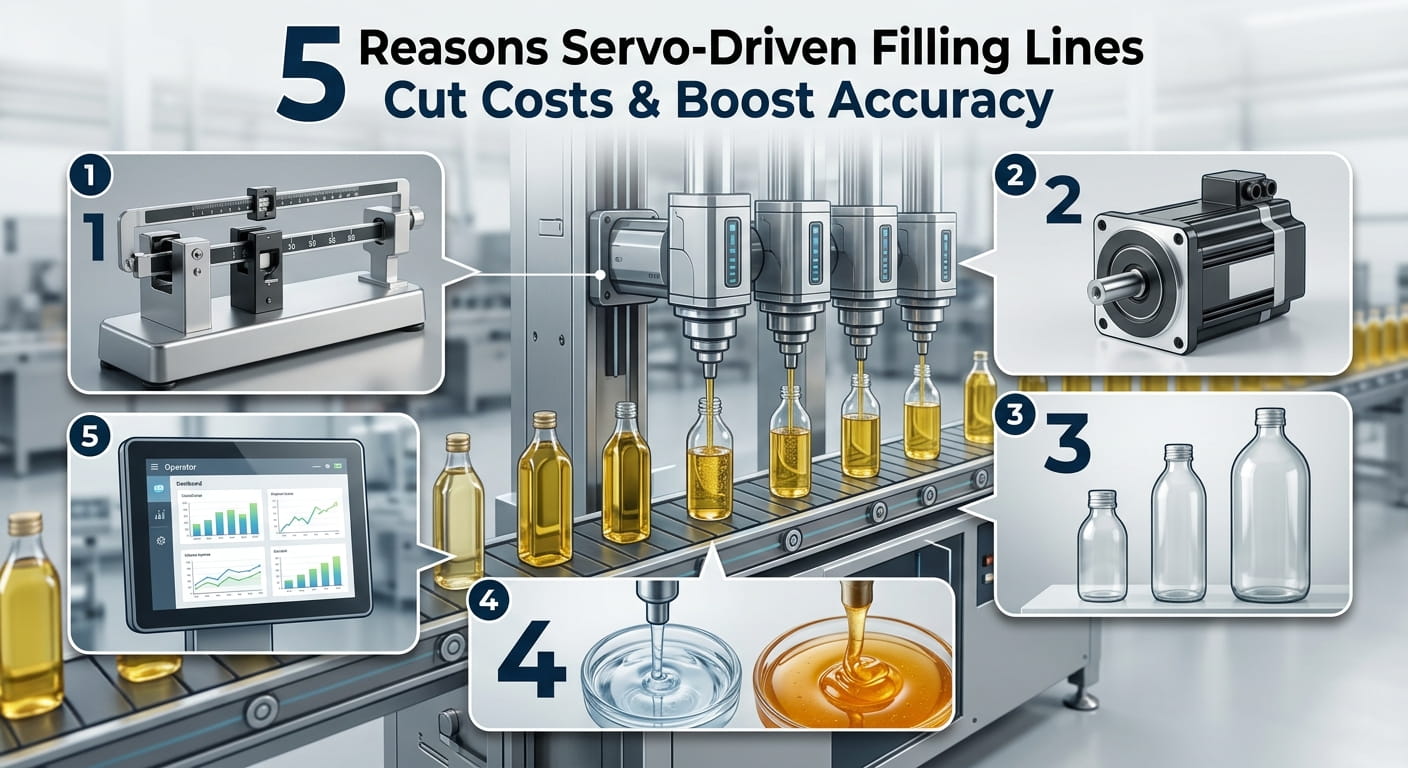
As the demand for juice tea products continues to rise, manufacturers face challenges in ensuring efficient and accurate filling of bottles to meet consumer needs. Juice tea filling machines play a crucial role in this process, but they are not without their issues. In this article, we will discuss common problems that can occur with juice tea filling machines and provide troubleshooting tips to help improve performance and productivity.
1. Inconsistent Filling Levels
One of the most common issues with juice tea filling machines is inconsistent filling levels in bottles. This can lead to product wastage and customer dissatisfaction. To troubleshoot this problem, start by checking the machine’s settings and calibration. Ensure that the settings are adjusted correctly for the specific product being filled. Additionally, inspect the filling nozzles for any blockages or damage that could affect the filling process. Regular maintenance and cleaning of the machine can also help prevent inconsistent filling levels.
2. Leaking or Spillage
Leaking or spillage during the filling process can result in product loss and a messy production line. To address this issue, first, check the seals and gaskets on the filling machine for any signs of wear or damage. Replace any faulty components to prevent leaks. Ensure that the bottles are properly positioned and secured during the filling process to avoid spillage. Adjust the filling speed and pressure according to the viscosity of the juice tea to minimize the risk of leaking.
3. Foaming and Air Pockets
Foaming and air pockets in filled bottles can affect the product quality and lead to underfilled containers. To troubleshoot this issue, check the temperature and pressure settings of the filling machine. High temperatures or excessive pressure can cause foaming during the filling process. Adjust the settings to maintain the ideal conditions for filling juice tea. Additionally, consider using anti-foaming agents or degassing equipment to minimize foaming and air pockets in the product.
4. Clogging of Filling Nozzles
Clogging of filling nozzles can disrupt the filling process and cause delays in production. To prevent nozzle clogging, ensure that the juice tea is filtered before entering the filling machine to remove any particles or debris that could block the nozzles. Regularly clean and maintain the filling nozzles to prevent buildup of residue or product remnants. Adjust the viscosity and temperature of the juice tea to ensure smooth flow through the nozzles and minimize the risk of clogging.
5. Inaccurate Volume Measurement
Accurate volume measurement is essential for maintaining product consistency and meeting regulatory requirements. If the juice tea filling machine is producing inaccuracies in volume measurement, calibrate the machine regularly using precision measuring tools. Check for any mechanical issues, such as worn components or misaligned sensors, that could affect the accuracy of volume measurement. Conduct routine checks and audits to verify the machine’s performance and ensure that it is delivering accurate fill levels.
6. Mechanical Failures
Mechanical failures can disrupt production and lead to downtime in the manufacturing process. To troubleshoot mechanical issues with juice tea filling machines, perform regular maintenance checks to identify any worn or damaged parts that may need replacement. Lubricate moving components to prevent friction and ensure smooth operation of the machine. Train operators on proper machine handling and maintenance procedures to reduce the likelihood of mechanical failures. Have spare parts on hand to quickly replace any components that may fail during production.
Conclusion
Juice tea filling machines play a critical role in the production of beverage products, and addressing common issues with these machines is essential to ensuring efficient and reliable operation. By implementing the troubleshooting tips outlined in this article, manufacturers can improve the performance of their filling machines and enhance product quality. Regular maintenance, calibration, and operator training are key factors in preventing issues and maintaining optimal performance of juice tea filling machines. By taking proactive steps to address common problems, manufacturers can streamline their production processes and meet consumer demand for high-quality juice tea products.