
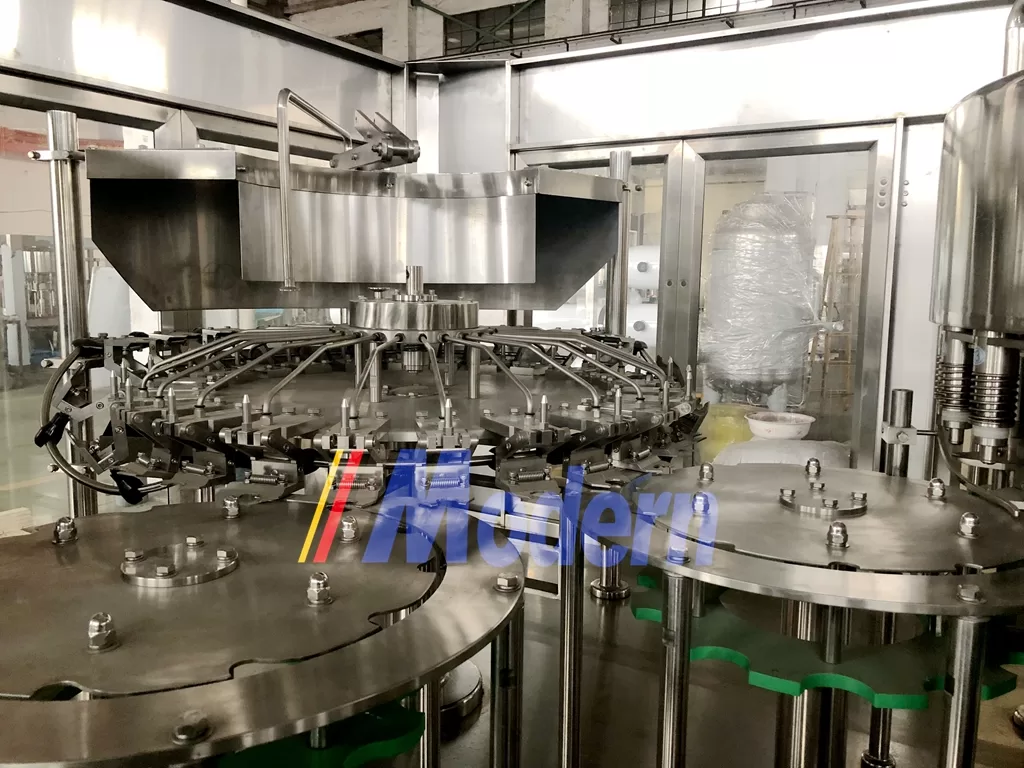
The beverage industry has experienced a paradigm shift in recent years, particularly with the increased demand for packaging that is both efficient and sustainable. One of the most significant developments in this domain is the use of polyethylene terephthalate (PET) bottles. This article delves into the intricacies of bottling lines for PET, examining their components, operational efficiency, benefits, and challenges while providing actionable insights for industry stakeholders.
Understanding PET and Its Popularity
Polyethylene terephthalate (PET) is a thermoplastic polymer resin that has garnered immense popularity due to its lightweight, durability, and excellent barrier properties. Primarily used for packaging carbonated beverages, juices, and water, PET bottles are easily recyclable, making them a favorable choice amid growing environmental consciousness.
The material boasts several advantages, including high impact resistance, clarity, and the ability to be molded into various shapes and sizes. Moreover, PET is resistant to moisture and gas transmission, ensuring that the contents remain fresh for a prolonged period. This level of functionality magnifies its desirability, particularly in a fast-paced industry that demands efficiency and consumer satisfaction.
The Structure of a PET Bottling Line
A PET bottling line comprises several integrated components distinguished by their unique functions. Understanding each section’s role can help industry professionals optimize their operations and enhance production efficiency.
1. Preform Production
The bottling process begins with the production of preforms, which are small test-tube-like containers made of PET. The preform is critical because it determines the final bottle’s shape and structure. Precision in the manufacturing process ensures dimensional accuracy and helps prevent defects during the blowing phase.
2. Injection Molding System
Once preforms are created, they are introduced to the injection molding system. This component melts PET pellets and injects them into a mold to create preforms. Factors such as temperature control and material feed rate are crucial in this phase, ensuring the integrity of the preforms before they transition to the next step.
3. Preform Inspection
Quality control starts with inspecting the preforms for defects. Automated inspection systems equipped with cameras and sensors can detect inconsistencies such as color variations, dimension discrepancies, and surface flaws. Timely identification of defects can significantly reduce waste in the production process.
4. Bottle Blowing
After inspection, the preforms enter the bottle-blowing stage where they are heated and transformed into bottles through a process known as stretch-blow molding. During this procedure, preforms are heated to a specified temperature, and high-pressure air is used to inflate them into the desired shape. The efficiency of the blowing system is pivotal as it influences both the speed of production and the quality of the end product.
5. Filling and Capping
Once the bottles are formed, they move to the filling station. Here, beverage products are dispensed into the bottles under controlled conditions to prevent contamination and preserve product integrity. High-speed filling machines can accommodate various viscosity levels and bottle sizes, ensuring versatility in production.
Following the filling process, bottles are capped. The capping mechanism must ensure a tight seal to maintain product quality while facilitating easy consumer access. Technologies such as induction sealing may be employed to enhance freshness and extend shelf life.
6. Labeling and Coding
Labeling adds brand identity to bottles while also providing consumers with essential information regarding contents, nutrition, and expiration dates. Automated labeling systems can significantly enhance throughput and accuracy, reducing manual labor costs.
Coding is equally important, as it tracks production dates and batch numbers, which are critical should any quality control issues arise in the future.
7. Packaging and Palletizing
The final stage of the bottling line involves packaging and palletizing. Bottles are grouped, wrapped, and stacked onto pallets for transportation and distribution. Automated systems can streamline this process, improving both efficiency and worker safety.
Benefits of Using a PET Bottling Line
The transition to a PET bottling line offers numerous advantages for beverage manufacturers:
1. Cost-Effectiveness
Investing in a PET bottling line can yield significant cost savings over time. While the initial setup may require a considerable investment, the efficient production processes and reduced labor costs often offset this expense within a short period.
2. Sustainability
With global awareness of environmental issues growing, utilizing PET allows manufacturers to align with sustainable practices. PET is inherently recyclable, and many consumers now favor brands that prioritize eco-friendly packaging. By adopting PET bottling lines, companies can improve their sustainability credentials and attract conscientious consumers.
3. Flexibility and Scalability
PET bottling lines can easily adapt to changing market demands. Manufacturers can adjust line configurations to accommodate various bottle sizes, shapes, and production volumes. This flexibility is essential for capitalizing on emerging trends and seasonal fluctuations in consumer demand.
Challenges and Root Causes of Inefficiency
While there are considerable advantages to deploying PET bottling lines, potential challenges must be addressed to optimize performance.
1. Maintenance and Downtime
One of the most significant challenges is machine maintenance. Bottling equipment is subject to wear and tear, which can lead to unplanned downtime and decreased productivity. Implementing a robust maintenance program with scheduled servicing can be a proactive measure to mitigate this issue.
2. Quality Control
Maintaining consistent product quality necessitates meticulous quality control measures at each stage of the bottling process. This may involve investing in advanced inspection technologies for preforms, filled bottles, and labels. Establishing strong quality assurance protocols can significantly enhance overall efficiency.
3. Staff Training
Employee proficiency plays a critical role in the effectiveness of the bottling line. Ongoing training programs that focus on operating equipment efficiently, understanding technology, and adhering to safety protocols can decrease the likelihood of errors and accidents.
Conclusion
In conclusion, PET bottling lines present an efficient and effective solution for beverage manufacturers striving to meet modern consumer demands for quality, sustainability, and operational efficiency. By understanding the various components of a bottling line, appreciating the benefits, and proactively addressing potential challenges, companies can set themselves up for success in a competitive market.
As innovation continues to drive the beverage industry forward, the demand for advanced, sterile, and eco-friendly packaging solutions will undoubtedly remain. Investing in PET bottling lines not only supports operational efficiency but also enhances brand reputation and sustains eco-practices, establishing a company as a forward-thinking leader in the beverage sector.


