
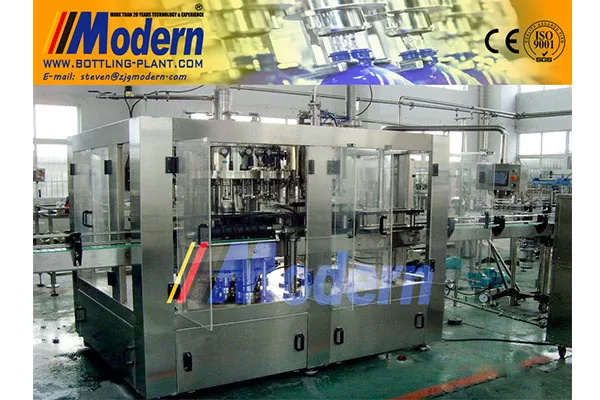
In today’s fast-paced manufacturing environment, efficiency and quality are paramount. With the ever-increasing demand for bottled beverages and products, companies require reliable equipment to maintain high standards. This is where bottle washing, filling, and capping machines come into play. Understanding the various suppliers and what they offer can make a significant difference in optimizing production lines. This article delves into the intricacies of bottle washing, filling, and capping machine suppliers, exploring their importance, key features, and tips for selecting the right supplier for your needs.
The Importance of Automated Packaging Solutions
In the beverage and packaging industry, the efficiency of production lines directly affects a company’s bottom line. Automated packaging solutions, such as bottle washing, filling, and capping machines, streamline the process, reducing labor costs and increasing throughput. These machines ensure that products are not only filled to the correct volume but are also hygienic and securely sealed. Given the industry’s strict quality standards, the role of a reliable supplier becomes crucial.
Types of Bottle Washing, Filling, and Capping Machines
Understanding the types of machines available is crucial when assessing suppliers. Bottle washing, filling, and capping machines can be classified into several categories:
1. Bottle Washing Machines
These machines are designed to clean bottles thoroughly before any filling occurs. They use various washing technologies, including:
- High-pressure jets
- Ultrasonic cleaning
- Chemical washes
Utilizing efficient washing cycles can reduce water and energy consumption, making an eco-friendly choice for manufacturers.
2. Bottle Filling Machines
Filling machines vary based on the product type, including liquid, semi-liquid, and solid products. The main types include:
- Gravity fillers
- Piston fillers
- Vacuum fillers
- Net weight fillers
Each type offers distinct advantages, such as accuracy and speed, tailored to specific industry needs.
3. Bottle Capping Machines
After filling, the capping process is essential to ensure product integrity. Different types of capping machines include:
- Spindle cappers
- Roll-on cappers
- Snap cappers
The choice of capping machine will depend on the bottle design and the type of closure used, underscoring the need for a diverse supplier base.
Key Features to Look for in Suppliers
When evaluating suppliers for bottle washing, filling, and capping machines, there are several key features to consider:
1. Customization Options
Every production line is unique, and a one-size-fits-all approach may not be appropriate. Look for suppliers who offer customization options, allowing you to tailor machines to fit your specific processing needs, including machine size, speed, and the features suitable for your bottle type.
2. Technology and Innovation
Technology is constantly evolving, and suppliers who invest in research and development are likely to offer superior efficiency and reliability in their machinery. Machine automation, remote monitoring, and IoT capabilities are significant considerations in today’s market.
3. Quality Standards and Certifications
Ensure that your prospective supplier adheres to global quality standards. Look for certifications such as ISO 9001 or CE certification, which indicate compliance with strict quality on equipment safety and performance.
4. Support and Service
A reliable supplier should provide comprehensive support and after-sales service. Check if they offer training, maintenance service, and an accessible customer service team capable of addressing technical queries promptly.
Evaluating Supplier Reputation and Experience
The reputation and experience of a supplier can significantly influence your decision. Here are strategies to evaluate potential suppliers:
1. Reviews and Testimonials
Customer testimonials can provide invaluable insights into a supplier’s capabilities. Look for reviews on independent platforms, trade forums, or social media. Positive feedback from other manufacturers in your industry can signify a reliable partner.
2. Case Studies
Ask potential suppliers for case studies or examples of previous successful implementations. This will help you understand their expertise and the types of problems they have successfully solved for other clients.
3. Industry Experience
Consider how long the supplier has been in the market. A supplier with extensive experience is likely to have faced various challenges and developed several effective solutions over time, enhancing their reliability.
Practical Steps for Engaging with Suppliers
Once you’ve identified potential suppliers, the engagement process can begin effectively:
1. Initial Consultations
Initiate contact with suppliers to discuss your specific needs. An initial consultation can provide insights into their understanding of your requirements and their ability to meet them adequately.
2. Request Detailed Quotes
After discussions, request detailed quotes, considering all aspects such as machine costs, delivery timelines, and warranties. Transparent quotes will help avoid any hidden costs later in the process.
3. Site Visits and Machine Demonstrations
Whenever possible, perform site visits to the supplier’s factory. Observing their production processes firsthand offers valuable insights into their operational capabilities. Request machine demonstrations to evaluate performance standards in real-life scenarios.
Conclusion
The efficiency of a production line relies heavily on the quality of equipment used, notably in the washing, filling, and capping stages. Suppliers who can provide robust, efficient, and customizable solutions play a pivotal role in optimizing production processes. By thoroughly evaluating suppliers based on their technological innovation, customization options, quality standards, and reputation, companies can secure a partnership that enhances operational efficacy and meets industry demands.
As the beverage and packaging sectors continue to evolve, staying informed about the latest trends and technologies in bottle washing, filling, and capping machinery will provide a competitive edge in the marketplace. Make proactive decisions about engaging with suppliers, ensuring that your production lines not only meet but exceed the high standards of quality and efficiency required in the industry today.


