
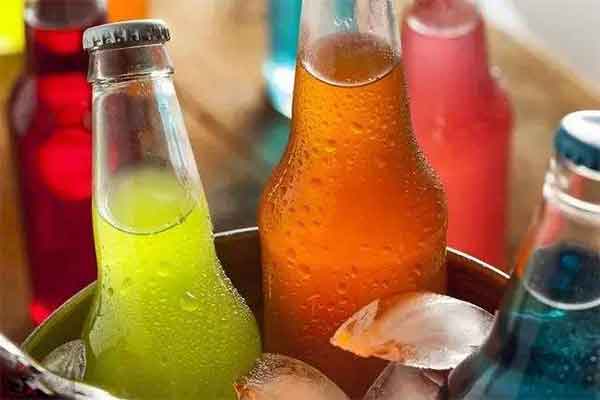
The modern landscape of manufacturing has evolved tremendously, particularly in the beverage industry, where efficiency, precision, and quality control are paramount. One key aspect that plays a pivotal role in this evolution is the bottle filling production line. Understanding its components, benefits, and operational insights is essential for manufacturers looking to enhance production efficiency and meet market demands. This article will delve into the intricacies of bottle filling production lines, exploring various aspects that are crucial for successful implementation and operation.
Understanding the Bottle Filling Production Line
A bottle filling production line is a series of interconnected machines and equipment designed to streamline the process of filling bottles with liquids, whether they be carbonated drinks, juices, water, or any other perishable or non-perishable liquids. The entire process is automated, allowing for a high volume of production while minimizing human error. Key components of a bottle filling production line typically include bottle washers, fillers, cappers, and labeling machines, alongside conveyor systems to transport bottles between stages.
Components of a Bottle Filling Production Line
1. Bottle Washers
Before filling bottles, ensuring they are clean is critical to maintaining product quality and safety. Bottle washers use jets of water and cleaning solutions to remove contaminants. Depending on the type of product being filled, rinsing may also include sanitizing agents to eliminate bacteria.
2. Fillers
The filling machine is the heart of the production line. There are various types of fillers, including gravity, pressure, and vacuum fillers. Each operates on different principles suitable for various types of liquids. For example, gravity fillers are ideal for thin liquids, while pressure fillers are often used for thicker products. Advanced systems employ sensors to ensure precise filling levels, thereby eliminating product waste and maintaining consistency across batches.
3. Cappers
After filling, the bottles must be sealed. Capping machines utilize different capping techniques based on the type of closure—be it screw caps, corks, or snap-on caps. Proper sealing is critical for preventing contamination and ensuring the longevity of the product.
4. Labeling Machines
Once filled and sealed, bottles need to be labeled appropriately. Labeling machines apply adhesive labels that provide critical information to the consumer, including product details, nutritional information, and barcodes for inventory management.
5. Conveyor Systems
Conveyors play a significant role in enhancing the efficiency of production lines. They connect various stages, allowing for seamless transition of bottles from one machine to another. Automated conveyor systems can also be equipped with sensors to detect jams or faulty products, activating error-handling protocols.
Benefits of an Efficient Bottle Filling Production Line
Adopting a well-designed and efficient bottle filling production line yields several key benefits for manufacturers:
1. Increased Production Speed
Automation significantly speeds up the filling process compared to manual methods. High-speed machines can fill thousands of bottles per hour, making it easier for manufacturers to meet growing consumer demand.
2. Enhanced Quality Control
Advanced filling systems come with built-in quality control measures. Sensors can monitor fill levels, reject improperly filled bottles, and ensure that contamination levels remain within acceptable limits. This proactive approach to quality assurance enhances product integrity and consumer trust.
3. Labor Efficiency
By automating the filling process, businesses can reduce their dependence on manual labor, allowing workers to focus on higher-level tasks that add greater value to the operation. This shift not only enhances productivity but also reduces labor costs.
4. Scalability
As demand fluctuates, manufacturers can adjust their operations swiftly by investing in additional machinery or upgrading existing equipment. Scalable bottle filling lines can help businesses adapt to changing market conditions without significant downtime.
Key Considerations for Implementing a Bottle Filling Production Line
While the benefits are substantial, successfully implementing a bottle filling production line requires careful consideration of several factors:
1. Analyze Product Characteristics
The first step in choosing the right filling system is to understand the properties of the liquid being processed. The viscosity, carbonation, and chemical composition will dictate the type of filling equipment needed.
2. Space and Layout Planning
Evaluate the available floor space and plan the layout of the production line accordingly. Ensuring an efficient flow of bottles from one workstation to another minimizes bottlenecks and optimizes operational efficiency.
3. Maintenance and Downtime Management
Routine maintenance is crucial for the sustainability of a bottle filling production line. Establishing a preventive maintenance schedule helps mitigate the risk of unexpected breakdowns, reducing costly downtime.
4. Compliance with Safety Regulations
Manufacturers must adhere to local and international safety and quality regulations when setting up their production lines. This includes ensuring that all equipment meets health and safety standards, particularly when dealing with food and beverage products.
Future Trends in Bottle Filling Technology
The beverage industry continues to change, and so does the technology behind bottle filling production lines. Keeping abreast of emerging trends can help manufacturers maintain a competitive edge:
1. Eco-Friendly Packaging Solutions
As sustainability becomes more prioritized, companies are increasingly seeking eco-friendly bottle options. Production lines will eventually need to adapt to handle alternative materials, such as biodegradable bottles or those made from recycled materials.
2. Industry 4.0 and Automation
Industry 4.0 technologies, including artificial intelligence (AI) and the Internet of Things (IoT), will revolutionize production lines. Smart machines that communicate with each other can optimize efficiency, monitor performance, and predict when maintenance is needed, further reducing downtime.
3. Flexible Manufacturing Systems
Flexibility in production will become more crucial as consumer preferences shift. Modular filling lines that can be reconfigured quickly to accommodate different bottle sizes, shapes, and types will remain desirable.
Conclusion
In conclusion, a bottle filling production line is a fundamental element of modern beverage manufacturing. By understanding the intricacies of its components, recognizing its benefits, and addressing critical considerations when implementing one, manufacturers can significantly enhance their operational efficiency. Staying informed about future trends will further enable businesses to adapt to the rapidly changing marketplace, ensuring sustained growth and success in an increasingly competitive sector.


