
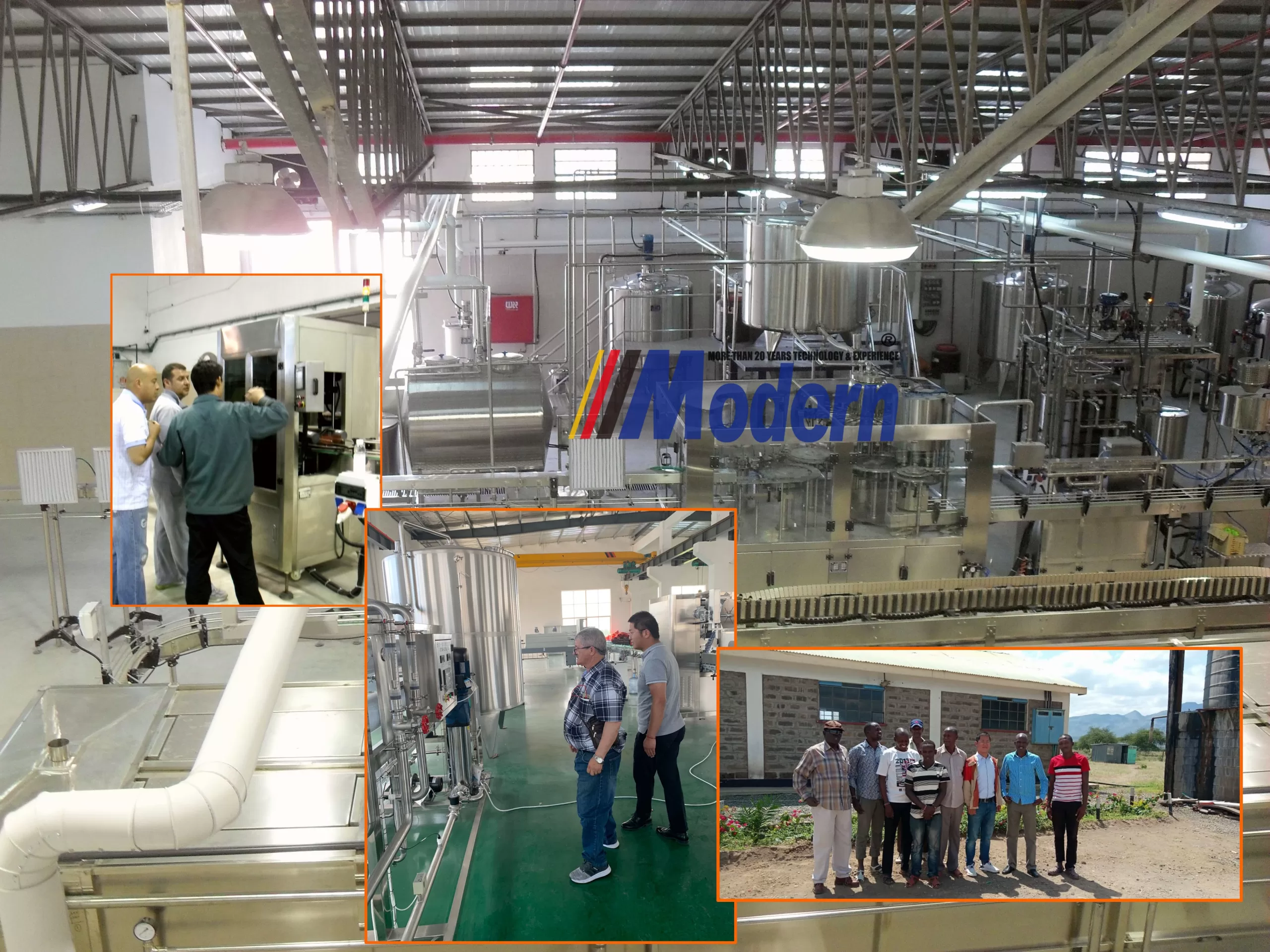
In the ever-evolving landscape of food and beverage manufacturing, efficiency and consistency have become critical components of production processes. Among the myriad of tools that facilitate these attributes, bottle filling machines stand out as essential equipment for any company engaged in bottling liquids. This article delves into the intricacies of bottle filling machines in Canada, examining their types, operational principles, advantages, and considerations for procurement.
Understanding Bottle Filling Machines
Bottle filling machines are specialized pieces of equipment designed to dispense liquids into containers, such as bottles or jars, with precision and speed. These machines are crucial in various industries, including beverage production, pharmaceuticals, cosmetics, and chemicals. The right filling machine can significantly enhance productivity while minimizing waste and reducing the potential for contamination.
Types of Bottle Filling Machines
In Canada, several types of bottle filling machines are available, each catering to different production needs and liquid types. Understanding these types can help businesses make informed decisions about which machine to invest in.
- Gravity Fillers: These machines utilize gravity to facilitate the filling process. They are ideal for thin, free-flowing liquids such as water and juices. Gravity fillers are often affordable and easy to operate, making them a popular choice for small to medium-sized enterprises.
- Pressure Fillers: Used principally for carbonated beverages, pressure fillers operate by filling bottles while maintaining internal pressure. This technique prevents foaming and preserves product quality, making it suitable for beer and soda manufacturers.
- Piston Fillers: Piston filling machines measure out precise volumes of thicker liquids using a piston mechanism. They are versatile and can handle a variety of liquid viscosities, making them ideal for syrups, sauces, and creams.
- Volumetric Fillers: These machines fill bottles based on predetermined volume settings and are ideal for both thin and thick liquids. They ensure accuracy and are suitable for high-production environments.
- Electronic Fillers: Advanced electronic filling machines utilize sensors and software to control the filling process. These machines provide high accuracy and can easily be integrated into automated production lines.
Key Features to Consider
When selecting a bottle filling machine, it is essential to consider vital features that can influence overall efficiency and cost-effectiveness.
Production Capacity
The production capacity of a filling machine should match your output requirements. Machines can vary significantly in their filling speeds, measured in bottles per minute (BPM). Analyzing your production demands ensures you invest in equipment that can keep pace with business growth.
Compatibility with Liquid Types
Different machines are designed for different liquid viscosities. Assessing the physical properties of the liquid you intend to fill is critical for performance efficiency. For example, thicker liquids like pasta sauces require a piston filler, while lighter liquids work well with gravity fillers.
Ease of Cleaning and Maintenance
In industries such as food production and pharmaceuticals, sanitation is paramount. Choose machines that allow for easy disassembly and cleaning to comply with health and safety regulations.
Automation and Integration
Automation plays a vital role in improving efficiency. Many modern filling machines can be integrated into automated production lines, reducing labor costs and human error. Assess your workflow and determine how filling machines can fit into your overall production processes.
Benefits of Investing in Bottle Filling Machines
The advantages of implementing bottle filling machines in a production line are numerous and vary by industry.
Enhanced Efficiency
One of the most significant benefits is the enhanced efficiency achieved through rapid filling processes. Bottle filling machines can fill large quantities of liquid in a fraction of the time it would take manual labor, substantially increasing overall productivity.
Consistency and Accuracy
Filling machines offer a level of accuracy that is difficult to achieve manually. This ensures that each bottle contains the correct volume of liquid, reducing waste and increasing customer satisfaction.
Labor Cost Savings
Automating the filling process reduces dependency on manual labor, potentially leading to significant cost savings in labor expenses. Moreover, it allows employees to focus on more strategic tasks within the operation.
Enhanced Safety
By minimizing manual handling of liquids, especially hazardous or heavy materials, filling machines improve safety standards within the workplace environment.
Evaluating Vendors and Suppliers in Canada
Choosing the right vendor or supplier for a bottle filling machine is crucial for long-term success. Here are some actionable tips for evaluating potential partners:
Research and Reviews
Conduct thorough research and read customer reviews and testimonials. Understanding a vendor’s reputation can provide insights into the reliability and performance of their machines.
After-Sales Support
Strong after-sales support is essential for maintenance and troubleshooting. Choose suppliers that offer comprehensive customer service, training, and support should issues arise after purchase.
Customization Options
As businesses differ in their operational needs, look for suppliers that provide customization options for their machines. Customized solutions can lead to more efficient operations tailored to specific product requirements.
Legal and Regulatory Compliance
In Canada, manufacturers must adhere to various laws and regulations pertaining to food safety and equipment usage. Ensure that any bottle filling machine purchased is compliant with industry standards set forth by regulatory bodies, such as the Canadian Food Inspection Agency (CFIA) and the Canadian Standards Association (CSA).
Conclusion
Investing in a bottle filling machine is a strategic move for any business involved in the bottling of liquids. Understanding the different types, their features, and the associated benefits is essential for making informed procurement decisions. By carefully evaluating vendors and ensuring compliance with Canadian regulations, businesses can enhance their production capabilities while maintaining high-quality standards.
In a competitive marketplace, adopting the right technology can define the success of your operation. Whether you are a small startup or an established company looking to optimize production, a bottle filling machine can prove to be a valuable asset in your manufacturing toolkit.


