
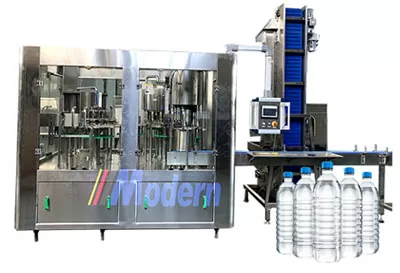
The beverage industry is a dynamic and rapidly evolving sector that continues to captivate both consumers and investors alike. At the heart of this industry lies an intricate network of processes designed to ensure the efficient and effective packaging of beverages. Bottling lines, specifically, play a pivotal role in maintaining product quality while optimizing production efficiency. This article delves into the various aspects of beverages bottling lines, offering insights, best practices, and recommendations for businesses aiming to thrive in this competitive landscape.
Understanding Beverages Bottling Lines
Beverages bottling lines refer to the assembly of machines and equipment used to package drinks—be it water, soda, juice, or alcoholic beverages—into their final containers. The bottling process involves several key stages, including rinsing, filling, capping, labeling, and packing. Each stage is vital for ensuring that the beverage remains safe for consumption and meets the expected quality standards.
The Importance of Efficient Bottling Lines
Efficiency in bottling operations is paramount for several reasons:
1. Cost Reduction
Streamlined bottling processes reduce labor and energy costs, which positively impacts the overall production budget. An efficient line minimizes the time spent on each stage, leading to increased output and reduced overheads.
2. Quality Assurance
Implementing advanced machinery and automation technologies ensures that the beverages are bottled under strict hygiene standards. This is critical not only for regulatory compliance but also for building consumer trust in product safety and quality.
3. Flexibility and Scalability
A well-designed bottling line can adapt to changing market demands, allowing businesses to scale up or down production as needed. This flexibility is key in an industry where consumer preferences can shift dramatically over short periods.
Key Components of a Bottling Line
A comprehensive beverages bottling line comprises several essential components that work in harmony to achieve optimal performance:
1. Rinsing Stations
Prior to filling, containers must be thoroughly rinsed to eliminate contaminants. Rinsing stations utilize high-pressure water jets or rinse solutions, ensuring every bottle is clean and ready for the next stage.
2. Filling Machines
Filling machines are at the core of the bottling process. They accurately dispense the beverage into containers, ensuring consistency and minimizing spillage. Depending on the beverage type, there are various filling options available, including gravity, vacuum, and pressure filling systems.
3. Capping and Sealing Equipment
Once filled, bottles need to be securely capped. Capping machines can handle various types of closures, from screw caps to corks, depending on the product requirements. Proper sealing is crucial for preserving freshness and preventing leaks.
4. Labeling and Packaging
Labeling provides essential information about the product and enhances brand recognition. Modern labeling machines can efficiently apply labels with precision, ensuring they adhere correctly to each container. After labeling, the bottled products are often grouped into cases or pallets for shipment.
5. Quality Control Systems
Quality control is a critical component in preventing defective products from reaching consumers. Implementing automated inspection machines that check for fill levels, label placement, and bottle integrity can ensure that all products meet specified standards.
Choosing the Right Bottling Line Equipment
Selecting the appropriate machinery for a beverages bottling line requires careful consideration of various factors:
1. Production Volume
The size of your operation significantly influences your equipment choices. High-volume producers may benefit from advanced automated systems, while smaller operations might opt for semi-automated machines.
2. Beverage Type
Different beverages require different handling and filling processes. For example, carbonated drinks need specialized filling equipment that accommodates the pressure, while fragile products, like juices, may require gentle handling processes.
3. Budget Constraints
The cost of equipment can vary widely. It’s essential to balance your budget with your operational needs, exploring financing options if necessary to acquire optimal machinery without compromising quality.
4. Future Scalability
Your bottling line should not only meet current demands but also allow for future growth. Investing in modular systems can provide the flexibility needed to adapt to market changes.
Best Practices for Running a Bottling Line
Once the right equipment is in place, implementing best practices can further enhance the efficiency and quality of your bottling operations:
1. Regular Maintenance
Continuous maintenance of machinery is essential. Scheduled maintenance checks can prevent costly downtimes and ensure that all equipment operates efficiently.
2. Employee Training
Workers should be thoroughly trained on the machinery and processes. Well-informed staff can respond quickly to any issues that arise and maintain high production standards.
3. Monitoring and Data Analysis
Utilizing monitoring systems to collect data on production rates and efficiency will help identify areas for improvement. Analysis of this data can inform decisions on process modifications or equipment upgrades.
4. Safety Protocols
Safety regulations must be strictly adhered to in order to protect both employees and products. Ensure that all safety measures are in place and that staff are trained to follow these protocols.
Innovation in Bottling Technology
The advancements in bottling technology are continually reshaping the landscape of the beverage industry. Here are some noteworthy innovations:
1. Automation and Robotics
Automated systems are revolutionizing bottling lines, increasing speed and efficiency. Robotics can handle tasks ranging from palletizing to quality assurance, reducing labor costs and enhancing consistency.
2. Smart Technology Integration
Smart sensors and IoT devices are being integrated into bottling lines to provide real-time data on equipment performance and production metrics, allowing for proactive management and troubleshooting.
3. Eco-Friendly Solutions
As sustainability becomes a priority for consumers, bottling lines are evolving to use less energy, reduce waste, and incorporate recyclable materials in packaging, aligning with eco-friendly practices.
Conclusion
Investing in an efficient bottling line is critical for businesses in the beverage industry looking to enhance productivity, reduce costs, and ensure the safety of their products. By understanding the components and operations of bottling lines, implementing best practices, and embracing innovation, producers can stay competitive and meet the ever-changing needs of consumers. As the market continues to grow, those who prioritize efficiency, quality, and sustainability will not only survive but thrive in this vibrant industry.


