
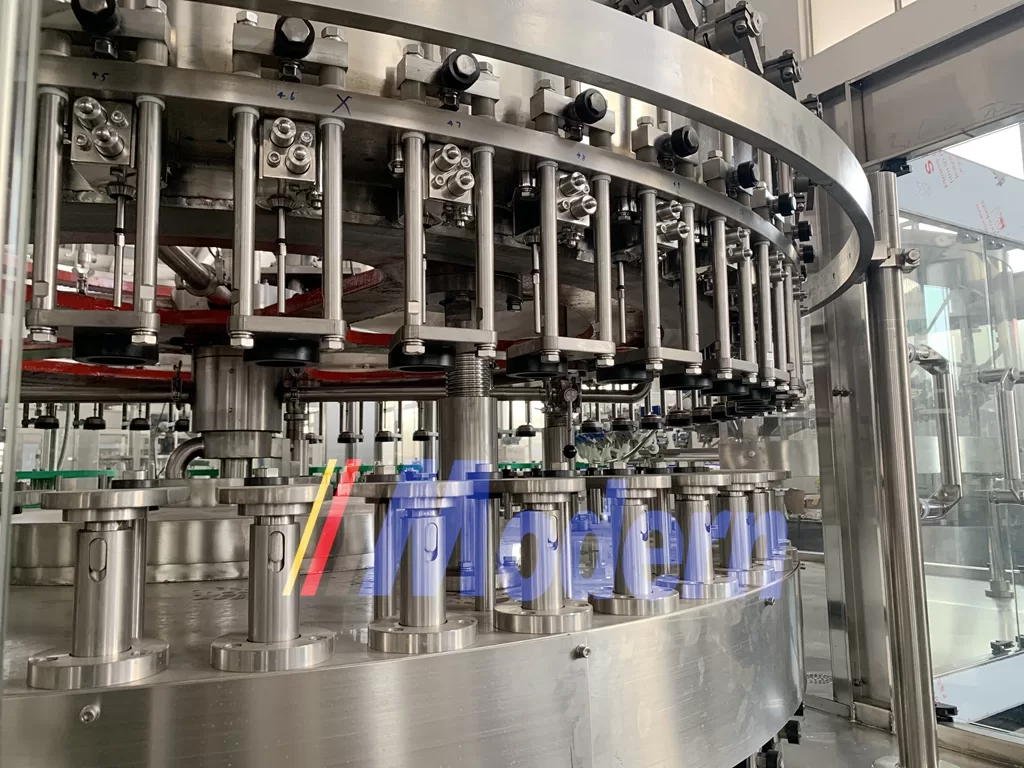
In the world of beer production, efficiency is key to meeting the demands of consumers and staying competitive in the market. One crucial aspect of optimizing efficiency in a brewery is the layout of the beer filling line. By strategically designing and organizing the filling line, breweries can maximize output, minimize downtime, and ensure consistent quality across their product range.
Importance of Efficient Beer Filling Line Layouts
Efficient beer filling line layouts are essential for breweries looking to streamline their production processes and improve overall performance. A well-designed filling line can help reduce bottlenecks, prevent product wastage, and enhance the speed and accuracy of the filling process. By optimizing the layout, breweries can increase their output capacity, enhance product quality, and ultimately boost their bottom line.
Key Considerations for Designing Beer Filling Line Layouts
When designing a beer filling line layout for maximum efficiency, breweries should consider several key factors:
1. Space Utilization
Optimizing space utilization is critical for ensuring smooth operations on the filling line. Breweries should carefully plan the layout to minimize wasted space and make efficient use of available floor space. This can involve strategically positioning equipment, ensuring proper workflow, and minimizing unnecessary movements.
2. Workflow Efficiency
The workflow on the filling line should be carefully mapped out to ensure a continuous and streamlined process. Each step in the filling process should be optimized to minimize wait times, reduce the risk of errors, and ensure a consistent product flow from start to finish.
3. Equipment Placement
Placement of equipment plays a crucial role in the efficiency of the beer filling line. Breweries should consider factors such as the proximity of equipment, ease of access for maintenance, and ergonomic considerations for operators. By placing equipment strategically, breweries can improve workflow efficiency and reduce the risk of production disruptions.
4. Cleaning and Maintenance Accessibility
Easy access for cleaning and maintenance is essential for maintaining a hygienic and efficient filling line. Breweries should design the layout in a way that allows for easy cleaning and maintenance of equipment to prevent contamination and ensure optimal performance.
5. Quality Control Checkpoints
Incorporating quality control checkpoints at various stages of the filling process is crucial for maintaining product quality and consistency. Breweries should include checkpoints for monitoring fill levels, checking for leaks, and ensuring proper labeling to prevent quality issues and minimize waste.
Best Practices for Optimizing Beer Filling Line Efficiency
Implementing the following best practices can help breweries optimize the efficiency of their beer filling line:
1. Invest in Automation
Automation technologies can significantly enhance the speed and accuracy of the filling process. By investing in automated filling equipment, breweries can improve efficiency, reduce labor costs, and minimize the risk of human error.
2. Standardize Processes
Standardizing processes on the filling line can help increase efficiency and consistency. Breweries should establish clear guidelines and procedures for each step of the filling process to ensure a systematic and error-free operation.
3. Train Operators Effectively
Proper training of operators is essential for optimizing efficiency on the filling line. Breweries should provide comprehensive training programs to ensure that operators understand the equipment, processes, and quality standards involved in the filling operation.
4. Implement Lean Manufacturing Principles
Applying lean manufacturing principles can help breweries identify and eliminate waste in the filling process. By streamlining workflows, reducing downtime, and optimizing resource utilization, breweries can enhance efficiency and drive continuous improvement.
5. Monitor Performance Metrics
Regularly monitoring performance metrics such as throughput, downtime, and error rates can provide valuable insights into the efficiency of the filling line. Breweries should track key performance indicators and use data to identify areas for improvement and drive operational excellence.
Conclusion
Efficient beer filling line layouts are essential for maximizing productivity, ensuring product quality, and driving competitiveness in the brewery industry. By carefully designing and optimizing the layout of the filling line, breweries can streamline operations, minimize waste, and deliver exceptional products to consumers. By following best practices and incorporating key considerations in the design process, breweries can achieve maximum efficiency and position themselves for success in a competitive market.
For breweries looking to stay ahead in the industry, investing time and resources into optimizing the beer filling line layout is a strategic move that can yield significant long-term benefits.


