
Introduction
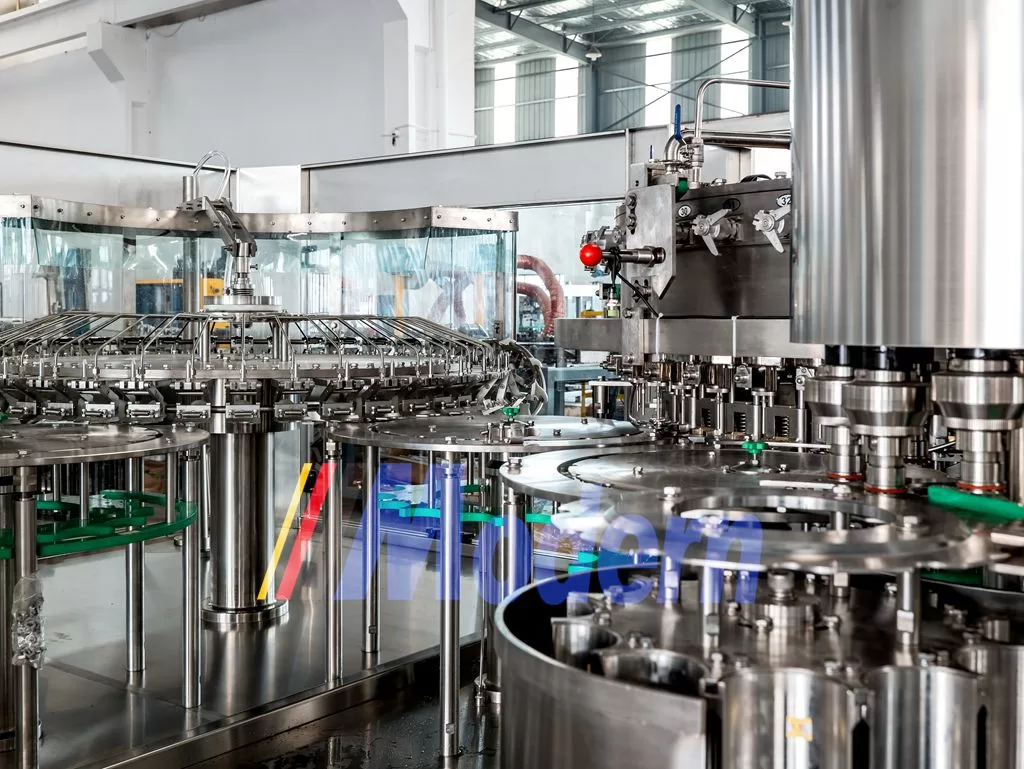
In recent years, the beverage manufacturing industry has witnessed a significant transformation driven by automation trends. As technology continues to advance, automated systems are revolutionizing the way beverages are produced, creating more efficient and streamlined processes. This article delves into the automation trends in beverage manufacturing that industry professionals and businesses cannot afford to overlook.
Benefits of Automation in Beverage Manufacturing
Automation in beverage manufacturing offers a myriad of benefits, including increased production efficiency, reduced labor costs, improved quality control, and enhanced safety measures. By implementing automated systems, companies can optimize their operations, minimize errors, and boost overall productivity.
Advantages for Businesses
– Enhanced speed and accuracy in production processes
– Cost savings through reduced manual labor requirements
– Consistent quality control and product standardization
– Increased flexibility to adapt to changing market demands
Types and Categories of Automation in Beverage Manufacturing
There are various types and categories of automation used in beverage manufacturing, ranging from bottling and packaging to quality assurance and logistics management. Common automation technologies include robotics, smart sensors, Internet of Things (IoT) devices, and data analytics systems. Each type serves a specific purpose in optimizing different stages of the production process.
Variations in Automated Systems
– Automated filling and capping machines
– Conveyor systems for seamless material handling
– Quality control sensors for detecting defects in products
– Inventory management software for efficient stock tracking
Applications and Use Cases
Automation in beverage manufacturing is applied across different stages of the production lifecycle. From raw material processing to packaging and distribution, automated systems play a crucial role in ensuring optimal efficiency and quality standards.
Real-World Scenarios
– Automated bottling lines increasing production capacity by 30%
– Robotic palletizing systems reducing manual labor by 50%
– IoT-enabled sensors monitoring plant operations in real-time for predictive maintenance
Technical and Operational Details
Understanding the technical aspects of automation systems is essential for beverage manufacturers looking to implement these technologies in their production facilities. From control systems to integration processes, a deep dive into the operational details can help optimize system performance.
Key Specifications and Features
– Precision control systems for accurate filling and sealing processes
– Interface compatibility for seamless integration with existing machinery
– Remote monitoring capabilities for real-time diagnostics and maintenance alerts
Best Practices and Maintenance Tips
Ensuring the longevity and effectiveness of automated systems requires following best practices and implementing regular maintenance routines. By adhering to industry-recommended guidelines, beverage manufacturers can maximize the benefits of automation while minimizing downtime and disruptions.
Practical Advice for Users
– Conduct regular system audits to identify potential areas for improvement
– Train staff on operating and troubleshooting automated equipment
– Schedule preventive maintenance tasks to avoid unexpected breakdowns
Market Trends and Industry Insights
The beverage manufacturing industry is constantly evolving, with new trends and innovations shaping the landscape. By staying informed about market trends and industry insights, businesses can stay ahead of the curve and implement the latest automation technologies to remain competitive.
Emerging Innovations
– Artificial intelligence-driven predictive maintenance for proactive equipment servicing
– Cloud-based data analytics platforms for real-time performance monitoring
– Sustainable packaging solutions integrated with automated production lines
Challenges and Solutions
While automation brings numerous benefits to beverage manufacturing, it also presents unique challenges that companies must address. From initial implementation hurdles to ongoing system maintenance, understanding these challenges and implementing effective solutions is crucial for long-term success.
Addressing Common Problems
– Overcoming resistance to change among employees during the automation transition
– Ensuring system compatibility and seamless integration with existing infrastructure
– Dealing with cybersecurity threats and protecting sensitive data in automated systems
Sustainability and Future Outlook
In an era where sustainability is paramount, beverage manufacturers are leveraging automation technologies to minimize environmental impacts and enhance operational efficiency. Looking ahead, the future of automation in beverage manufacturing is poised to drive further innovation and sustainability initiatives.
Environmental Impact and Efficiency
– Energy-efficient automated systems reducing carbon footprint
– Waste reduction through precise packaging and material utilization
– Adoption of renewable energy sources to power automated production processes
In conclusion, automation trends in beverage manufacturing are shaping the industry’s future, offering unparalleled efficiency, quality control, and sustainability advantages. By embracing these trends and staying abreast of technological advancements, businesses can unlock new opportunities for growth and success in the competitive global market.


