Efficient and well-organized bottling line layouts are crucial for ensuring the smooth operation of a production facility. When it comes to packaging edible oils, precision and hygiene are paramount. In this article, we will delve into the key considerations and practical tips for designing an automatic edible oil bottling line layout that maximizes productivity and quality.
1. Understanding the Production Process
Before setting up the bottling line layout, it is essential to have a comprehensive understanding of the production process. Identify the different stages involved in bottling edible oil, including filling, capping, labeling, and packaging. Each stage should flow seamlessly into the next to avoid bottlenecks and ensure efficient production.
2. Optimal Equipment Placement
Strategically placing equipment along the bottling line can significantly impact efficiency. Ensure that the machinery is arranged in a logical sequence, with minimal distances between each station. This layout minimizes product handling and reduces the risk of contamination.
2.1 Filling Station
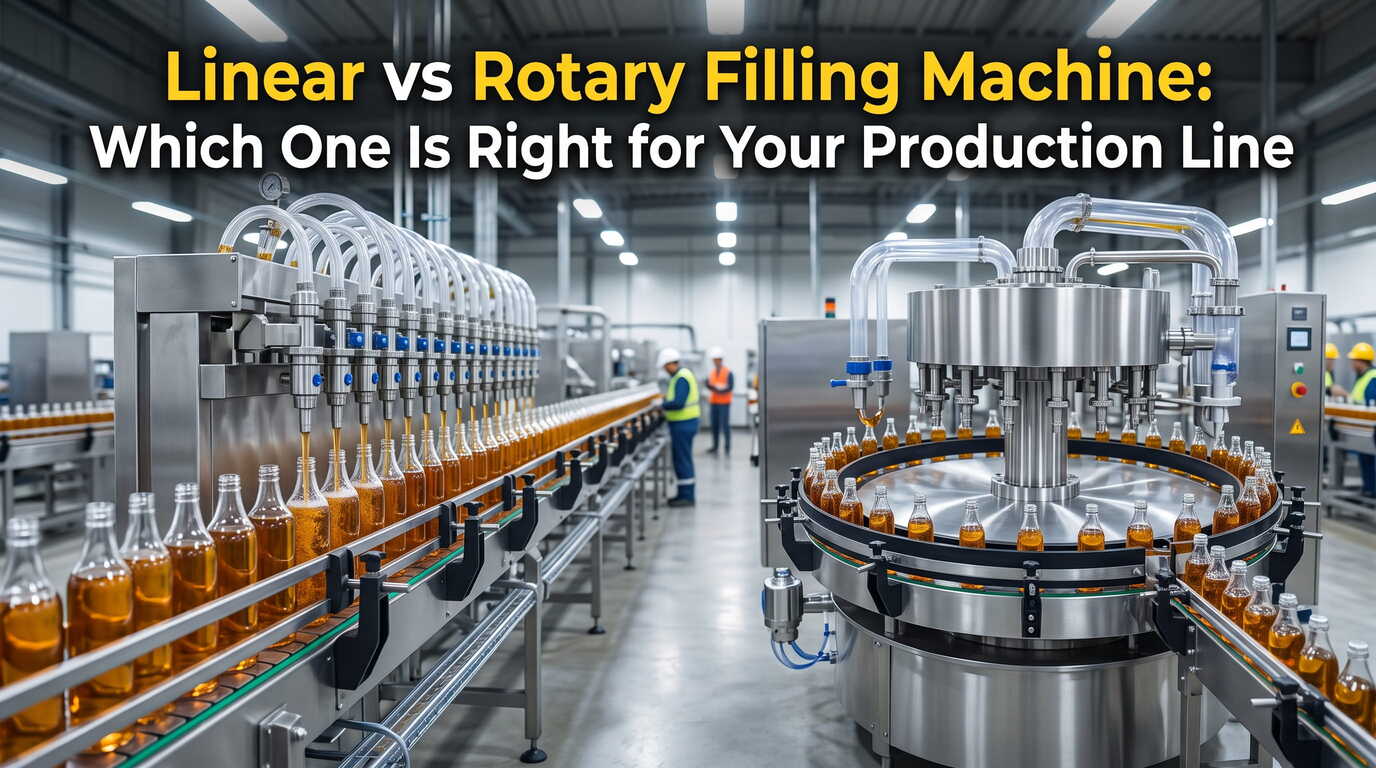
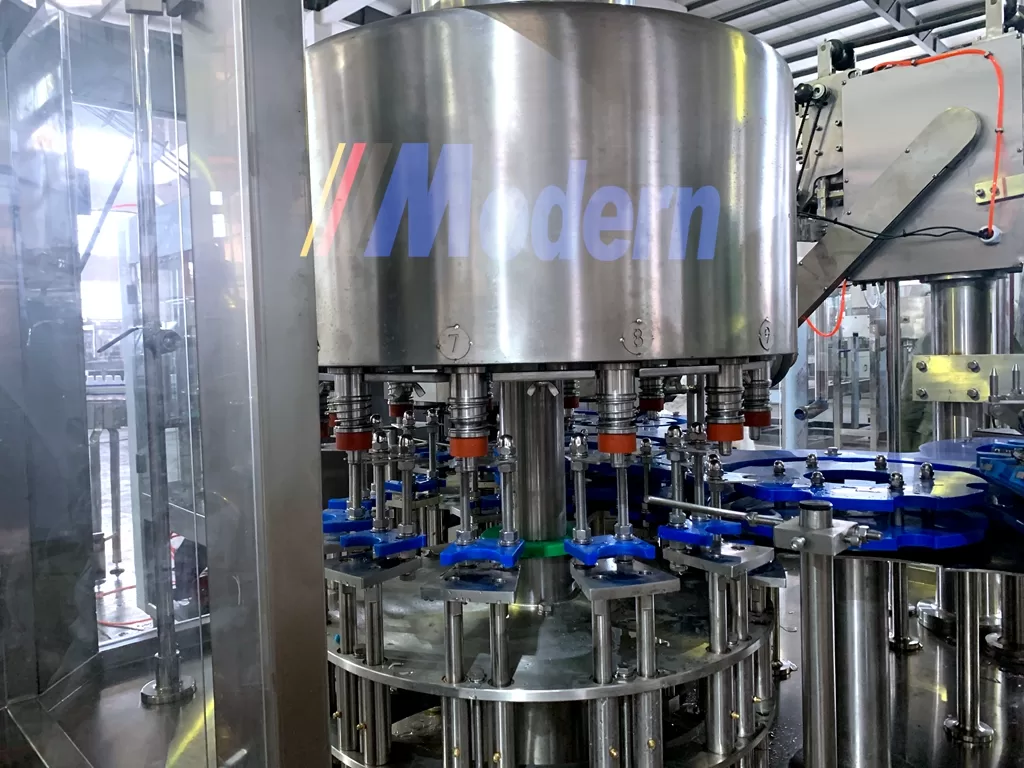
The filling station is one of the critical components of the bottling line. Place the filling machines at the beginning of the line to ensure accurate and uniform filling of bottles. Consider factors such as bottle sizes, filling speed, and accuracy when positioning the filling equipment.
2.2 Capping and Sealing
After filling, the bottles proceed to the capping and sealing station. Properly position capping machines to seamlessly cap the filled bottles, ensuring airtight seals and preventing leakage. Integration of capping equipment with the filling station can streamline the process and minimize misalignments.
2.3 Labeling and Packaging
Labeling and packaging stations should be strategically located at the end of the bottling line. Ensure that labeling machines are synchronized with the speed of the line to avoid delays. Proper placement of packaging equipment will facilitate the efficient collection and palletization of the filled and labeled bottles.
3. Considerations for Hygiene and Safety
Hygiene and safety are paramount in food production facilities, especially when packaging edible oils. When designing the bottling line layout, incorporate features such as easy-to-clean surfaces, separation of clean and dirty areas, and proper ventilation to maintain a sterile environment.
3.1 Clean-In-Place (CIP) Systems
Integrate Clean-In-Place systems into the bottling line layout to automate the cleaning process. CIP systems help in reducing downtime for manual cleaning and ensure that equipment is thoroughly sanitized between production runs, preventing contamination.
3.2 Safety Barriers and Signage
Install safety barriers and clear signage along the bottling line to prevent accidents and guide personnel on safe practices. Clearly mark hazardous areas, emergency exits, and safety protocols to create a secure working environment for operators.
4. Flexibility and Scalability
Anticipate future growth and changes in production volume when designing the bottling line layout. Ensure that the layout allows for flexibility to accommodate modifications or upgrades in equipment and can easily scale up to meet increased production demands.
4.1 Modular Design
Consider a modular design for the bottling line layout, allowing for easy integration of additional machinery or components as needed. Modular layouts enable quick reconfiguration of the production line and minimize downtime during upgrades or maintenance.
4.2 Spare Capacity
Allocate spare capacity in key areas of the bottling line to handle fluctuations in production volume or accommodate new product lines. Having additional capacity built into the layout ensures that the production can adapt to changing market demands without disruptions.
5. Quality Control and Monitoring
Implement quality control measures and monitoring systems throughout the bottling line to ensure consistent product quality and detect any deviations promptly. Incorporate sensors, cameras, and data analytics tools for real-time monitoring of production metrics and identifying potential issues.
5.1 Quality Assurance Checks
Integrate quality assurance checks at crucial points along the bottling line to verify product quality and compliance with standards. Implement automated inspection systems to detect defects, leaks, or labeling errors, preventing defective products from reaching the market.
5.2 Performance Tracking
Utilize performance tracking tools to monitor the efficiency of the bottling line and identify areas for improvement. Track metrics such as throughput, downtime, and error rates to optimize production processes and maximize output while maintaining quality standards.
6. Employee Training and SOPs
Provide comprehensive training to employees operating the bottling line and develop Standard Operating Procedures (SOPs) for routine tasks. Well-trained staff and clear protocols contribute to the smooth operation of the line, reduce errors, and enhance overall productivity.
6.1 Ongoing Training Programs
Regularly conduct training programs to update employees on equipment maintenance, safety procedures, and quality standards. Continuous training enhances employee skills, reduces downtime due to errors, and fosters a culture of continuous improvement within the production facility.
6.2 SOP Documentation
Document detailed SOPs for each stage of the bottling process, outlining step-by-step instructions and best practices. SOPs serve as a reference guide for operators, ensuring consistency in operations and enabling quick troubleshooting of issues that may arise during production.
7. Conclusion
Designing an efficient and well-structured automatic edible oil bottling line layout requires careful consideration of various factors, including equipment placement, hygiene standards, flexibility, quality control, and employee training. By implementing the tips and strategies outlined in this article, manufacturers can optimize their production processes, enhance product quality, and meet the demands of the market effectively.