
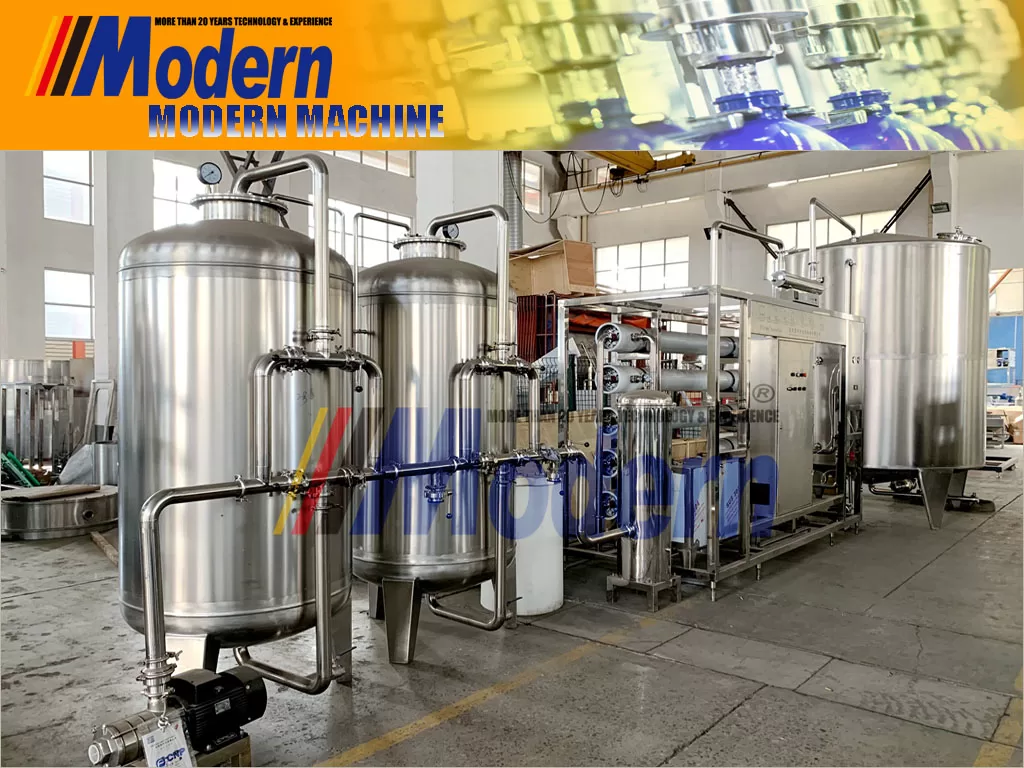
Les stations de traitement des eaux jouent un rôle crucial pour garantir l'approvisionnement en eau propre et sûre pour la consommation humaine, l'usage industriel et la protection de l'environnement. Ces installations utilisent une série de processus pour éliminer les contaminants et les impuretés de l'eau brute, la rendant ainsi adaptée à diverses applications. Comprendre les étapes impliquées dans une station de traitement des eaux permet de mieux apprécier la complexité et l'importance de cette infrastructure essentielle.
1. Coagulation et floculation
La première étape du processus de traitement de l'eau est la coagulation, où des produits chimiques sont ajoutés à l'eau brute pour neutraliser les charges des particules en suspension. Ce processus aide ces particules à s'agglutiner pour former des particules plus grosses et plus lourdes appelées flocs. La floculation implique un mélange doux pour encourager les flocs à se combiner et à se déposer hors de l'eau.
2. Sédimentation
Après la coagulation et la floculation, l'eau se déplace vers un bassin de sédimentation où les flocs se déposent au fond par gravité. Ce processus permet aux particules plus lourdes de se séparer de l'eau, formant une boue qui peut être éliminée. L'eau clarifiée à la surface du bassin passe à l'étape suivante du traitement.
3. Filtration
Une fois le processus de sédimentation terminé, l'eau passe à travers une série de filtres pour éliminer davantage les petites particules, les micro-organismes et les impuretés. Ces filtres peuvent être constitués de sable, de gravier, de charbon actif ou d'autres matériaux qui piègent les contaminants restants et garantissent que l'eau est propre et claire.
4. Désinfection
Pour éliminer les bactéries, virus et agents pathogènes nocifs restants, l'eau subit une désinfection. Le chlore, l'ozone, la lumière ultraviolette ou d'autres désinfectants sont couramment utilisés dans les stations de traitement des eaux pour tuer ou inactiver les micro-organismes, rendant l'eau propre à la consommation. Cette étape est cruciale pour prévenir les maladies d'origine hydrique.
5. Ajustement du pH
Le contrôle du niveau de pH de l'eau traitée est essentiel pour garantir qu'elle respecte les normes réglementaires et qu'elle est sûre pour la distribution. L'ajustement du pH est généralement effectué en ajoutant des produits chimiques tels que de la chaux ou de la soude caustique pour atteindre la plage de pH souhaitée. Le maintien d'un équilibre correct du pH aide à prévenir la corrosion dans les systèmes de distribution et garantit que l'eau n'est ni trop acide ni trop alcaline.
6. Dessalement (le cas échéant)
Dans les régions où l'intrusion d'eau salée ou une salinité élevée est une préoccupation, des processus de dessalement sont utilisés pour éliminer l'excès de sels et de minéraux de l'eau. Des méthodes comme l'osmose inverse ou la distillation sont utilisées pour séparer le sel de l'eau, produisant de l'eau douce conforme aux exigences de qualité. Le dessalement est crucial dans les zones confrontées à des problèmes de pénurie d'eau ou de contamination.
7. Gestion des résidus
Tout au long du processus de traitement, divers sous-produits et résidus sont générés, tels que les boues provenant de la sédimentation et des filtres, ainsi que les résidus chimiques issus du traitement. Une gestion appropriée de ces résidus est vitale pour minimiser l'impact environnemental et assurer la conformité aux réglementations. Le recyclage, l'élimination ou le traitement de ces résidus font partie des considérations opérationnelles d'une station de traitement des eaux.
8. Distribution et stockage
Une fois que l'eau a été traitée et qu'elle répond aux normes de qualité, elle est prête à être distribuée aux consommateurs. Les stations de traitement des eaux sont équipées d'installations de stockage telles que des réservoirs et des citernes pour assurer un approvisionnement en eau continu et fiable. Les systèmes de distribution acheminent l'eau traitée vers les foyers, les entreprises et les industries via un réseau de canalisations et d'infrastructures.
Conclusion
Les stations de traitement des eaux sont des installations complexes qui reposent sur une série de processus interconnectés pour purifier et fournir une eau propre et sûre aux communautés. Comprendre les étapes impliquées dans une station de traitement des eaux souligne l'importance d'un traitement approprié, de la désinfection et des mesures de contrôle de la qualité pour protéger la santé publique et l'environnement. En suivant ces étapes essentielles et en utilisant des technologies avancées, les stations de traitement des eaux contribuent à une gestion durable de l'eau et garantissent la disponibilité de ressources en eau de qualité pour tous.


