
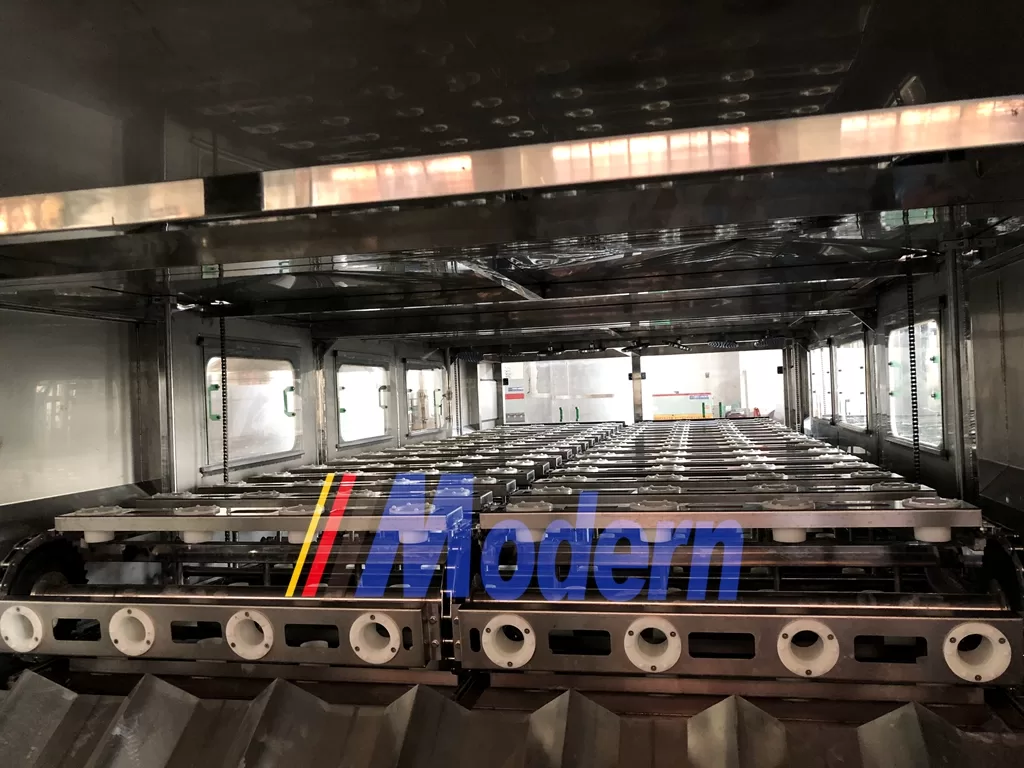
Dans le paysage en constante évolution de l'industrie des boissons, les petites machines de remplissage d'eau ont suscité une attention considérable. Ces machines sont essentielles pour les petites et moyennes entreprises cherchant à conditionner l'eau de manière efficace. Cependant, le prix de ces machines peut varier considérablement en fonction de multiples facteurs. Cet article explore les dimensions entourant le prix des petites machines de remplissage d'eau, offrant des conseils pratiques et des perspectives aux acheteurs potentiels.
Aperçu du marché
Avant d'aborder les spécificités tarifaires, il est important de comprendre la dynamique du marché qui influence la demande pour les petites machines de remplissage d'eau. La sensibilisation accrue des consommateurs à la santé a conduit à une préférence croissante pour l'eau en bouteille. Par conséquent, les entreprises cherchent à investir dans des solutions de remplissage d'eau fiables pour répondre à cette demande.
Facteurs influençant le prix
Le coût des petites machines de remplissage d'eau est influencé par plusieurs facteurs clés, notamment :
1. Spécifications de la machine
Différents modèles sont proposés avec des spécifications variées, notamment la capacité, la vitesse et le niveau d'automatisation. Les machines ayant des capacités plus élevées et des cadences de production plus rapides coûtent généralement plus cher. Par exemple, une machine semi-automatique a généralement un prix inférieur à celui des alternatives entièrement automatiques, mais ces dernières peuvent offrir une meilleure efficacité et une réduction des coûts de main-d'œuvre à long terme.
2. Technologie et fonctionnalités
Les avancées technologiques intégrées à la machine affectent considérablement le prix. Des fonctionnalités telles que le rinçage automatique, les systèmes de remplissage de haute précision et les interfaces conviviales peuvent augmenter l'investissement initial, mais peuvent améliorer considérablement l'efficacité opérationnelle et réduire les coûts à long terme.
3. Qualité des matériaux
Les matériaux de construction jouent également un rôle crucial dans la détermination du prix. Les machines fabriquées en acier inoxydable de haute qualité sont généralement plus chères, mais offrent une plus grande durabilité et une meilleure résistance à la corrosion. Cette longévité peut se traduire par une réduction des coûts de maintenance au fil du temps.
4. Réputation de la marque
Bien que cet article évite de discuter d'entreprises spécifiques, il est essentiel de reconnaître que les marques établies, réputées pour leur qualité et leur fiabilité, exigent généralement des prix plus élevés. Cependant, elles offrent souvent un meilleur service client et un meilleur support, ce qui est un facteur critique pour de nombreux acheteurs.
5. Emplacement et expédition
L'emplacement géographique des fabricants peut avoir un impact significatif sur la tarification. L'importation de machines depuis l'étranger peut entraîner des frais d'expédition et de douane supplémentaires, augmentant le prix global. Les acheteurs doivent intégrer ces coûts dans leur budget lorsqu'ils envisagent des options d'équipement.
Fourchette de prix moyenne
Comprendre la fourchette de prix moyenne des petites machines de remplissage d'eau est essentiel pour prendre des décisions d'achat éclairées. En général, les prix peuvent varier de 5 000 $ à 50 000 $, selon les facteurs mentionnés ci-dessus.
Machines économiques
Pour ceux qui débutent, les machines économiques se situent généralement dans la fourchette de 5 000 $ à 10 000 $. Celles-ci incluent souvent des fonctionnalités de base et un fonctionnement manuel, adaptées aux entreprises ayant des besoins de production plus faibles.
Options de milieu de gamme
Les machines de milieu de gamme offrant une meilleure automatisation et une meilleure efficacité se situent généralement entre 10 000 $ et 25 000 $. Ces machines disposent souvent de capacités semi-automatiques et sont conçues pour les entreprises cherchant à développer leurs opérations.
Modèles haut de gamme
Les machines haut de gamme, équipées de technologies avancées et offrant des cadences de production plus élevées, coûtent généralement entre 25 000 $ et 50 000 $. Elles sont idéales pour les grandes entreprises visant des niveaux de production et d'automatisation élevés.
Pourquoi investir judicieusement est important
Investir dans une petite machine de remplissage d'eau est plus qu'un simple achat ; c'est une décision stratégique qui peut avoir un impact sur l'efficacité et la rentabilité de votre entreprise. Voici quelques raisons pour lesquelles il est essentiel de faire un choix éclairé concernant le prix :
1. Retour sur investissement (ROI)
Un aspect crucial à considérer est le retour sur investissement. Bien qu'il puisse être tentant d'opter pour l'option la moins chère, il est vital d'évaluer les rendements à long terme générés par l'efficacité, la fiabilité et la réduction des coûts de main-d'œuvre. Un investissement initial légèrement plus élevé pourrait entraîner des économies significatives et une augmentation des bénéfices à l'avenir.
2. Efficacité opérationnelle
Une machine plus coûteuse dotée de fonctionnalités avancées peut faire gagner du temps et réduire la probabilité d'erreurs pendant le processus de remplissage. Cette efficacité peut améliorer les taux de production, garantissant que vous répondiez à la demande du marché et évitiez les pertes de ventes.
3. Assurance qualité
Les machines de haute qualité sont souvent accompagnées de garanties et d'un meilleur support client, ce qui peut offrir une tranquillité d'esprit et atténuer les risques associés aux pannes d'équipement. Le coût des réparations et des temps d'arrêt peut largement dépasser la différence entre une machine bon marché et une machine de qualité.
Conseils pour choisir la bonne machine
Pour garantir que votre investissement est judicieux, envisagez de mettre en œuvre les stratégies suivantes :
1. Évaluez vos besoins de production
Avant de prendre une décision, définissez clairement vos besoins en capacité de production. Comprendre la quantité d'eau que vous devez remplir et conditionner quotidiennement vous aidera à choisir une machine qui correspond étroitement à vos besoins.
2. Recherchez le fabricant
Enquêtez sur les fabricants et leurs offres. Lisez les avis et demandez des retours d'autres entreprises concernant leurs expériences avec des machines spécifiques. Les fabricants réputés offrent souvent des informations précieuses sur leurs produits.
3. Comparez plusieurs options
Demandez des devis à divers fournisseurs et assurez-vous de comparer des machines ayant des spécifications similaires. N'hésitez pas à négocier les prix ou à rechercher des offres de services supplémentaires, notamment l'installation et la maintenance.
4. Considérez l'évolutivité future
Choisissez une machine qui évoluera avec votre entreprise. Investir dans une machine qui peut être mise à niveau ou étendue peut vous faire gagner du temps et de l'argent à mesure que vos besoins de production augmentent.
Conclusion
L'achat d'une petite machine de remplissage d'eau est un investissement important qui justifie des recherches et une réflexion approfondies. En comprenant la dynamique du marché, en reconnaissant les facteurs influençant la tarification et en prenant des décisions éclairées basées sur vos besoins spécifiques, vous pouvez améliorer votre efficacité opérationnelle et maximiser votre retour sur investissement. Que vous optiez pour une solution économique ou que vous investissiez dans un modèle haut de gamme, la clé est d'équilibrer les coûts initiaux avec les avantages à long terme, garantissant ainsi que votre entreprise reste compétitive sur le marché florissant des boissons.


