
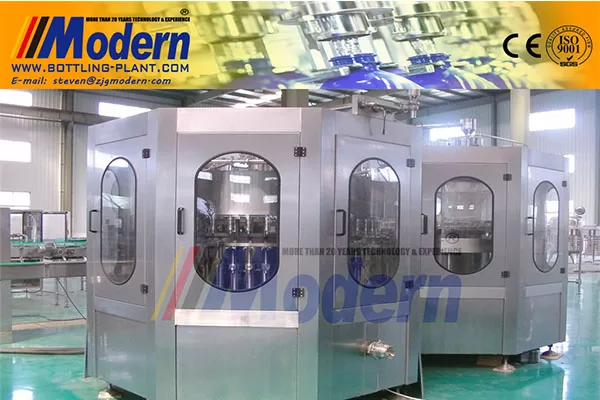
L'industrie des boissons évolue rapidement, avec un virage significatif vers l'efficacité, la durabilité et les préférences des consommateurs. Parmi les nombreuses avancées technologiques, les machines de remplissage et de bouchage de jus jouent un rôle central pour garantir la productivité, l'hygiène et la qualité dans la fabrication de jus. Cet article propose une exploration approfondie de ces machines, en abordant leurs fonctionnalités, leurs avantages, leurs types, les meilleures pratiques et les tendances futures. Que vous soyez fabricant, distributeur ou simplement intéressé par l'industrie des boissons, ce guide vous apportera des informations précieuses.
L'importance des machines de remplissage et de bouchage de jus
Dans le secteur moderne des boissons, la demande pour des jus frais et naturels ne cesse de croître, rendant les processus de production efficaces essentiels. Les machines de remplissage et de bouchage de jus rationalisent les opérations en automatisant les processus de remplissage et de scellage, qui reposaient traditionnellement en grande partie sur le travail manuel. L'importance de ces machines est capitale pour plusieurs raisons :
- Efficacité : L'automatisation des processus de remplissage et de bouchage réduit considérablement les temps de production, permettant aux fabricants de répondre efficacement aux besoins à grande échelle comme aux petites séries.
- Cohérence : Grâce à une ingénierie de précision, ces machines garantissent que chaque bouteille est remplie au même niveau et scellée hermétiquement, préservant ainsi l'intégrité du produit.
- Hygiène : Les systèmes automatisés limitent le contact humain avec les produits, réduisant le risque de contamination et garantissant la conformité aux réglementations en matière de sécurité alimentaire.
- Rentabilité : Au fil du temps, ces machines peuvent générer des économies substantielles grâce à la réduction du gaspillage, des coûts de main-d'œuvre et à des cadences de production plus rapides.
Composants des machines de remplissage et de bouchage de jus
Comprendre les différents composants qui constituent les machines de remplissage et de bouchage de jus est essentiel pour prendre des décisions d'achat éclairées. Les composants clés comprennent généralement :
Mécanisme de remplissage
Le mécanisme de remplissage est responsable de la distribution du jus dans les contenants. Divers mécanismes sont utilisés, notamment :
- Remplisseuses à piston : Couramment utilisées pour les jus plus épais, les remplisseuses à piston offrent un contrôle précis du volume.
- Remplisseuses par gravité : Adaptées aux liquides plus fluides, les remplisseuses par gravité permettent au jus de s'écouler dans les contenants en utilisant la force gravitationnelle.
- Remplisseuses sous vide : Idéales pour les produits sensibles, les remplisseuses sous vide minimisent le risque de moussage et assurent un remplissage plus hermétique.
Mécanisme de bouchage
Les mécanismes de bouchage sécurisent la fermeture du contenant, ce qui est vital pour maintenir la fraîcheur. Les types de bouchage courants incluent :
- Boucheuses à vis : Ils créent des fermetures filetées en vissant fermement les bouchons.
- Boucheuses à couronne : Généralement utilisées pour les bouteilles en verre, ces machines appliquent des capsules métalliques par scellage par compression.
- Boucheuses à pression (Snap-On) : Utilisées principalement pour les bouteilles en plastique, offrant une solution de scellage rapide.
Système de contrôle
Les machines modernes sont équipées de systèmes de contrôle avancés qui permettent aux opérateurs de surveiller et d'ajuster les paramètres en temps réel. Ces systèmes comprennent souvent :
- Interfaces à écran tactile : Pour une interaction conviviale.
- Automates programmables industriels (API) : Pour l'automatisation et le contrôle des processus.
- Fonctionnalités d'enregistrement de données : Pour suivre les indicateurs de production et assurer le contrôle qualité.
Types de machines de remplissage et de bouchage de jus
Il existe une variété de machines de remplissage et de bouchage de jus, chacune conçue pour répondre à des exigences de production spécifiques :
Machines automatiques
Les machines de remplissage et de bouchage automatiques sont conçues pour une production à haut volume. Elles nécessitent une intervention humaine minimale et sont idéales pour les grands fabricants cherchant à maximiser l'efficacité.
Machines semi-automatiques
Ces machines combinent des processus manuels et automatiques. Elles nécessitent une certaine implication de l'opérateur mais rationalisent considérablement la fabrication par rapport aux systèmes entièrement manuels, ce qui les rend idéales pour les opérations de moyenne envergure.
Machines manuelles
Pour les opérations à petite échelle ou les entreprises en démarrage, les machines de remplissage et de bouchage manuelles peuvent être rentables, mais elles nécessitent plus de main-d'œuvre et peuvent être moins précises. Elles conviennent aux producteurs de jus artisanaux ou de niche.
Meilleures pratiques pour la sélection des machines de remplissage et de bouchage de jus
Lorsqu'ils explorent le monde des machines de remplissage et de bouchage de jus, les fabricants doivent prendre en compte plusieurs bonnes pratiques pour s'assurer que leur investissement répond à leurs besoins spécifiques :
Évaluer le volume de production
Comprendre votre volume de production est essentiel. Des volumes plus élevés peuvent justifier des machines automatiques, tandis que des productions plus modestes peuvent bénéficier d'options semi-automatiques ou manuelles. Pensez également à l'évolutivité et aux projections futures.
Évaluer les caractéristiques du produit
La viscosité, la température et les propriétés chimiques du jus influenceront le choix de la technologie de remplissage. Par exemple, les jus plus épais peuvent nécessiter des remplisseuses à piston, tandis que les jus sensibles peuvent bénéficier d'une technologie de remplissage sous vide.
Prendre en compte l'espace et l'agencement
Évaluez l'espace disponible dans votre unité de production. Assurez-vous que l'encombrement de la machine s'intègre confortablement dans votre agencement sans perturber le flux de travail. Pensez également à la configuration pour une croissance future.
Budget vs coûts à long terme
Bien que les coûts d'achat initiaux soient importants, n'oubliez pas les coûts opérationnels à long terme, notamment la maintenance, la consommation d'énergie et la formation du personnel. Parfois, un investissement initial plus élevé permet de réduire les coûts opérationnels au fil du temps.
Tendances futures dans la technologie de remplissage et de bouchage de jus
Le paysage technologique du remplissage et du bouchage de jus est en constante évolution. Rester informé des tendances émergentes peut offrir des avantages concurrentiels :
Durabilité et respect de l'environnement
À mesure que les préférences des consommateurs s'orientent vers la durabilité, les machines qui minimisent les déchets et utilisent des matériaux recyclables gagnent du terrain. Les fabricants se concentrent désormais sur la production de machines à faible consommation d'énergie et dotées de composants recyclables ou biodégradables.
Intégration de la technologie intelligente
L'industrie 4.0 fait son entrée dans la production de boissons, les machines intégrant de plus en plus la technologie IoT pour améliorer la collecte de données, le suivi et la maintenance prédictive. Cette intégration permet aux fabricants d'optimiser la production et de réduire les temps d'arrêt.
Personnalisation et flexibilité
Avec l'évolution des préférences des consommateurs et l'essor des produits de niche, la flexibilité des lignes de production est cruciale. Les machines modernes sont conçues pour une reconfiguration facile, permettant aux fabricants de passer d'un produit à l'autre avec un temps d'arrêt minimal.
Conclusion
L'importance des machines de remplissage et de bouchage de jus dans l'industrie des boissons ne peut être sous-estimée. Alors que les entreprises s'efforcent de répondre à la demande croissante des consommateurs en matière de qualité et d'efficacité, il est essentiel de comprendre les subtilités de ces machines. En évaluant les besoins de production, en tenant compte des meilleures pratiques et en restant informés des tendances émergentes, les fabricants peuvent prendre des décisions éclairées qui amélioreront leurs capacités de production, garantissant ainsi leur compétitivité sur un marché en constante évolution.
En fin de compte, que vous soyez une start-up ou un acteur établi dans l'industrie du jus, investir dans des machines de remplissage et de bouchage sophistiquées et bien conçues est une étape critique vers l'excellence opérationnelle.


