
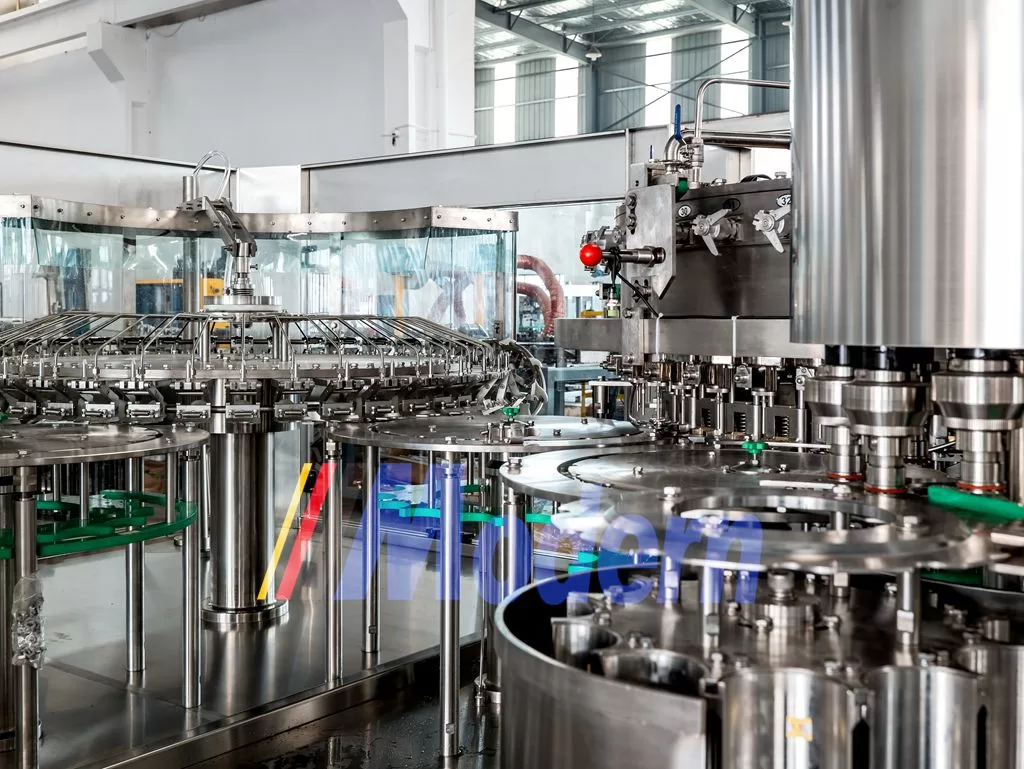
Dans le domaine de la fabrication et du conditionnement, les machines de remplissage jouent un rôle essentiel pour garantir une production efficace. Elles sont utilisées dans divers secteurs, notamment l'agroalimentaire, la pharmacie, la chimie et la cosmétique, pour doser et remplir les produits dans des contenants. Alors que la mondialisation et la dynamique commerciale continuent d'évoluer, comprendre les mécanismes de tarification des machines de remplissage devient crucial pour les entreprises cherchant à optimiser leurs opérations et à renforcer leur avantage concurrentiel. Cet article se penche sur les prix des machines de remplissage, en explorant les facteurs qui influencent ces coûts, les différents types de machines, leurs applications et des conseils pratiques pour prendre des décisions d'achat éclairées.
Facteurs influençant les prix des machines de remplissage
Le prix des machines de remplissage peut varier considérablement en fonction de plusieurs facteurs clés. Les comprendre peut aider les entreprises à anticiper les coûts et à établir un budget efficace.
1. Type de machine de remplissage
Les machines de remplissage se déclinent en plusieurs types, tels que les remplisseuses par gravité, à piston, sous vide et sous pression. La complexité et la technologie derrière chaque type influencent directement son prix. Par exemple, une simple remplisseuse par gravité utilisée pour des liquides non visqueux peut être nettement moins coûteuse qu'une remplisseuse sous vide sophistiquée conçue pour des produits visqueux ou sensibles.
2. Capacité de production
La capacité est un autre déterminant crucial. Les machines conçues pour une production à haut volume coûtent généralement plus cher que les petites machines manuelles. Les entreprises doivent évaluer leurs besoins de production ; opter pour une machine correspondant à leurs exigences de capacité peut permettre de réaliser des économies importantes à long terme.
3. Automatisation et technologie
Le niveau d'automatisation intégré dans une machine de remplissage peut affecter considérablement son prix. Les machines automatisées offrent une efficacité accrue, réduisant les coûts de main-d'œuvre et minimisant les erreurs humaines, mais elles entraînent également des coûts initiaux plus élevés. Les entreprises doivent mettre en balance les avantages de l'automatisation avec leurs contraintes budgétaires et leurs objectifs de production.
4. Matériau et qualité de construction
Les matériaux utilisés dans la construction d'une machine de remplissage peuvent influencer son coût. Les machines en acier inoxydable sont généralement plus chères que celles en plastique en raison de leur durabilité et de leur résistance à la corrosion. Investir dans des matériaux de haute qualité peut entraîner une réduction des coûts de maintenance et une longévité accrue.
5. Réputation de la marque et service après-vente
La réputation du fabricant et la qualité du service après-vente peuvent également impacter les prix. Les marques bien établies exigent souvent des prix plus élevés en raison de leur expérience éprouvée et de leurs services d'assistance fiables. Les entreprises doivent prendre en compte non seulement le coût initial, mais aussi la valeur à long terme offerte par le service client, les garanties et la disponibilité des pièces de rechange.
Types de machines de remplissage et leurs applications
Comprendre les différents types de machines de remplissage et leurs applications spécifiques est essentiel pour choisir celle qui correspond à vos besoins. Voici un aperçu des types de machines de remplissage courants :
1. Machines de remplissage de liquides
Les machines de remplissage de liquides sont le type le plus répandu, utilisées pour les boissons, les huiles et les produits chimiques liquides. Parmi celles-ci, les remplisseuses par gravité et à piston sont les plus courantes.
2. Machines de remplissage de poudre
Ces machines sont conçues pour des produits tels que la farine, le sucre et les épices en poudre. Elles utilisent différents mécanismes, notamment des remplisseuses à vis sans fin, pour assurer un remplissage précis.
3. Machines de remplissage de pâte
Utilisées dans des secteurs comme la cosmétique et l'agroalimentaire, les remplisseuses de pâte traitent des produits épais et visqueux. Elles utilisent des pompes volumétriques ou des systèmes à piston pour distribuer le produit efficacement.
4. Machines de remplissage de granulés
Les machines de remplissage de granulés sont destinées à des produits comme le riz, les céréales et l'alimentation animale. Elles utilisent souvent des alimentateurs vibrants ou des entonnoirs pour assurer un remplissage précis.
5. Machines de remplissage spécialisées
Ces machines sont conçues pour des opérations uniques, telles que le remplissage de produits aérosols ou de sachets. Elles nécessitent souvent une technologie spécialisée et sont adaptées à des besoins industriels spécifiques.
Coûts supplémentaires et considérations
Bien que le prix d'achat initial d'une machine de remplissage soit important, les entreprises doivent également prendre en compte les coûts supplémentaires liés à la possession.
1. Maintenance et pièces de rechange
Toutes les machines nécessitent un entretien régulier pour garantir des performances optimales. Les entreprises doivent estimer les coûts de maintenance continus, ainsi que la disponibilité et le prix des pièces de rechange. Investir dans des machines de fabricants réputés pour leur durabilité peut atténuer ces coûts.
2. Formation et exploitation
La formation du personnel à l'utilisation des machines de remplissage est essentielle. Les entreprises doivent prévoir un budget pour les programmes de formation, qui peuvent inclure l'embauche de spécialistes ou l'envoi d'employés à des sessions de formation dispensées par le fournisseur d'équipement.
3. Conformité et certifications
Selon le secteur, la conformité aux réglementations locales et l'obtention de certifications peuvent être nécessaires. Cela peut impliquer des coûts supplémentaires pour la modification de la machine ou les processus de vérification.
Négocier le meilleur prix : conseils pratiques et exploitables
Pour maximiser la valeur des investissements dans les machines de remplissage, les entreprises doivent adopter des approches stratégiques lors de la négociation des prix. Voici quelques conseils exploitables :
1. Rechercher et comparer
Avant d'effectuer un achat, effectuez une étude de marché approfondie. Rassemblez des devis auprès de plusieurs fournisseurs et comparez les caractéristiques, les capacités et les prix. Cette pratique donnera une vue d'ensemble claire du paysage actuel du marché et permettra une prise de décision éclairée.
2. Évaluer le coût total de possession
Considérez le coût total de possession, qui inclut non seulement le prix d'achat, mais aussi les coûts de maintenance, les coûts opérationnels et les temps d'arrêt potentiels. Cette perspective aidera à évaluer la valeur à long terme de l'investissement.
3. Tirer parti des salons professionnels et des expositions
Assister à des salons professionnels offre un accès direct à plusieurs fournisseurs, permettant aux entreprises de voir les machines en fonctionnement. De tels événements offrent également des opportunités de négocier de meilleures affaires et d'accéder à des remises exclusives.
4. Demander des recommandations et des avis
Consultez vos pairs du secteur et demandez des recommandations basées sur leurs expériences avec des fabricants et des modèles spécifiques. Les avis et témoignages en ligne peuvent également offrir des informations précieuses sur les performances et la fiabilité de l'équipement.
5. Envisagez des machines d'occasion ou reconditionnées
Pour les entreprises disposant d'un budget serré, l'exploration de machines de remplissage d'occasion ou reconditionnées peut constituer une option rentable. Toutefois, il est crucial d'effectuer des inspections approfondies et de s'assurer qu'elles sont accompagnées de garanties et de la documentation relative à leur maintenance antérieure.
Conclusion : Investir judicieusement dans les machines de remplissage
En fin de compte, la décision d'investir dans une machine de remplissage dépend de la compréhension de son prix et des facteurs qui l'influencent. Les entreprises doivent évaluer leurs besoins spécifiques et leurs options avec réflexion. En prenant en compte diverses dimensions, des types de machines aux coûts de maintenance et aux tactiques de négociation, les entreprises peuvent faire des choix éclairés qui favorisent l'efficacité et la rentabilité de leurs processus de production. Une machine de remplissage bien choisie permet non seulement de rationaliser les opérations, mais aussi d'améliorer la qualité des produits et de satisfaire la demande des clients, ce qui en fait un atout essentiel dans le paysage concurrentiel actuel.


