Dans le monde dynamique de la fabrication alimentaire, le conditionnement efficace des huiles alimentaires est primordial. Alors que la demande en huiles de cuisson ne cesse d'augmenter, le besoin de machines spécialisées, telles que les remplisseuses d'huile alimentaire, devient de plus en plus évident. Cet article explore en profondeur les subtilités des machines de remplissage d'huile alimentaire, en examinant leurs fonctionnalités, leurs types, leurs applications, leurs avantages et les meilleures pratiques d'utilisation.
Qu'est-ce qu'une machine de remplissage d'huile alimentaire ?
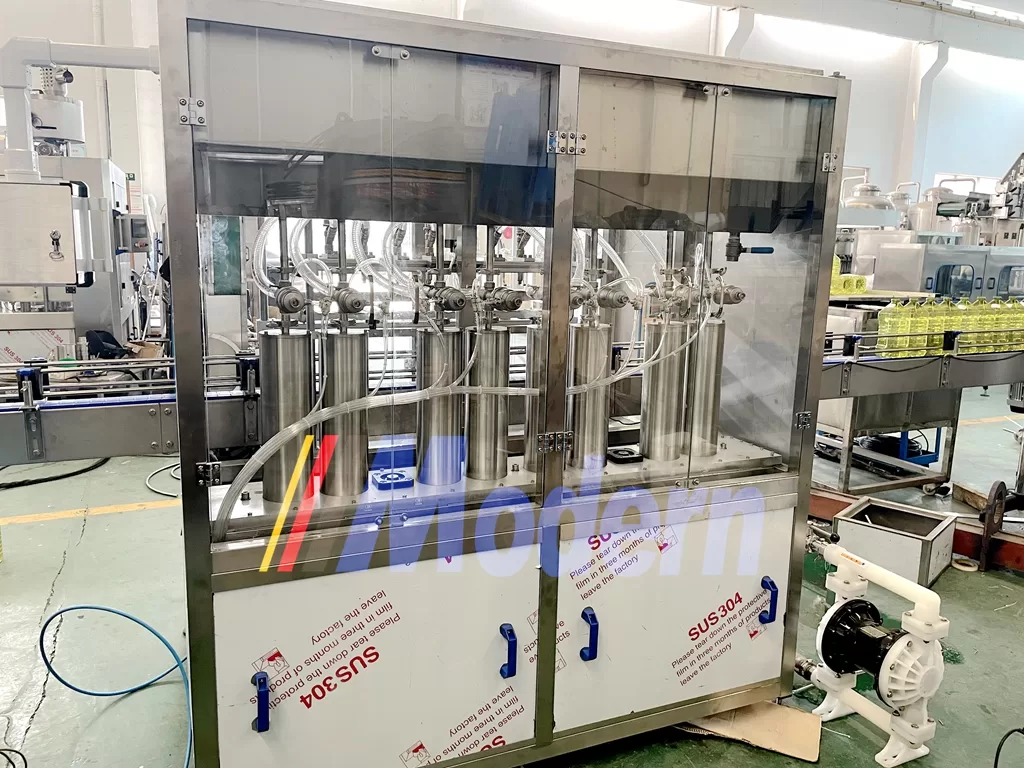
Une machine de remplissage d'huile alimentaire est un équipement conçu pour distribuer et conditionner avec précision une variété d'huiles alimentaires dans des contenants de différentes tailles. Qu'il s'agisse d'huile d'olive, d'huile de tournesol ou d'huile de sésame, ces machines garantissent un processus de remplissage efficace, hygiénique et précisément mesuré. En automatisant le processus de remplissage, les fabricants peuvent améliorer leur productivité, minimiser le gaspillage et maintenir la qualité de l'huile.
Composants clés des machines de remplissage d'huile alimentaire
Comprendre la structure d'une machine de remplissage d'huile alimentaire est essentiel pour optimiser son utilisation. Les composants principaux comprennent :
1. Trémie
La trémie est l'endroit où l'huile en vrac est stockée avant d'être distribuée. Elle assure un approvisionnement continu en huile vers le mécanisme de remplissage, améliorant ainsi l'efficacité.
2. Buses de remplissage
Ces buses sont conçues pour distribuer des quantités précises d'huile. Elles peuvent être réglables pour s'adapter à différentes tailles d'emballage.
3. Panneau de contrôle
Il permet aux opérateurs de définir des paramètres tels que le volume de remplissage, la vitesse et le temps de cycle. Les systèmes modernes peuvent être dotés d'écrans tactiles pour une meilleure convivialité.
4. Système de convoyage
Un système de convoyage déplace les contenants à travers différentes étapes, du remplissage au bouchage et à l'étiquetage. Il assure un flux de travail rationalisé au sein de la ligne de conditionnement.
5. Unités de bouchage
Ces unités scellent solidement les contenants après le remplissage. Un scellage hermétique est vital pour maintenir l'intégrité du produit et éviter les fuites.
Types de machines de remplissage d'huile alimentaire
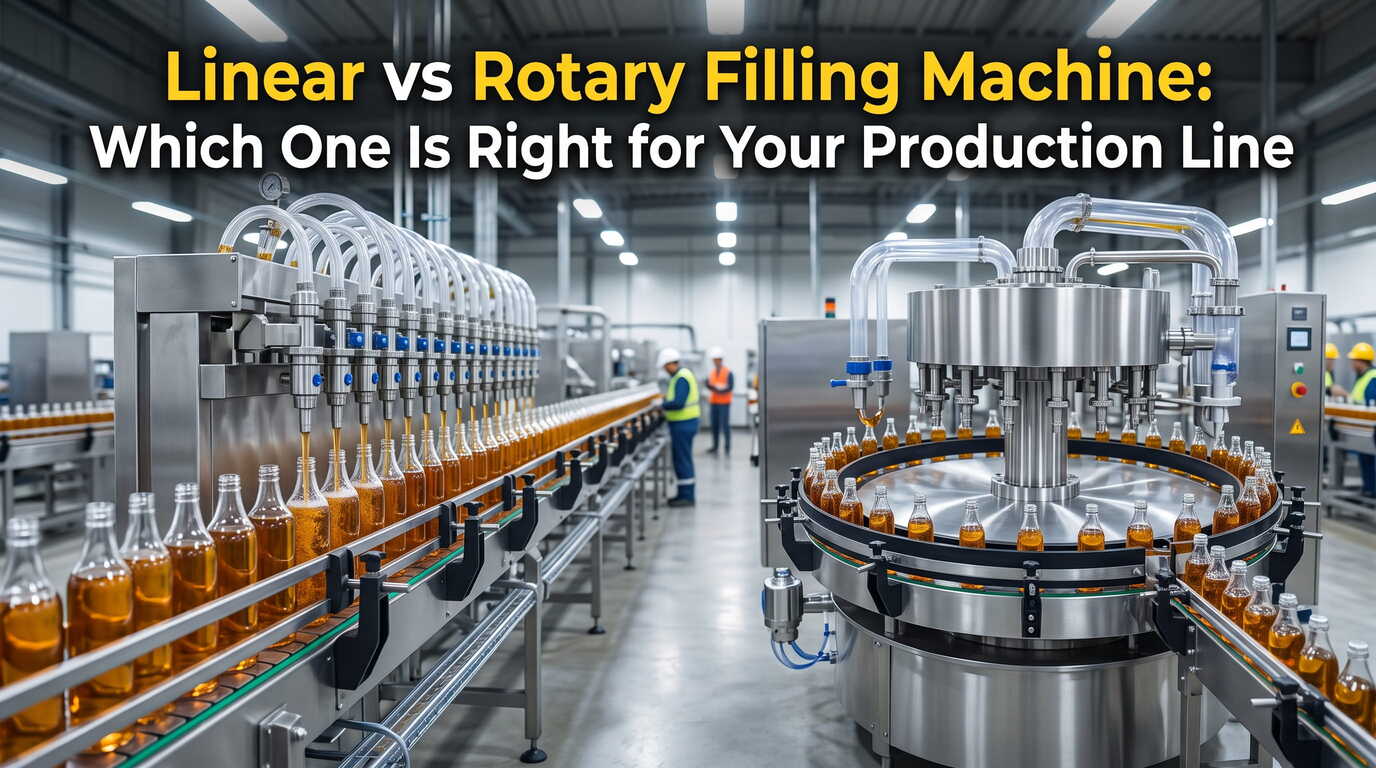
Les machines de remplissage d'huile alimentaire sont disponibles dans diverses configurations pour répondre aux différents besoins de production. Celles-ci incluent :
1. Machines de remplissage par gravité
Les machines de remplissage par gravité fonctionnent en laissant l'huile s'écouler sous l'effet de la gravité. Elles sont généralement adaptées aux liquides fluides et sont souvent privilégiées pour les petites séries de production.
2. Machines de remplissage à piston
Ce type utilise un piston pour aspirer l'huile dans une chambre, puis la pousser dans le contenant. Les remplisseuses à piston sont idéales pour les huiles fluides comme pour les plus épaisses et offrent une grande précision.
3. Machines de remplissage à pompe
Les remplisseuses à pompe utilisent une pompe pour déplacer l'huile de la trémie vers le contenant. Elles peuvent traiter de grands volumes et sont adaptées à des tailles de contenants variables.
4. Machines de remplissage volumétrique
Les remplisseuses volumétriques distribuent un volume prédéterminé d'huile dans chaque contenant, garantissant la cohérence et réduisant le gaspillage. Ces machines sont souvent équipées de commandes numériques pour une plus grande précision.
Applications des machines de remplissage d'huile alimentaire
Les machines de remplissage d'huile alimentaire peuvent être utilisées dans un large éventail d'industries. Quelques applications courantes incluent :
1. Producteurs d'huile de cuisson
Les fabricants d'huiles de cuisson, qu'elles soient destinées à la vente au détail ou en gros, s'appuient sur des machines de remplissage pour conditionner les huiles efficacement tout en préservant leur qualité.
2. Marques d'huiles spécialisées
Les marques spécialisées dans les huiles gastronomiques ou axées sur la santé, comme l'huile de lin ou d'avocat, bénéficient de solutions de remplissage personnalisables qui répondent aux besoins des marchés de niche.
3. Industrie de la restauration
Les restaurants et les services de traiteur ont souvent besoin d'huiles alimentaires en gros, ce qui rend essentiel le conditionnement efficace de ces produits pour le stockage et la distribution.
Avantages de l'utilisation des machines de remplissage d'huile alimentaire
L'adoption de machines de remplissage d'huile alimentaire apporte de nombreux avantages aux fabricants :
1. Efficacité accrue
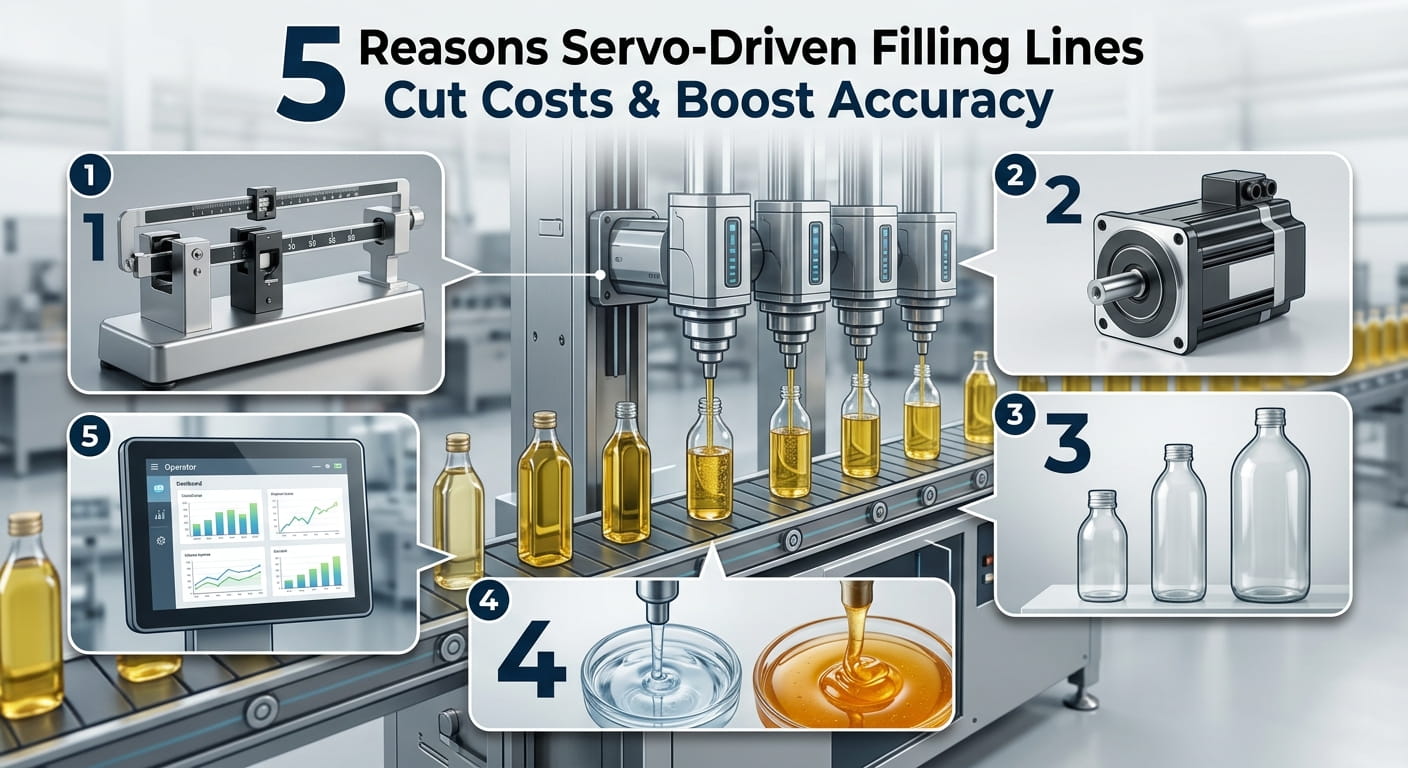
Ces machines peuvent fonctionner à grande vitesse, remplissant de nombreux contenants en peu de temps, ce qui aide à répondre aux demandes de production.
2. Constance et précision
Les systèmes de remplissage automatisés fonctionnent avec une grande précision, garantissant que chaque contenant reçoit la quantité exacte d'huile. Cela réduit le gaspillage et augmente la satisfaction des clients.
3. Économies de main-d'œuvre
En automatisant le processus de remplissage, les entreprises peuvent réduire les coûts de main-d'œuvre et réorienter le personnel vers d'autres domaines critiques de la ligne de production.
4. Hygiène améliorée
Les machines de remplissage modernes sont conçues dans un souci d'hygiène, minimisant le risque de contamination pendant le processus de conditionnement.
Meilleures pratiques pour l'utilisation des machines de remplissage d'huile alimentaire
Pour maximiser les performances et la longévité des machines de remplissage d'huile alimentaire, tenez compte des meilleures pratiques suivantes :
1. Entretien régulier
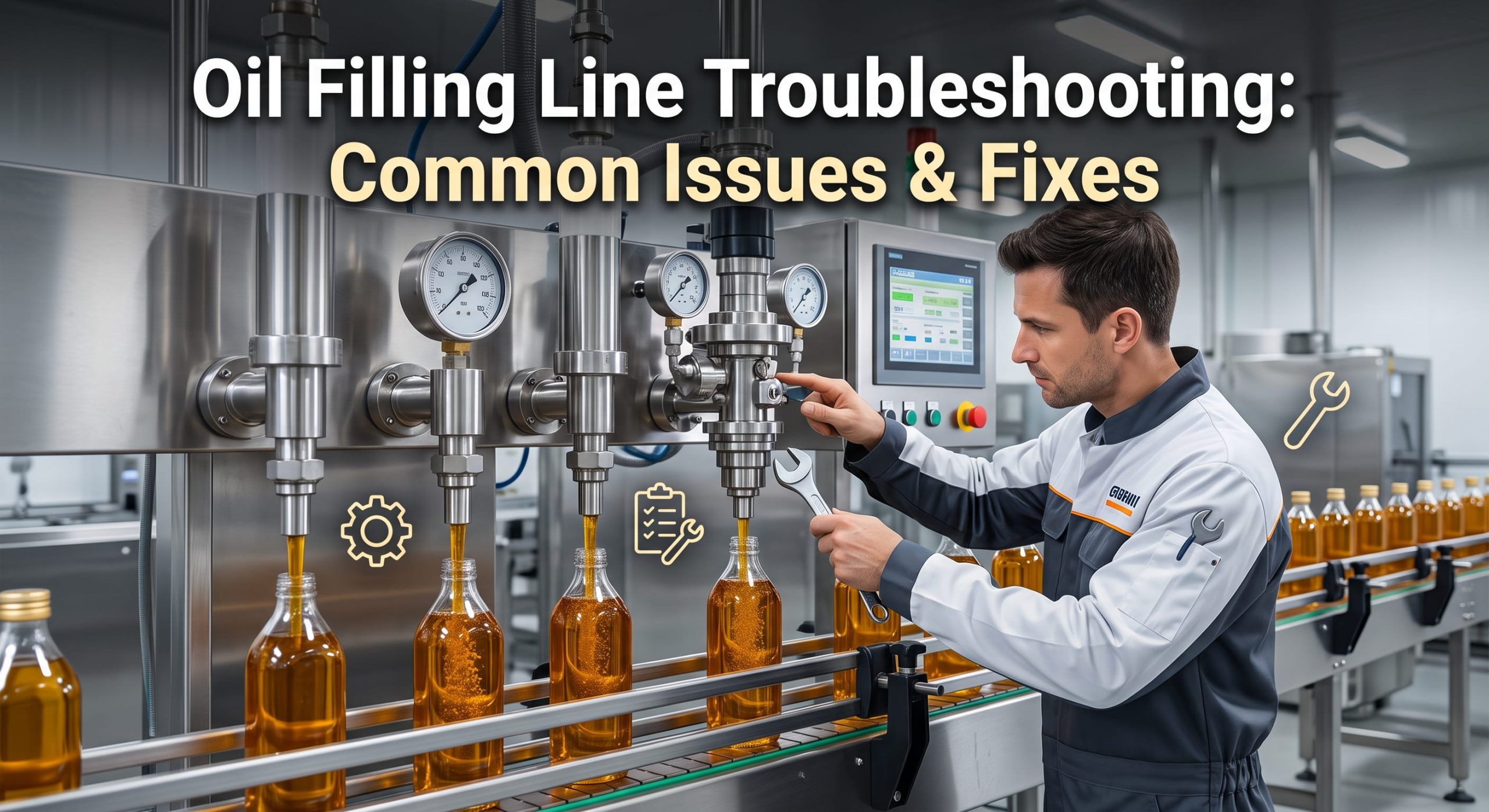
Établissez un calendrier de maintenance de routine pour inspecter et entretenir les composants de la machine, garantissant des performances optimales et réduisant les temps d'arrêt.
2. Formation appropriée
Assurez-vous que tous les opérateurs sont parfaitement formés au fonctionnement de la machine et aux procédures de dépannage afin de minimiser les erreurs et d'améliorer la sécurité.
3. Surveiller la qualité du remplissage
Vérifiez régulièrement le volume de remplissage et ajustez les paramètres si nécessaire pour maintenir une qualité constante et respecter les normes réglementaires.
4. Choisir la bonne machine
Évaluez les besoins spécifiques de votre ligne de production et sélectionnez une machine de remplissage qui correspond à vos exigences opérationnelles et aux types de produits.
Conclusion
Les machines de remplissage d'huile alimentaire représentent un investissement important pour les fabricants cherchant à rationaliser leurs opérations et à améliorer leurs processus de conditionnement. En comprenant les types, les applications et les avantages de ces machines, les entreprises peuvent prendre des décisions éclairées qui améliorent la productivité et la rentabilité. Alors que la demande pour diverses huiles alimentaires continue de croître, l'utilisation appropriée des machines de remplissage sera essentielle pour maintenir la compétitivité sur le marché et la satisfaction des consommateurs.
À une époque de progrès technologique rapide et d'évolution des préférences des consommateurs, rester informé des tendances du secteur et des meilleures pratiques concernant les machines de remplissage d'huile alimentaire garantira que votre ligne de production reste efficace, performante et prête à relever les défis de l'avenir.