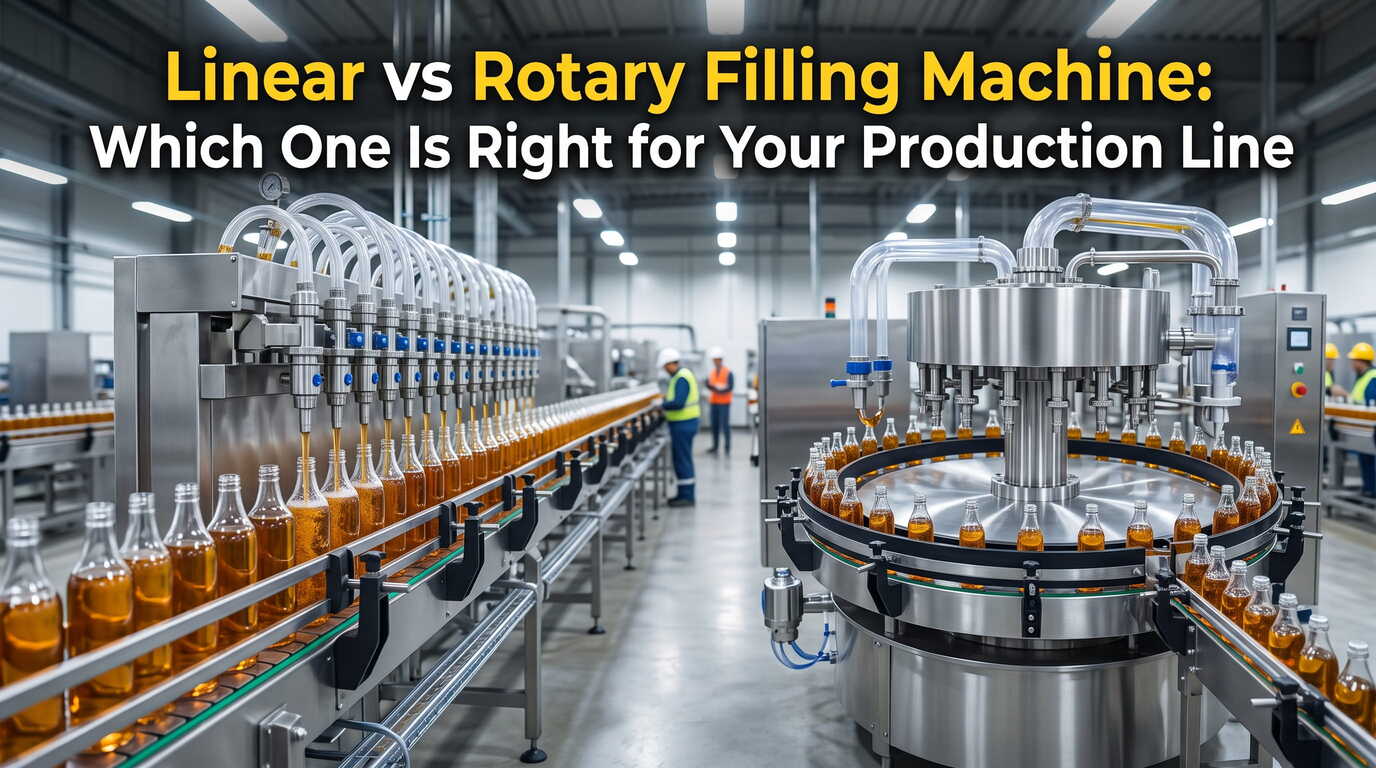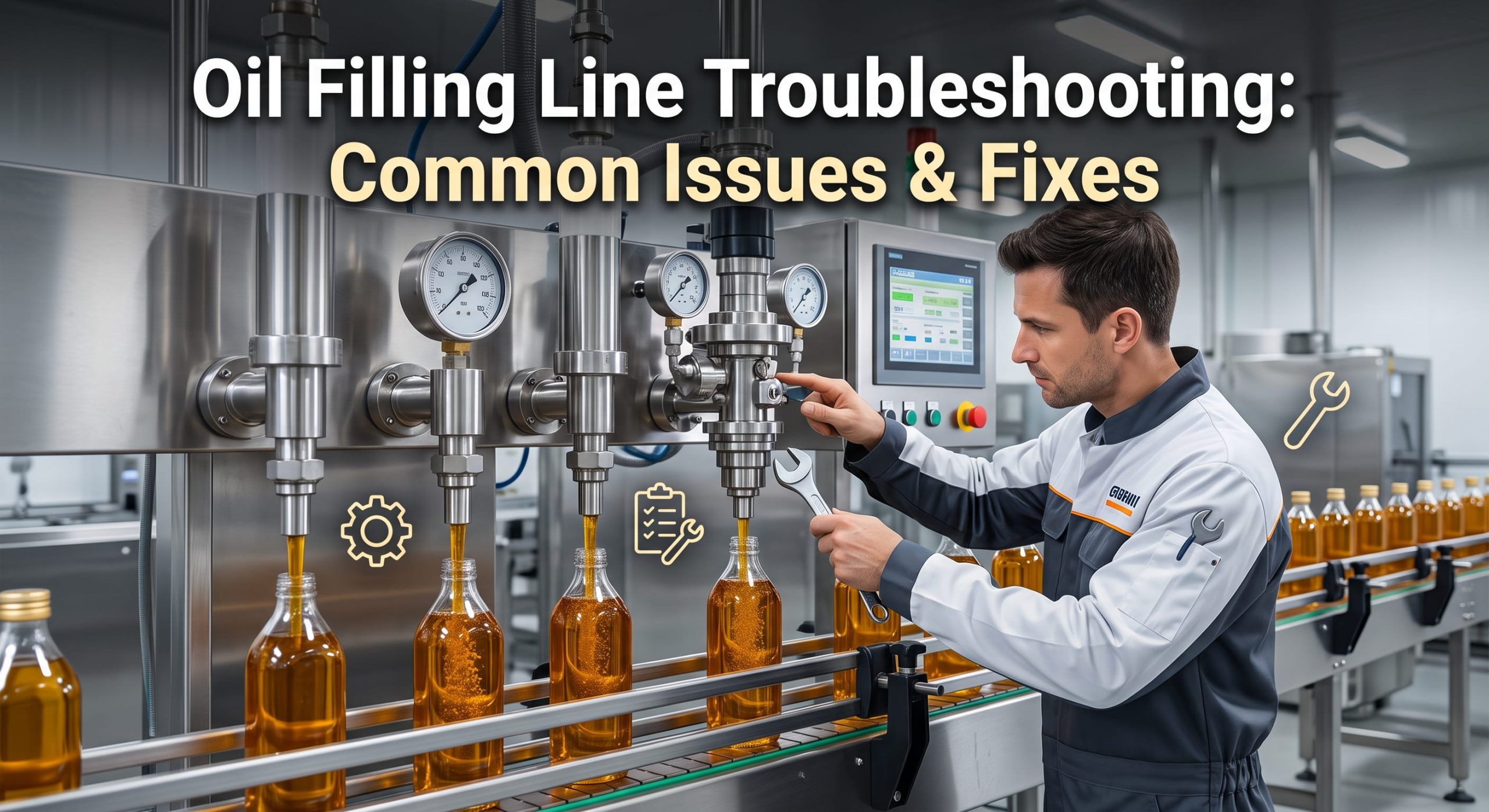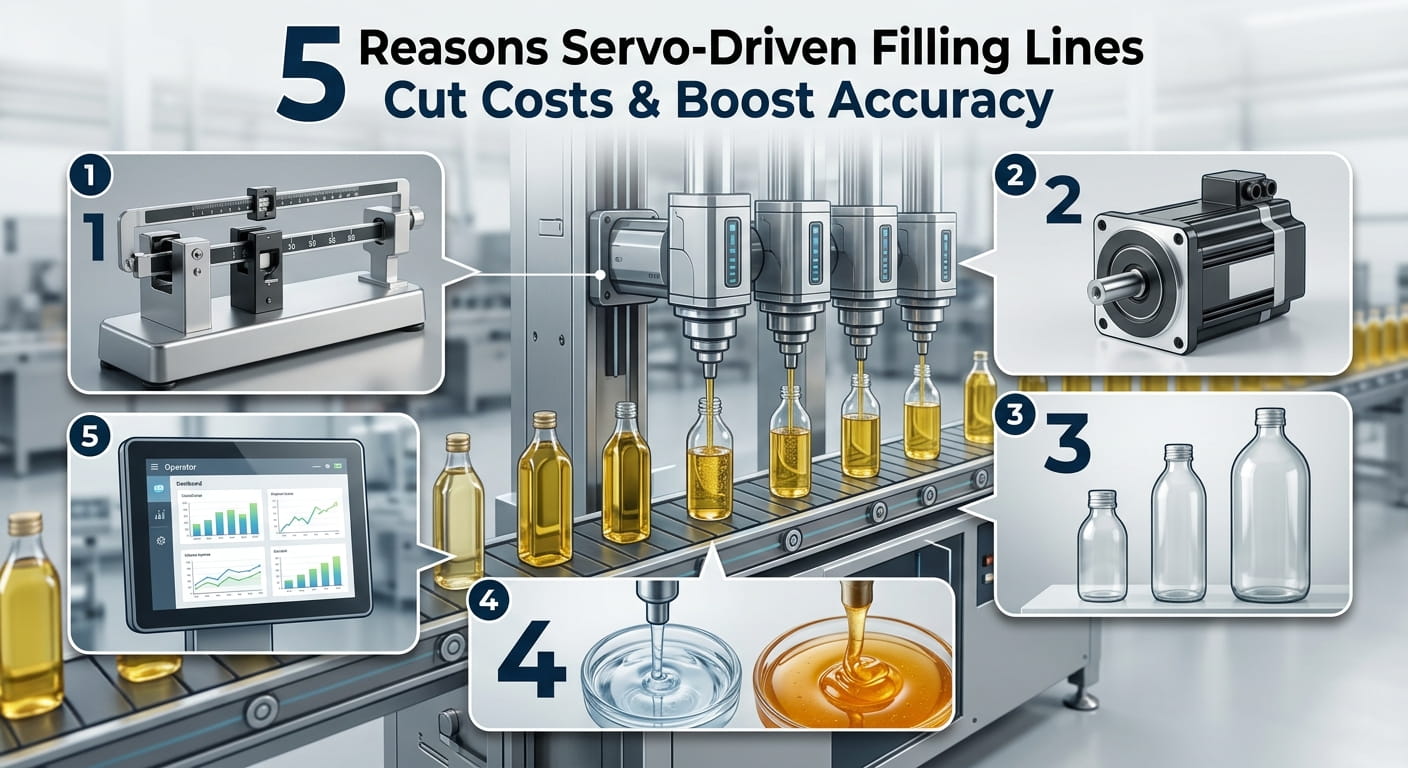
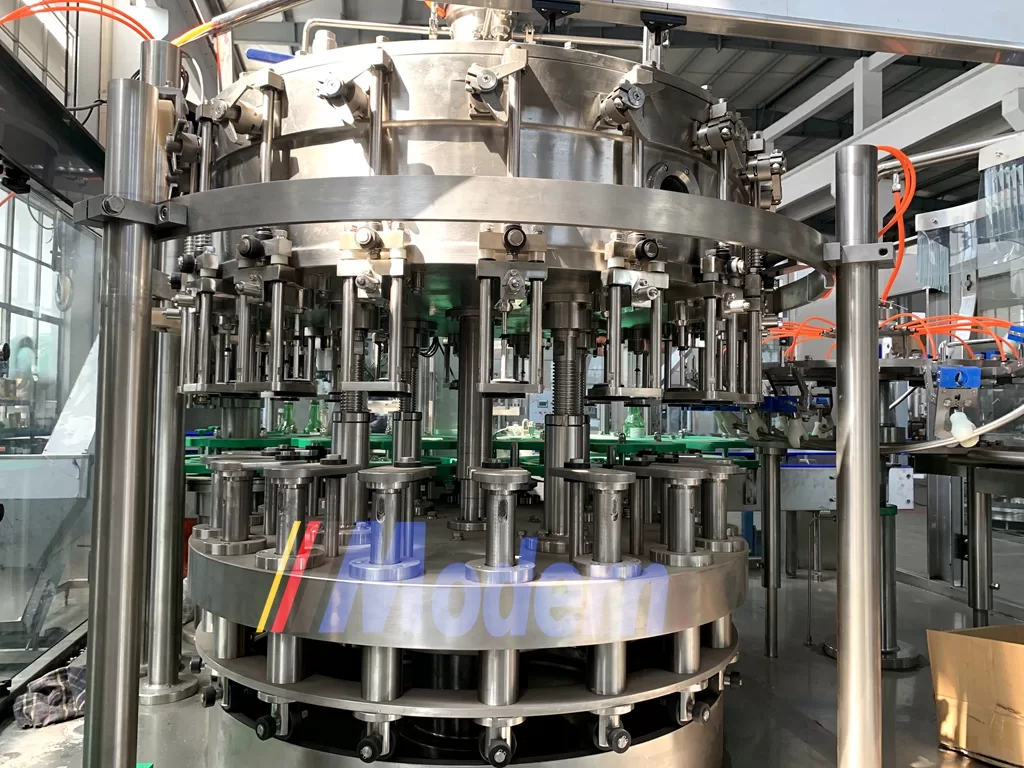
Dans le paysage en constante évolution de la production de boissons, les machines de remplissage d'eau jouent un rôle central, en particulier dans des pays comme la Chine qui sont des acteurs majeurs du marché mondial. Ces machines améliorent non seulement l'efficacité, mais garantissent également des normes de production de haute qualité. Alors que la demande en eau embouteillée et autres boissons continue d'augmenter, comprendre le fonctionnement, les types et les avantages des machines de remplissage d'eau peut fournir des informations précieuses aux entreprises cherchant à développer ou à optimiser leurs opérations. Cet article explore les différentes dimensions des machines de remplissage d'eau, offrant des conseils pratiques et exploitables aux parties prenantes de l'industrie des boissons.
L'évolution des machines de remplissage d'eau
Le parcours des machines de remplissage d'eau a été marqué par des avancées significatives au fil des décennies. Initialement, les processus manuels dominaient l'industrie des boissons, les travailleurs remplissant les bouteilles à la main. Cependant, avec l'augmentation de la demande des consommateurs, le besoin d'automatisation est devenu évident. La première vague de machines semi-automatisées a émergé, ouvrant la voie aux systèmes entièrement automatisés sophistiqués d'aujourd'hui.
Les machines de remplissage modernes intègrent des technologies de pointe telles que des automates programmables industriels (API), des capteurs et la robotique. Ces innovations améliorent non seulement l'efficacité, mais aussi la précision du remplissage, réduisant le gaspillage et maintenant les normes d'hygiène. Ainsi, comprendre l'évolution de ces machines donne un aperçu de leurs capacités actuelles et de leur potentiel futur.
Types de machines de remplissage d'eau
Les machines de remplissage d'eau se déclinent en plusieurs types, chacun étant conçu pour répondre à des besoins et à des échelles opérationnelles spécifiques. Les principales catégories comprennent :
A. Remplisseuses par gravité
Les machines de remplissage par gravité reposent sur la force de gravité pour remplir les bouteilles. Elles sont généralement adaptées aux boissons à faible viscosité, comme l'eau. Ces machines ont une conception simple, ce qui les rend rentables, mais elles peuvent ne pas offrir la vitesse ou la précision de modèles plus avancés.
B. Remplisseuses sous pression
Les machines de remplissage sous pression utilisent la pression pour pousser le liquide dans les bouteilles. Cette méthode est particulièrement efficace pour les boissons gazeuses et permet un remplissage rapide. Cependant, elle nécessite une conception plus complexe et est plus coûteuse que les remplisseuses par gravité.
C. Remplisseuses sous vide
Les machines de remplissage sous vide créent un vide dans les bouteilles pour faciliter le processus de remplissage. Cette méthode minimise le risque de déversement et garantit des niveaux de remplissage constants, ce qui la rend adaptée à une large gamme de liquides, y compris ceux sensibles à l'exposition à l'air.
D. Machines automatiques de rinçage et de remplissage
Ces machines combinent le rinçage, le remplissage et le bouchage en un seul processus automatisé. Elles réduisent considérablement le travail manuel et augmentent les taux de production. Ces machines sont particulièrement bénéfiques pour les opérations d'embouteillage à grande échelle où l'efficacité et la vitesse sont des priorités.
Caractéristiques clés à prendre en compte
Lors de l'évaluation des machines de remplissage d'eau, plusieurs caractéristiques clés doivent être prises en compte pour garantir des performances optimales et une adéquation avec les exigences opérationnelles spécifiques :
A. Vitesse et rendement
La vitesse à laquelle une machine peut remplir les bouteilles affecte directement la capacité de production. Évaluer le rendement de la machine en termes de bouteilles par heure est crucial pour s'aligner sur les objectifs commerciaux. Les machines à haute vitesse peuvent représenter un investissement, mais elles sont rentabilisées par une productivité accrue.
B. Normes d'hygiène
L'hygiène est primordiale dans la production de boissons. Les machines doivent être conçues pour faciliter le nettoyage et l'entretien. Recherchez des caractéristiques telles qu'une construction en acier inoxydable et des composants pouvant être démontés pour un nettoyage en profondeur sans nécessiter d'outils spécialisés.
C. Précision
La précision du remplissage est essentielle pour éviter à la fois le sur-remplissage et le sous-remplissage, ce qui peut entraîner un gaspillage de produit et l'insatisfaction des clients. Une technologie avancée telle que les débitmètres peut améliorer la précision du processus de remplissage.
Avantages de l'utilisation des machines de remplissage d'eau
L'intégration de machines de remplissage d'eau dans votre ligne de production offre une myriade d'avantages qui contribuent à l'efficacité opérationnelle globale et à la qualité du produit :
A. Efficacité accrue
Les processus de remplissage automatisés réduisent considérablement le temps et les coûts de main-d'œuvre associés au remplissage manuel. Cette efficacité permet aux entreprises de répondre à la demande croissante des consommateurs sans sacrifier la qualité.
B. Rentabilité
Bien que l'investissement initial dans des machines de remplissage de haute qualité puisse être substantiel, les économies à long terme réalisées grâce à la réduction des coûts de main-d'œuvre, à la minimisation du gaspillage et à l'amélioration de la productivité peuvent en faire une dépense rentable.
C. Assurance qualité
Les machines de remplissage conçues avec une technologie de précision garantissent que chaque bouteille est remplie selon la norme exacte, contribuant à une qualité de produit constante. Cette fiabilité est cruciale pour renforcer la confiance des consommateurs envers la marque.
Mise en œuvre d'une machine de remplissage d'eau dans votre exploitation
L'intégration d'une machine de remplissage d'eau dans votre ligne de production implique plusieurs étapes et considérations :
A. Évaluez vos besoins
Commencez par évaluer votre capacité de production, les types de boissons que vous avez l'intention de remplir et votre budget. Comprendre vos besoins spécifiques vous guidera dans le choix de la machine la plus adaptée.
B. Recherchez et comparez les modèles
Prenez le temps de rechercher différents modèles et fabricants. Recherchez des avis, des témoignages d'utilisateurs et des études de cas pour évaluer les performances et la fiabilité des machines que vous envisagez.
C. Envisagez une installation professionnelle
L'installation professionnelle de votre machine peut aider à éviter les problèmes potentiels et garantir qu'elle fonctionne de manière transparente. Il est également judicieux d'investir dans la formation de votre personnel pour manipuler la machine et effectuer efficacement l'entretien courant.
Tendances futures des machines de remplissage d'eau
L'avenir des machines de remplissage d'eau est prometteur pour une innovation continue. À mesure que la technologie progresse, nous pouvons nous attendre à voir des améliorations en matière d'automatisation, d'intelligence artificielle et d'apprentissage automatique intégrées aux processus d'embouteillage. Ces innovations amélioreront encore l'efficacité, les machines étant capables d'ajuster leurs opérations en temps réel en fonction des conditions environnementales ou des fluctuations de la demande.
De plus, la durabilité devient de plus en plus importante dans les processus de production. Les futures machines pourraient intégrer des pratiques respectueuses de l'environnement, telles que la minimisation de la consommation d'énergie et la réduction des déchets plastiques grâce à une meilleure conception et à des options de recyclage.
Conclusion
Les machines de remplissage d'eau représentent un investissement essentiel pour les entreprises du secteur des boissons. Comprendre les différents types de machines, leurs fonctionnalités et les avantages qu'elles offrent peut vous aider à prendre des décisions éclairées, en adéquation avec vos objectifs opérationnels. Grâce aux avancées technologiques, les capacités de ces machines ne cessent de se développer, ouvrant la voie à une efficacité accrue et à une meilleure qualité de produit. Alors que la demande en boissons augmente, l'intégration de machines de remplissage d'eau de haute qualité dans votre ligne de production sera indispensable pour rester compétitif sur le marché mondial.