
Dans le monde de la fabrication et du conditionnement, les machines de remplissage jouent un rôle crucial pour garantir que les produits sont remplis avec précision et efficacité dans leurs contenants respectifs. Des boissons liquides aux poudres sèches, ces machines sont conçues pour s'adapter à une large gamme de produits et de types d'emballages. Cet article vise à fournir une compréhension approfondie des différents types de machines de remplissage disponibles sur le marché, de leurs applications et des considérations pratiques pour les entreprises souhaitant investir dans ces équipements essentiels.
Comprendre les machines de remplissage
Les machines de remplissage sont des dispositifs automatisés qui distribuent une quantité prédéterminée de produit dans des contenants tels que des bouteilles, des bocaux, des sachets et des cartons. Le choix de la machine de remplissage dépend de plusieurs facteurs, notamment la nature du produit, le type de contenant, la vitesse de production et les exigences de précision. L'objectif principal de ces machines est d'améliorer la productivité tout en minimisant le gaspillage et en garantissant la qualité du produit.
Types de machines de remplissage
Les machines de remplissage peuvent être classées en fonction du type de produit qu'elles sont conçues pour traiter. Voici les principaux types de machines de remplissage, chacune avec ses caractéristiques et applications uniques.
1. Machines de remplissage de liquides
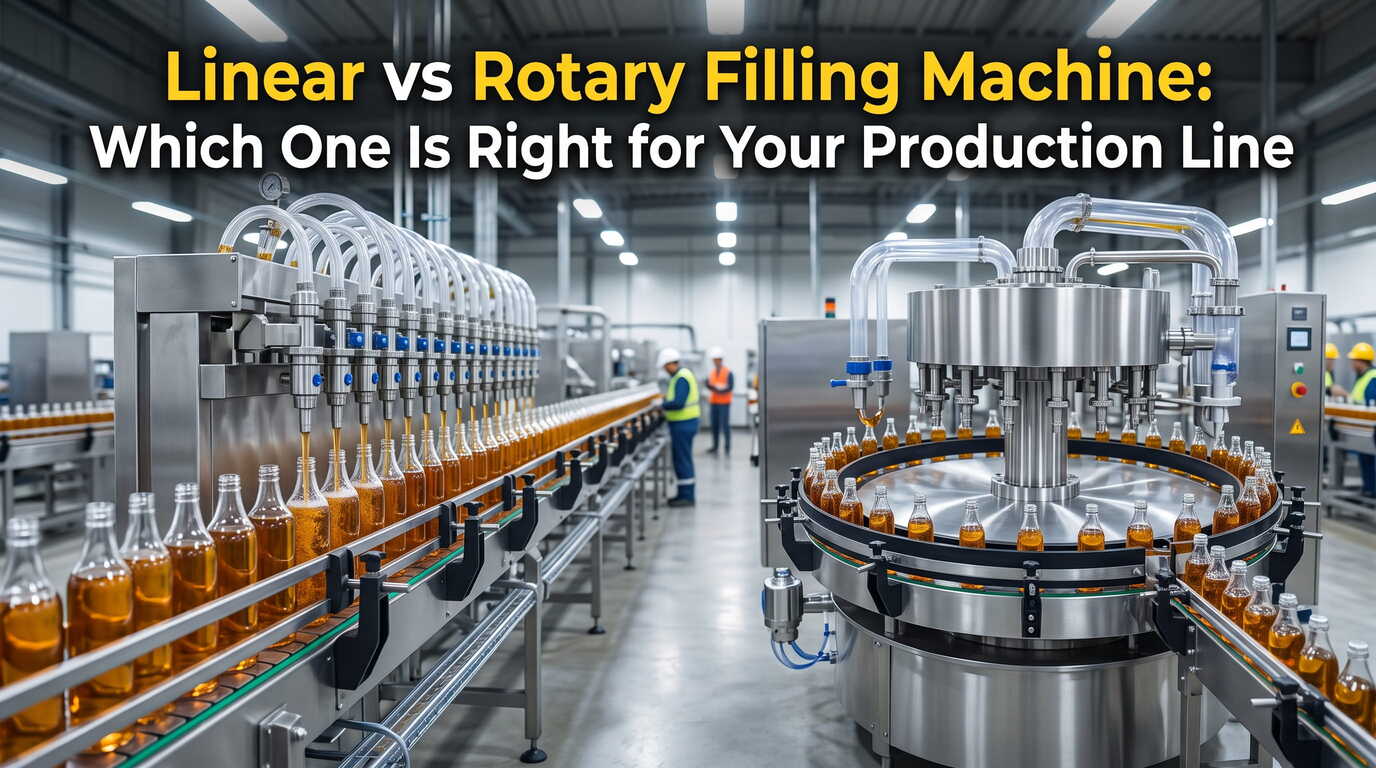
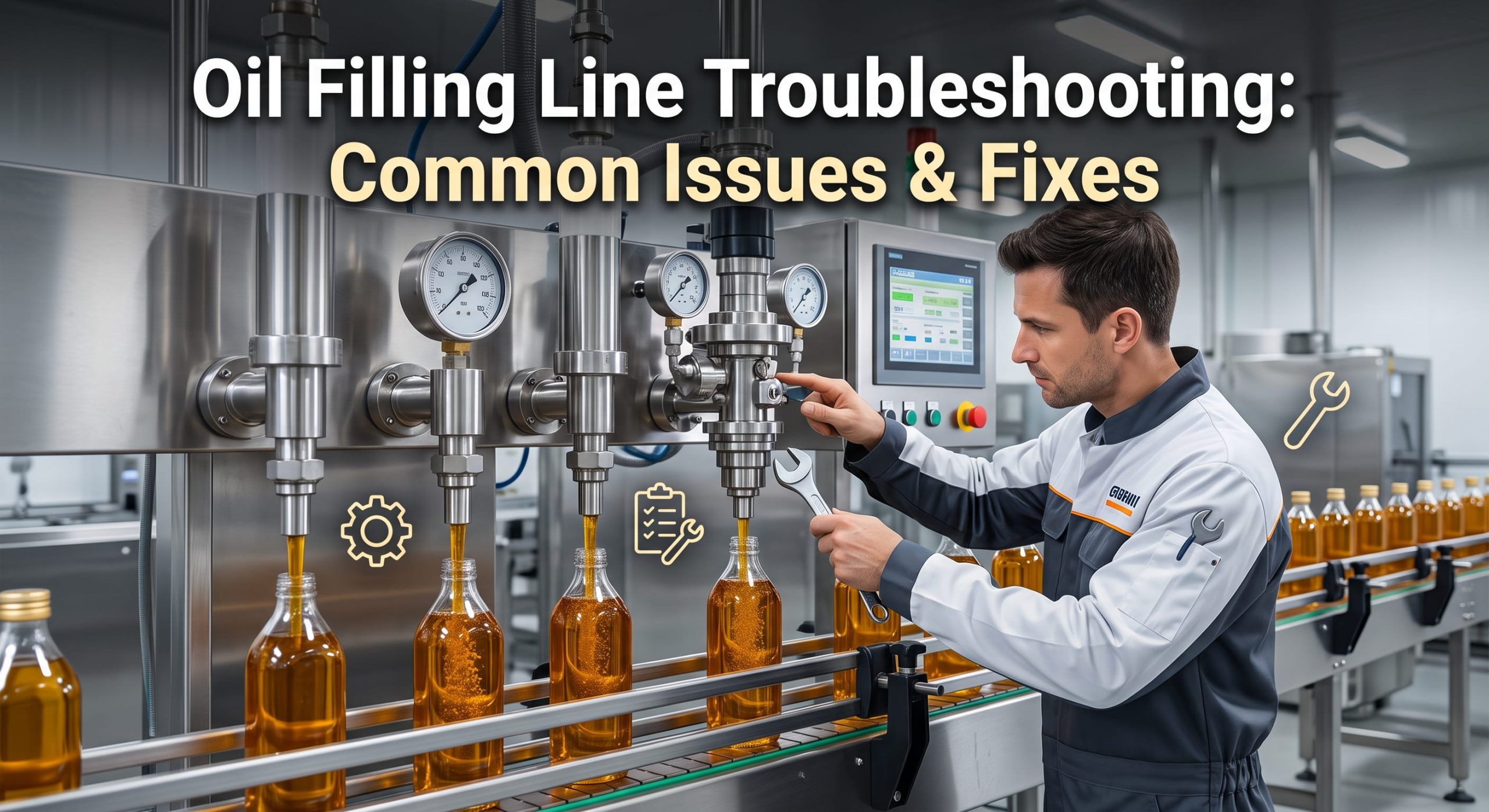
Les machines de remplissage de liquides comptent parmi les types d'équipements de remplissage les plus courants utilisés dans diverses industries, notamment l'agroalimentaire, la pharmacie et la cosmétique. Ces machines sont conçues pour traiter une large gamme de produits liquides, de l'eau et des jus aux huiles et crèmes. Les machines de remplissage de liquides peuvent être subdivisées en plusieurs catégories :
1.1 Machines de remplissage volumétrique
Les machines de remplissage volumétrique distribuent un volume spécifique de liquide dans les contenants. Elles fonctionnent selon des principes de piston ou de gravité. Les remplisseuses à piston utilisent un mécanisme de piston pour aspirer et distribuer le liquide, garantissant une grande précision. Les remplisseuses par gravité, quant à elles, reposent sur la force de gravité pour remplir les contenants et sont généralement utilisées pour les liquides moins visqueux.
1.2 Machines de remplissage par débordement
Les machines de remplissage par débordement sont conçues pour remplir les contenants jusqu'au même niveau, indépendamment de leur forme ou de leur taille. Ce type de machine est idéal pour les produits nécessitant un niveau de remplissage constant, tels que les parfums et les sauces spécialisées. Le principe de débordement garantit que tout excès de liquide est renvoyé vers le réservoir, minimisant ainsi le gaspillage.
1.3 Machines de remplissage sous vide
Les machines de remplissage sous vide utilisent le vide pour aspirer le liquide dans le contenant. Cette méthode est particulièrement efficace pour remplir des liquides visqueux et des produits susceptibles de mousser pendant le processus de remplissage. La méthode sous vide garantit que le contenant est rempli sans poches d'air, ce qui est crucial pour maintenir l'intégrité du produit.
2. Machines de remplissage de poudre
Les machines de remplissage de poudre sont conçues pour traiter des produits secs tels que la farine, le sucre, les épices et les poudres pharmaceutiques. Ces machines peuvent être classées comme suit :
2.1 Machines de remplissage à vis sans fin (Auger)
Les machines de remplissage à vis sans fin utilisent une vis rotative pour distribuer une quantité spécifique de poudre dans les contenants. Elles sont très précises et sont couramment utilisées pour remplir des poudres ayant des caractéristiques d'écoulement variables. Les remplisseuses à vis peuvent être équipées de différentes tailles et vitesses de vis pour s'adapter aux différents types de poudre.
2.2 Machines de remplissage par gravité
Similaires aux remplisseuses de liquides par gravité, les machines de remplissage de poudre par gravité utilisent la gravité pour remplir les contenants. Elles sont mieux adaptées aux poudres à écoulement libre et sont souvent utilisées conjointement avec des trémies pour maintenir un approvisionnement constant en produit.
3. Machines de remplissage de granulés
Les machines de remplissage de granulés sont spécifiquement conçues pour le remplissage de produits solides tels que les céréales, les graines et les petites pastilles. Ces machines peuvent être volumétriques ou basées sur le poids, selon la précision souhaitée et le type de produit.
3.1 Machines de remplissage par pesée
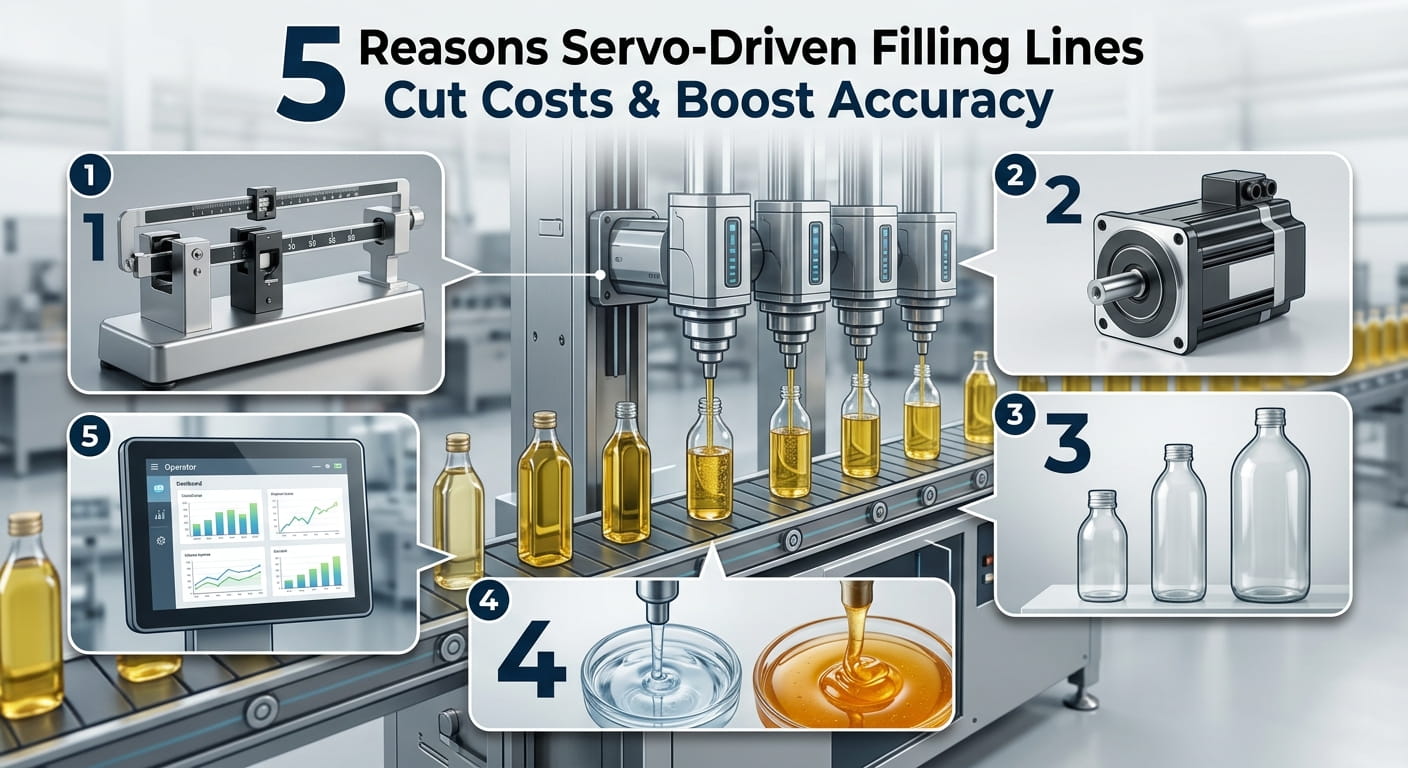
Les machines de remplissage par pesée utilisent des capteurs de pesage pour mesurer le poids du produit distribué. Cette méthode offre une grande précision et est souvent privilégiée pour les produits nécessitant des mesures exactes, tels que les produits pharmaceutiques et les produits alimentaires spécialisés.
3.2 Machines de remplissage vibrantes
Les machines de remplissage vibrantes utilisent la vibration pour aider à tasser les granulés dans les contenants. Cette technologie est particulièrement utile pour les produits qui ont tendance à s'agglutiner ou à créer des poches d'air pendant le processus de remplissage, assurant un remplissage plus homogène.
Choisir la bonne machine de remplissage
Lors de la sélection d'une machine de remplissage, les entreprises doivent prendre en compte plusieurs facteurs critiques pour s'assurer de choisir l'équipement le mieux adapté à leurs besoins :
1. Caractéristiques du produit
Comprendre la nature du produit à remplir est primordial. Des facteurs tels que la viscosité, la fluidité et le fait que le produit soit solide, liquide ou en poudre dicteront le type de machine de remplissage requis. Par exemple, une crème épaisse nécessitera une machine de remplissage différente de celle utilisée pour un liquide fluide.</p