
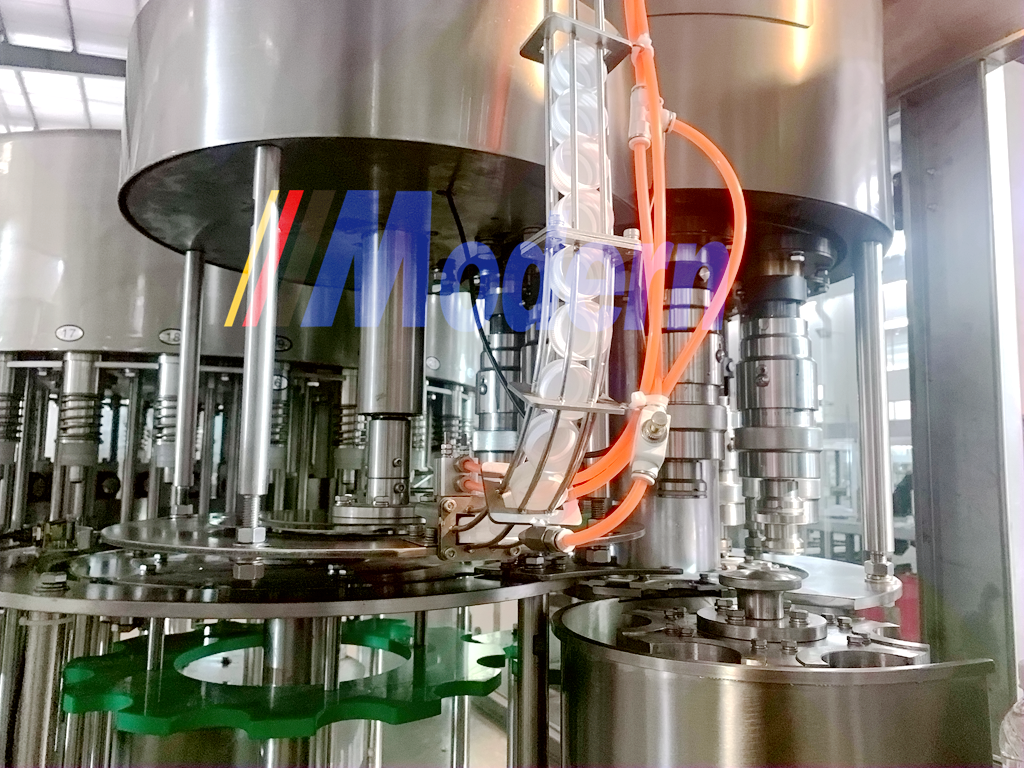
Dans un monde de plus en plus soucieux de sa santé, la demande pour les produits à base de jus ne cesse de croître. Cependant, pour rester compétitifs sur ce marché lucratif, les fabricants doivent adopter des méthodes de production efficaces. Un élément essentiel de ces opérations est la machine de remplissage de jus en bouteilles PET. Ces machines sont vitales pour le processus de conditionnement, aidant à maintenir la qualité du produit tout en maximisant le rendement. Dans ce guide complet, nous explorerons tout ce que vous devez savoir sur les machines de remplissage de jus en bouteilles PET, de leurs types et fonctionnalités aux conseils opérationnels et aux tendances du marché.
Comprendre les bouteilles PET
Avant de plonger dans les nuances des machines de remplissage de jus, il est essentiel de comprendre le matériau avec lequel elles travaillent principalement : le PET (polyéthylène téréphtalate). Ce polymère thermoplastique est reconnu pour sa résistance, sa transparence et ses propriétés de barrière, ce qui en fait un favori de l'industrie pour le conditionnement des boissons.
Les avantages des bouteilles PET pour le conditionnement des jus incluent :
- Légèreté : Les bouteilles PET sont plus légères que le verre, ce qui réduit les coûts d'expédition.
- Résistance aux chocs : Elles sont robustes et peuvent résister à une manipulation brutale pendant le transport.
- Recyclabilité : Le PET est recyclable, ce qui en fait une option respectueuse de l'environnement.
- Clarté : Les bouteilles PET offrent une excellente visibilité du produit, améliorant ainsi les efforts marketing.
Le rôle des machines de remplissage de jus
Les machines de remplissage de jus sont essentielles pour automatiser le processus de mise en bouteille. En rationalisant la production, elles améliorent l'efficacité opérationnelle, garantissant que les fabricants peuvent répondre à la demande croissante des consommateurs. Il existe différents types de machines de remplissage de jus, chacune adaptée à des besoins de production spécifiques. Comprendre ces options aide les entreprises à choisir le bon modèle.
Types de remplisseuses de jus
Les machines de remplissage de jus peuvent être classées en plusieurs types en fonction de leur mode de fonctionnement et de leurs techniques de remplissage :
1. Machines de remplissage par gravité
Les machines de remplissage par gravité utilisent la force de gravité pour remplir les contenants. Ces machines sont idéales pour les liquides fluides tels que les jus. Leur simplicité permet une utilisation et un entretien faciles. Cependant, elles peuvent être moins adaptées aux produits plus épais, pour lesquels une stratégie de remplissage différente peut être nécessaire.
2. Remplisseuses sous vide
Ces machines sont conçues pour éliminer l'air des bouteilles pendant le processus de remplissage, ce qui aide à préserver la fraîcheur du produit. Elles sont particulièrement bénéfiques pour les jus qui nécessitent une durée de conservation plus longue tout en évitant l'oxydation et la détérioration.
3. Machines de remplissage sous pression
Les machines de remplissage sous pression utilisent la pression de l'air pour remplir les bouteilles. Elles sont particulièrement efficaces pour les boissons gazeuses, mais peuvent également traiter des produits à base de jus. Cette méthode garantit un processus de remplissage rapide, ce qui la rend adaptée aux lignes de production à haut volume.
4. Machines de remplissage rotatives
Les machines de remplissage rotatives sont connues pour leur grande efficacité, souvent utilisées dans la production à grande échelle. Ces machines disposent généralement de plusieurs têtes de remplissage, permettant le remplissage simultané de plusieurs bouteilles. Cela se traduit par un processus de mise en bouteille rapide et efficace, ce qui en fait un excellent investissement pour les entreprises cherchant à augmenter leur production.
Caractéristiques clés à prendre en compte
Le choix de la bonne machine de remplissage de jus en bouteilles PET implique l'évaluation de multiples caractéristiques. Voici les éléments clés à prendre en compte :
1. Vitesse et capacité
Évaluez vos besoins de production. Les machines varient considérablement en termes de vitesse, souvent mesurée en bouteilles par heure. Assurez-vous que la machine que vous choisissez peut gérer votre rendement requis.
2. Adaptabilité
Recherchez des machines faciles à régler pour différentes tailles et types de bouteilles. Cette flexibilité est cruciale si vous prévoyez d'élargir votre gamme de produits à l'avenir.
3. Précision
Un remplissage précis est vital pour minimiser le gaspillage et garantir une qualité de produit constante. Envisagez des machines intégrant des débitmètres ou des capteurs pour améliorer la précision.
4. Normes d'hygiène
Les matériaux de qualité alimentaire et les conceptions conformes aux réglementations sanitaires sont essentiels. Assurez-vous que la machine permet un nettoyage et un entretien faciles pour éviter toute contamination.
5. Automatisation et intégration
Les machines modernes offrent des fonctionnalités d'automatisation, telles que des systèmes de contrôle numérique, qui peuvent simplifier les opérations. L'intégration avec d'autres processus de production, comme l'étiquetage et le bouchage, peut améliorer l'efficacité globale.
Conseils opérationnels pour l'efficacité
Investir dans une machine de remplissage de jus en bouteilles PET n'est qu'un début. Pour maximiser la productivité et la qualité du produit, envisagez les stratégies opérationnelles suivantes :
1. Entretien régulier
Mettez en œuvre un calendrier de maintenance de routine pour identifier et résoudre les problèmes potentiels. Des vérifications régulières des pièces mobiles, des joints et des capteurs garantiront que la machine fonctionne à des performances optimales.
2. Formation des opérateurs
Des opérateurs bien formés sont essentiels au succès du fonctionnement de la machine. Offrez une formation complète sur l'utilisation, le dépannage et l'entretien de la machine de remplissage pour atténuer les erreurs.
3. Contrôle qualité
Intégrez des mesures de contrôle qualité à chaque étape du processus de remplissage. Des échantillons aléatoires de bouteilles remplies peuvent être vérifiés pour les niveaux de remplissage, le scellage des bouchons et la précision de l'étiquetage.
4. Surveillez les indicateurs de production
Suivez les indicateurs de production, tels que les taux de remplissage et les temps d'arrêt. L'analyse de ces statistiques peut aider à identifier les domaines d'amélioration et à accroître l'efficacité globale.
Tendances du marché et perspectives d'avenir
Le paysage de l'industrie du conditionnement des jus est en constante évolution, porté par les préférences des consommateurs et les préoccupations environnementales. Voici quelques tendances clés à surveiller :
1. Emballage écologique
Alors que la durabilité gagne en importance, les consommateurs privilégient de plus en plus les marques qui donnent la priorité aux pratiques respectueuses de l'environnement. Les entreprises devraient explorer l'utilisation de matériaux biodégradables et l'introduction d'options d'emballage rechargeables.
2. Tendances axées sur la santé
Face à la demande croissante pour les jus naturels et biologiques, les fabricants doivent adapter leurs offres. Mettre l'accent sur des ingrédients sains et une transformation minimale peut renforcer l'attrait des produits.
3. Innovations technologiques
Les avancées technologiques, telles que l'IA et l'IoT, transforment le processus de production. Les machines intelligentes qui surveillent les performances et prédisent les besoins de maintenance peuvent révolutionner l'efficacité de la production de jus.
Conclusion
Investir dans une machine de remplissage de bouteilles en PET pour jus peut considérablement améliorer votre efficacité de production et la qualité de vos produits. En comprenant les types de machines disponibles, les fonctionnalités clés, les meilleures pratiques opérationnelles et les tendances émergentes du marché, les fabricants peuvent prendre des décisions éclairées qui s'alignent sur leurs objectifs stratégiques. Alors que les préférences des consommateurs continuent d'évoluer, rester adaptable et axé sur l'innovation positionnera votre entreprise pour un succès durable sur le marché concurrentiel des jus.


