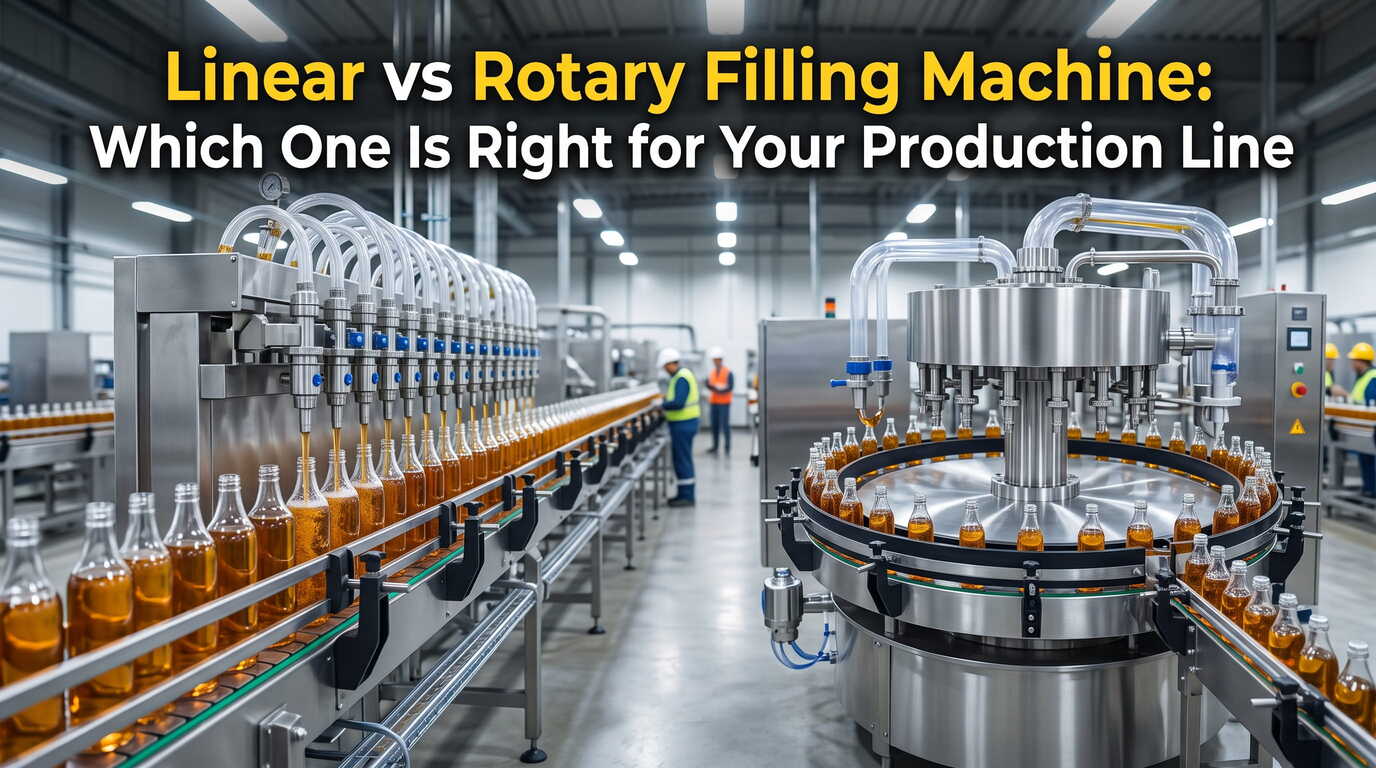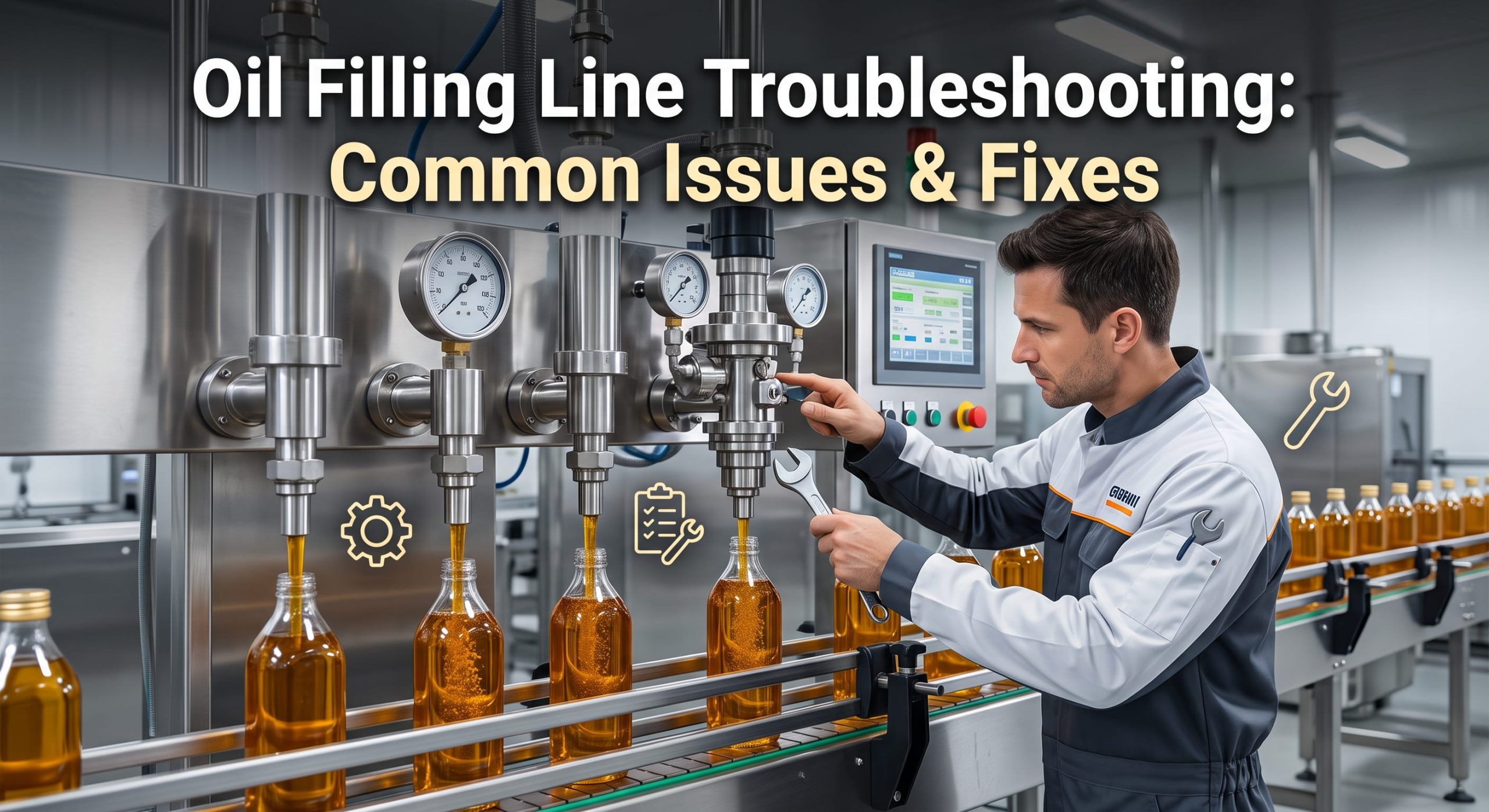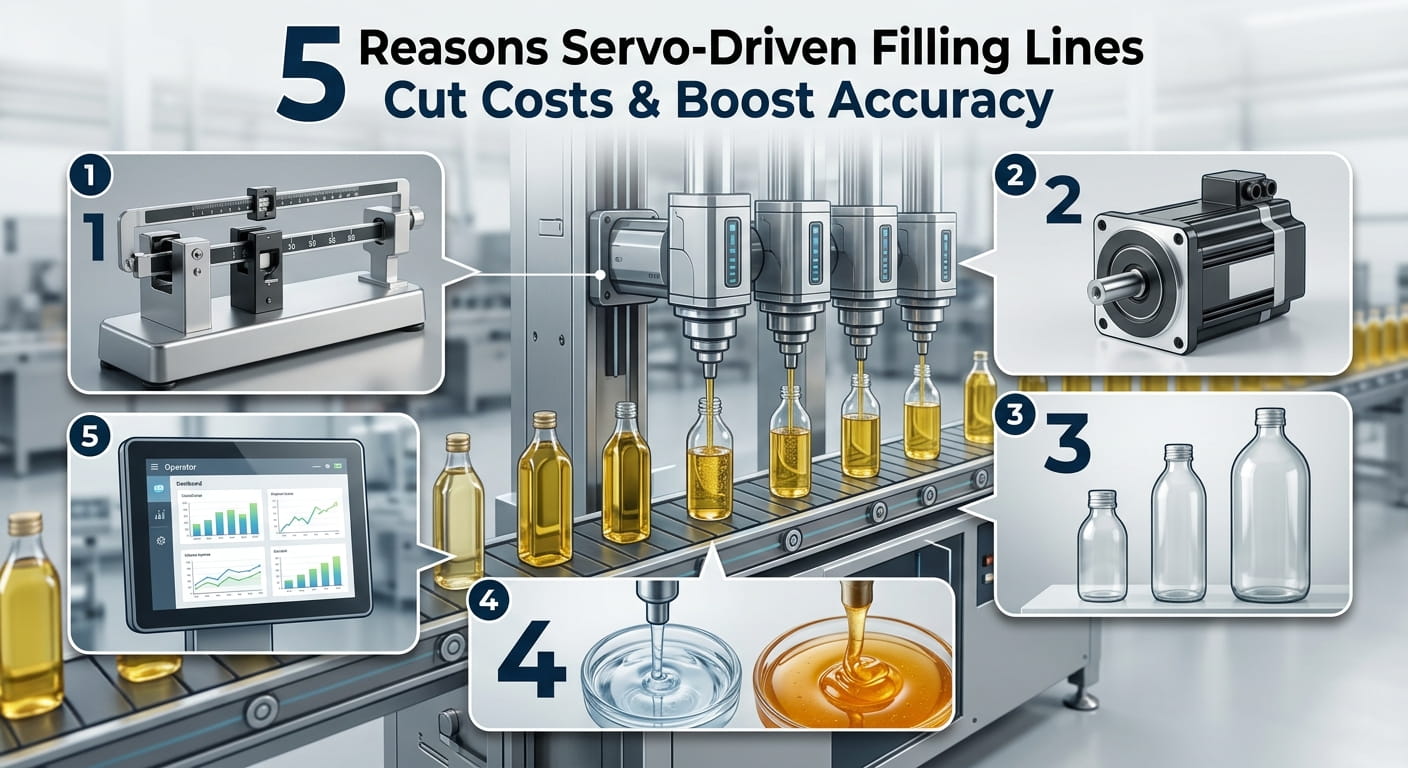
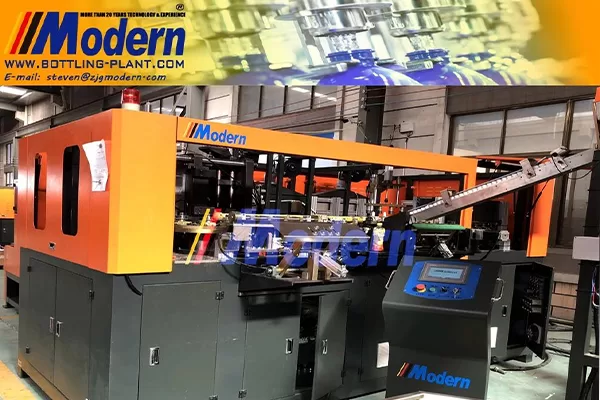
L'industrie des boissons est un segment vital de l'économie mondiale, caractérisé par ses tendances dynamiques et ses innovations. Au sein de cette industrie, la ligne de conditionnement constitue un cœur battant essentiel, influençant l'efficacité, la qualité et la productivité globale. Alors que la demande des consommateurs continue d'augmenter, les fabricants de boissons se tournent vers des technologies de pointe pour rationaliser leurs opérations et améliorer la cohérence de leurs produits. Dans cet article, nous explorerons les divers aspects des lignes de conditionnement de boissons, les dernières avancées technologiques, les stratégies d'amélioration de l'efficacité, les considérations liées à la durabilité et des conseils pratiques pour les entreprises cherchant à optimiser leurs processus de remplissage.
L'évolution des lignes de conditionnement de boissons
Historiquement, les lignes de conditionnement de boissons étaient exploitées manuellement, nécessitant une main-d'œuvre importante et des processus chronophages. Cependant, à mesure que les exigences du marché ont évolué, la technologie associée au conditionnement des boissons a suivi le mouvement. Aujourd'hui, ces lignes de conditionnement se sont transformées en systèmes hautement automatisés, équipés de machines sophistiquées et de systèmes de contrôle qui réduisent considérablement les coûts de main-d'œuvre et améliorent la précision.
Différents types de lignes de conditionnement de boissons
Comprendre les différents types de lignes de conditionnement disponibles est essentiel pour les fabricants de boissons. Il existe de multiples classifications basées sur le type de boisson et le mécanisme de remplissage :
- Lignes de remplissage de liquides : Elles sont conçues pour l'eau, les jus et autres produits liquides. Elles utilisent des méthodes de remplissage par gravité, sous pression ou sous vide.
- Lignes de conditionnement pour boissons gazeuses : Spécifiquement conçues pour traiter les boissons gazeuses, ces systèmes maintiennent les niveaux de carbonatation pendant le processus de remplissage.
- Lignes de conditionnement pour l'alimentation et les produits laitiers : Elles exigent des normes d'hygiène et de sécurité strictes, utilisant des techniques aseptiques pour prévenir toute contamination.
- Variantes d'emballage : Selon l'emballage, les lignes peuvent être adaptées aux bouteilles, aux canettes ou aux sachets. Chaque type possède ses propres mécanismes de remplissage.
Avancées technologiques dans les lignes de conditionnement de boissons
L'intégration de la technologie dans les lignes de conditionnement de boissons a conduit à des améliorations en termes de vitesse, de précision et de fiabilité. Voici quelques avancées significatives que les fabricants devraient prendre en compte :
Automatisation et robotique
Les systèmes de remplissage automatisés ont révolutionné l'industrie en améliorant l'efficacité et en minimisant l'erreur humaine. Grâce à la robotique, les fabricants peuvent obtenir des opérations fluides, une vitesse accrue et une réduction du risque de contamination. Les systèmes automatisés peuvent s'adapter aux changements de volume de production et aider à maintenir une qualité constante entre les lots.
Capteurs intelligents et IoT
L'avènement de la technologie de l'Internet des objets (IoT) a facilité la surveillance en temps réel des processus de production. Des capteurs intelligents intégrés aux lignes de conditionnement fournissent des données sur les débits, les températures et les niveaux de pression. Ces informations aident les opérateurs à prendre des décisions éclairées rapidement, à optimiser le processus de remplissage et à réduire les temps d'arrêt.
Systèmes de contrôle avancés
Les lignes de conditionnement modernes exploitent des systèmes de contrôle sophistiqués pour gérer efficacement les processus. Ces systèmes permettent aux fabricants de programmer des paramètres de remplissage spécifiques et de réagir rapidement aux fluctuations opérationnelles. De plus, les interfaces de contrôle centralisées améliorent la facilité d'utilisation et garantissent que les opérateurs peuvent surveiller plusieurs lignes sans perdre de vue les indicateurs de performance.
Contrôle qualité amélioré des produits
Assurer la qualité du produit est primordial dans l'industrie des boissons. Les lignes de conditionnement avancées intègrent désormais des systèmes de vision qui inspectent les contenants pour détecter les défauts, garantissant que seuls des produits de haute qualité atteignent les consommateurs. De plus, les lignes de remplissage automatisées peuvent détecter les variations de volume, contribuant ainsi au respect des normes réglementaires et à la satisfaction des consommateurs.
Stratégies d'amélioration de l'efficacité
Augmenter l'efficacité des lignes de conditionnement de boissons est crucial pour maximiser la rentabilité. Voici plusieurs stratégies que les fabricants peuvent mettre en œuvre :
Maintenance et mises à niveau régulières
Pour maintenir les lignes de conditionnement à une efficacité optimale, les fabricants doivent établir un calendrier de maintenance de routine. Des contrôles réguliers et des mises à niveau opportunes des machines peuvent prévenir les temps d'arrêt imprévus et garantir le bon fonctionnement de l'équipement. Investir dans les dernières technologies augmentera la capacité de production et l'efficacité.
Formation et développement des employés
Les employés sont au cœur de tout processus de fabrication, et leurs compétences ont un impact direct sur l'efficacité opérationnelle. Offrir une formation continue garantit que le personnel maîtrise parfaitement la technologie des lignes de conditionnement avancées. De plus, donner aux employés les moyens d'identifier et de résoudre les problèmes peut conduire à des gains d'efficacité significatifs et à une meilleure qualité de produit.
Optimisation du flux de travail
L'analyse et la refonte des processus de flux de travail peuvent conduire à des améliorations substantielles de l'efficacité. Rationaliser les opérations en minimisant les goulots d'étranglement, en assurant un placement approprié des machines et en maximisant l'accès aux équipements peut entraîner des flux de production plus fluides et des temps de cycle réduits.
Explorer la durabilité dans les lignes de conditionnement de boissons
À mesure que les consommateurs deviennent plus soucieux de l'environnement, l'industrie des boissons subit une pression croissante pour adopter des pratiques durables. Les lignes de conditionnement de boissons peuvent contribuer aux efforts de durabilité des manières suivantes :
Réduction des déchets
Les machines de remplissage modernes sont conçues pour minimiser les déchets générés pendant le processus de remplissage. La mise en œuvre de techniques de remplissage précises peut diminuer le surremplissage et réduire la quantité de produit gaspillé. De plus, les fabricants peuvent recycler les matériaux utilisés dans le processus de remplissage, tels que les matériaux d'emballage, renforçant ainsi la durabilité.
Efficacité énergétique
Investir dans des machines économes en énergie peut réduire considérablement les coûts opérationnels et diminuer l'empreinte environnementale. De nombreuses nouvelles lignes de conditionnement sont conçues pour consommer moins d'énergie tout en maintenant les niveaux de production. De plus, l'utilisation de sources d'énergie renouvelables peut encore améliorer la durabilité des processus de fabrication.
Préservation de l'eau
L'industrie des boissons dépend souvent fortement de l'eau. La mise en œuvre de technologies d'économie d'eau, telles que les systèmes en circuit fermé et le recyclage de l'eau, peut réduire la consommation et la production d'eaux usées. Les fabricants doivent constamment évaluer leur utilisation de l'eau pour identifier les domaines à améliorer et les pratiques de durabilité.
Tendances futures des lignes de conditionnement de boissons
En regardant vers l'avenir, plusieurs tendances sont prêtes à remodeler l'avenir des lignes de conditionnement de boissons :
Personnalisation et flexibilité
À mesure que les préférences des consommateurs évoluent et que la demande pour des produits personnalisés augmente, les lignes de conditionnement devront s'adapter en conséquence. Les fabricants pourraient avoir besoin de systèmes de remplissage flexibles capables de basculer facilement entre différents produits, tailles et types d'emballage sans temps d'arrêt significatif.
Intégration de l'intelligence artificielle
L'utilisation de l'intelligence artificielle dans la fabrication devrait prendre de l'ampleur. L'IA peut améliorer la maintenance prédictive en analysant les tendances des données, identifiant ainsi de manière préventive les problèmes potentiels avant qu'ils ne conduisent à des pannes de machines. De plus, les algorithmes d'IA peuvent optimiser les processus de remplissage en fonction de divers paramètres, atteignant ainsi des niveaux d'efficacité sans précédent.
De meilleures analyses pour la prise de décision
Grâce à l'utilisation croissante de stratégies axées sur les données, les fabricants de boissons auront accès à une mine d'informations. En tirant parti des outils d'analyse, les entreprises peuvent prendre des décisions éclairées concernant les processus de production, la gestion des stocks et les tendances du marché, ce qui conduit finalement à une meilleure rentabilité et à une compétitivité accrue.
Conclusion
La ligne de remplissage de boissons est un élément essentiel de la fabrication de boissons, connaissant des avancées et des changements continus qui façonnent son fonctionnement. En adoptant la technologie, en améliorant l'efficacité, en pratiquant la durabilité et en restant à l'affût des tendances futures, les fabricants de boissons peuvent améliorer considérablement leurs capacités de production et se préparer à l'évolution du paysage industriel. Sur ce marché hautement concurrentiel, ceux qui investissent dans l'optimisation de leurs lignes de remplissage augmenteront non seulement leur rentabilité, mais répondront également aux attentes croissantes des consommateurs en matière de qualité, d'efficacité et de durabilité.