Dans le paysage en constante évolution de la fabrication moderne, la machine de remplissage de canettes est devenue un composant essentiel pour les entreprises du secteur agroalimentaire. Alors que la demande des consommateurs augmente parallèlement à la croissance du marché, des processus de production efficaces sont primordiaux. Cet article explore les différentes dimensions des machines de remplissage de canettes, leurs fonctionnalités, les avantages qu'elles offrent et les considérations essentielles pour les entreprises cherchant à les intégrer dans leurs opérations.
Comprendre les machines de remplissage de canettes
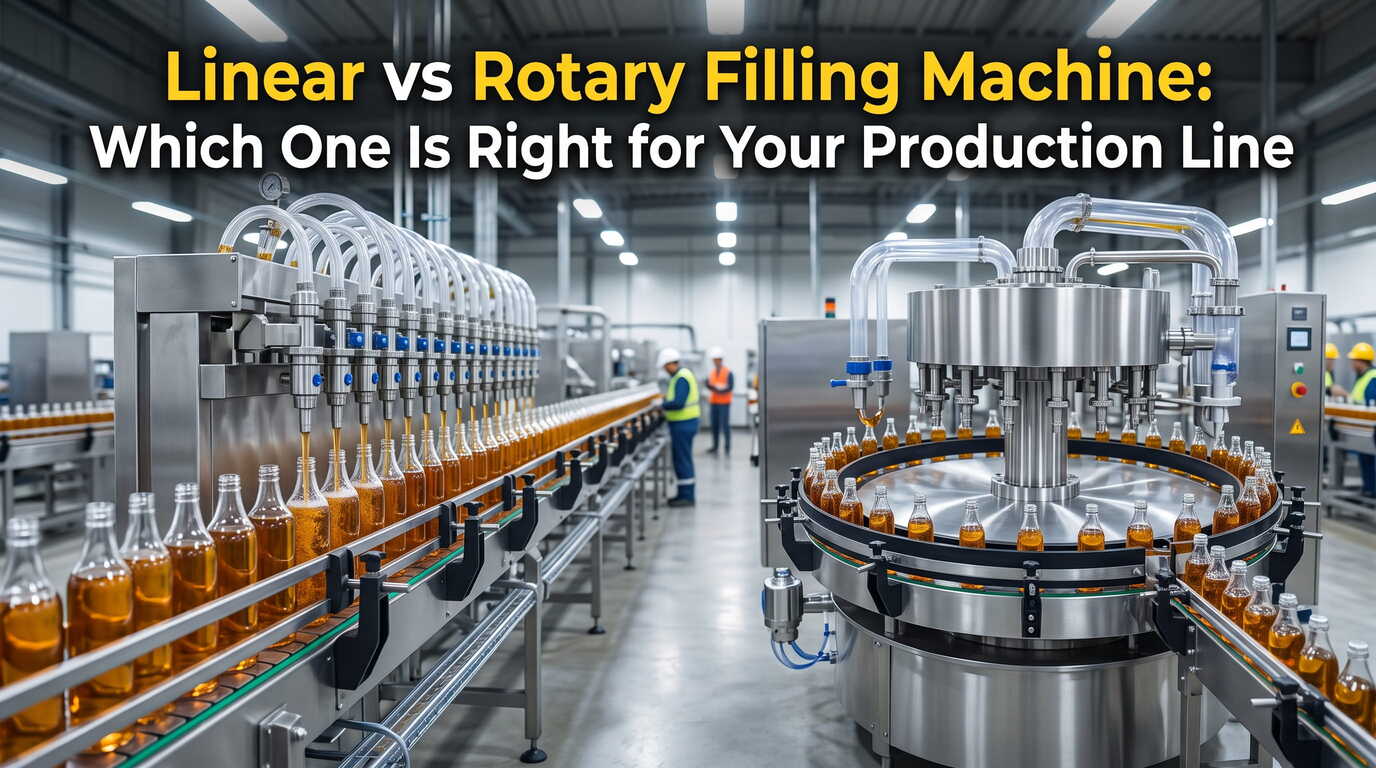
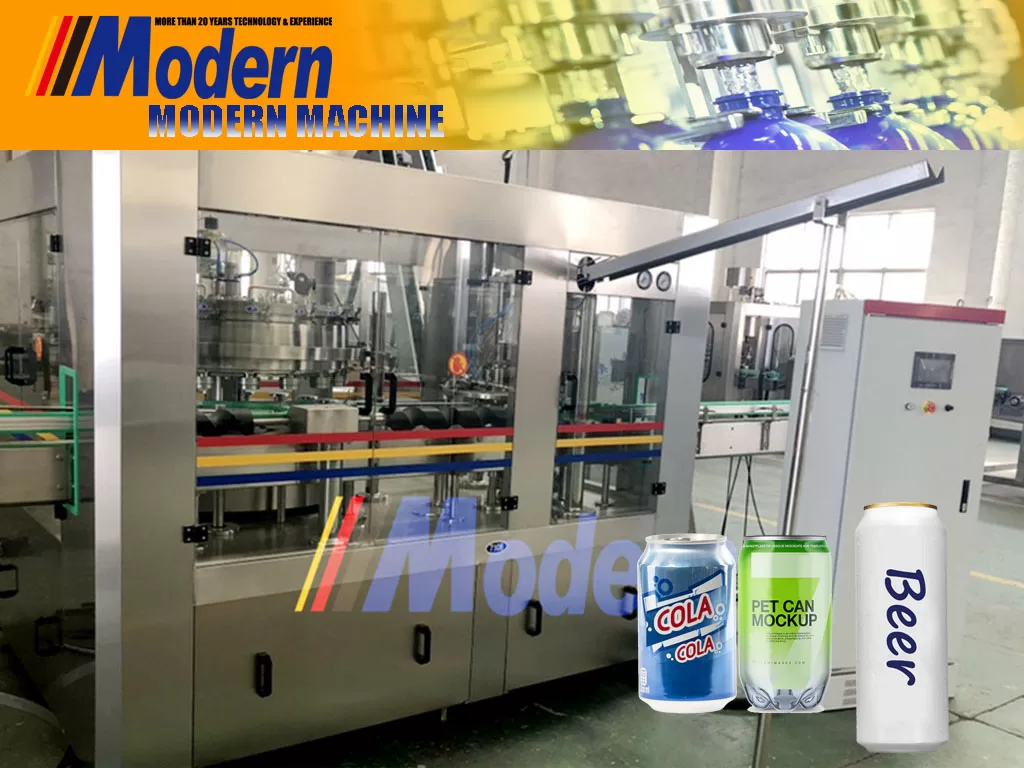
Les machines de remplissage de canettes sont des systèmes automatisés ou semi-automatisés conçus pour remplir des canettes avec des produits liquides. Ces machines sont essentielles pour garantir un débit élevé tout en maintenant la qualité du produit. Elles peuvent traiter une gamme variée de boissons, notamment des boissons gazeuses, des bières, des jus, et même des produits non liquides comme des sauces et des huiles.
Le fonctionnement fondamental d'une machine de remplissage de canettes comprend plusieurs étapes clés : l'orientation de la canette, le remplissage et le scellage. Dans les systèmes avancés, des fonctionnalités supplémentaires telles que le nettoyage, l'étiquetage et des mécanismes de contrôle qualité peuvent également être intégrées pour rationaliser l'ensemble du processus de conditionnement.
Types de machines de remplissage de boîtes
Il existe plusieurs types de machines de remplissage de canettes adaptées à des produits et des exigences de production spécifiques. Comprendre ces types peut aider les fabricants à sélectionner la machine la plus appropriée à leurs besoins.
1. Machines de remplissage par gravité
Les machines de remplissage par gravité utilisent la force de gravité pour remplir les canettes de liquide. Ces machines sont idéales pour les liquides plus fluides, tels que l'eau, les jus et les sirops légers. Elles fonctionnent généralement à des vitesses plus faibles, mais sont très efficaces pour les produits nécessitant une manipulation délicate, minimisant ainsi l'introduction de bulles d'air.
2. Machines de remplissage sous pression
Les machines de remplissage sous pression sont conçues pour les boissons gazeuses. Elles fonctionnent en remplissant les canettes de liquide sous pression, ce qui permet au liquide de s'écouler même lorsque la canette est sous l'influence de la carbonatation. Cette méthode garantit un niveau de remplissage constant et aide à maintenir la stabilité du produit pendant la manipulation et le transport.
3. Machines de remplissage sous vide
Les machines de remplissage sous vide sont utilisées pour les produits sensibles à l'oxydation ou nécessitant un environnement contrôlé. En créant un vide à l'intérieur de la canette, ces machines garantissent qu'aucun air n'est piégé à l'intérieur, prolongeant ainsi la durée de conservation du produit. Elles sont fréquemment utilisées pour le remplissage d'huiles et de sauces.
4. Machines de remplissage à vis sans fin
Les machines de remplissage à vis sans fin (auger) sont les mieux adaptées au remplissage de produits en poudre ou granulés. Elles utilisent un mécanisme à vis pour transférer le produit dans la canette avec précision. Ces machines sont courantes dans le conditionnement de boissons en poudre, de protéines en poudre et d'autres substances solides.
Avantages des machines de remplissage de canettes
L'intégration de machines de remplissage de canettes dans les lignes de production offre de nombreux avantages, allant des gains d'efficacité à une meilleure conservation des produits. Voici quelques avantages essentiels :
1. Vitesse de production accrue
L'un des principaux avantages des machines de remplissage de canettes est leur capacité à augmenter considérablement la vitesse de production. Les systèmes automatisés peuvent remplir des milliers de canettes par heure, permettant aux fabricants de répondre à une forte demande sans compromettre la qualité. Ce rendement rapide est crucial sur le marché actuel, où les consommateurs attendent une disponibilité immédiate des produits.
2. Qualité constante du produit
Les machines de remplissage de canettes garantissent des niveaux de remplissage uniformes et une qualité de produit constante, ce qui est essentiel pour l'intégrité de la marque. Les processus de remplissage automatisés minimisent les erreurs humaines et les variations pouvant survenir avec les méthodes de remplissage manuelles, améliorant ainsi le contrôle qualité global.
3. Rentabilité
Bien que l'investissement initial dans une machine de remplissage de canettes puisse être important, les économies de coûts à long terme sont considérables. L'automatisation réduit les coûts de main-d'œuvre et augmente l'efficacité, ce qui entraîne une baisse des coûts de production par unité. De plus, moins de rappels de produits dus à des incohérences de remplissage peuvent faire économiser des sommes substantielles aux entreprises.
4. Flexibilité et personnalisation
De nombreuses machines de remplissage de canettes peuvent être personnalisées pour différentes tailles de canettes et types de produits. Cette flexibilité permet aux fabricants de s'adapter rapidement aux tendances du marché sans nécessiter de réoutillage important, aidant ainsi les entreprises à rester compétitives.
Facteurs à prendre en compte lors du choix d'une machine de remplissage de canettes
Investir dans une machine de remplissage de canettes est une décision importante qui nécessite une réflexion approfondie sur plusieurs facteurs. Voici les aspects clés à évaluer avant de procéder à un achat :
1. Volume de production
Déterminez vos besoins en volume de production. Calculez la quantité de produit que vous prévoyez de produire quotidiennement ou hebdomadairement pour vous assurer que la machine choisie peut répondre efficacement à ces demandes.
2. Type de produit
Tenez compte de la nature du produit à remplir. Différents types de machines de remplissage répondent à des caractéristiques de produit spécifiques. Par exemple, si vous remplissez des boissons gazeuses, une machine de remplissage sous pression est nécessaire.
3. Spécifications des canettes
Évaluez les types de canettes que vous utiliserez, y compris leurs tailles et leurs matériaux. Assurez-vous que la machine de remplissage est compatible avec les spécifications de canettes choisies pour éviter tout problème opérationnel.
4. Budget
Établissez votre budget, en tenant compte non seulement du prix d'achat de la machine, mais aussi des coûts d'installation, de maintenance et de réparation potentiels. Il peut être judicieux d'investir dans des machines offrant une meilleure longévité ou des fonctionnalités plus avancées, même si elles ont un coût initial plus élevé.
5. Support après-vente
Évaluez la réputation du fabricant en matière de service après-vente. Une équipe de service fiable peut réduire considérablement les temps d'arrêt et garantir que votre équipement fonctionne à une efficacité optimale tout au long de sa durée de vie.
Tendances futures de la technologie de remplissage de canettes
Alors que la demande pour des solutions automatisées augmente, l'industrie du remplissage de canettes observe plusieurs tendances qui façonneront probablement l'avenir de la production. Voici quelques développements anticipés :
1. Intégration de technologies intelligentes
L'intégration de technologies intelligentes, y compris l'Internet des objets (IoT), permettra aux machines de s'auto-surveiller et de rapporter des indicateurs de performance. Cette capacité peut faciliter la maintenance prédictive, permettant des interventions opportunes et minimisant les temps d'arrêt.
2. Pratiques durables
Alors que la durabilité devient un point central pour les consommateurs, les fabricants devraient mettre en œuvre des pratiques respectueuses de l'environnement dans leurs processus de remplissage. Cela peut impliquer une consommation d'énergie réduite, une diminution des déchets et l'utilisation de matériaux recyclables dans l'emballage.
3. Automatisation améliorée
Les futures machines de remplissage de canettes présenteront probablement des commandes automatisées améliorées, permettant des ajustements plus rapides, un débit accru et une réduction supplémentaire de la dépendance à la main-d'œuvre manuelle.
Conclusion
En résumé, les machines de remplissage de canettes sont indispensables dans la fabrication moderne, favorisant l'efficacité, la cohérence et les économies de coûts. Lors de l'achat d'une machine de remplissage de canettes, il est essentiel d'évaluer les besoins de production, les types de produits et l'adéquation de la machine aux applications spécifiques. À mesure que la technologie progresse, les entreprises peuvent s'attendre à des solutions innovantes qui améliorent encore les capacités de production et s'alignent sur des pratiques durables. En investissant dans la bonne machine de remplissage, les fabricants peuvent naviguer dans les complexités du marché contemporain tout en répondant aux attentes toujours changeantes des consommateurs.