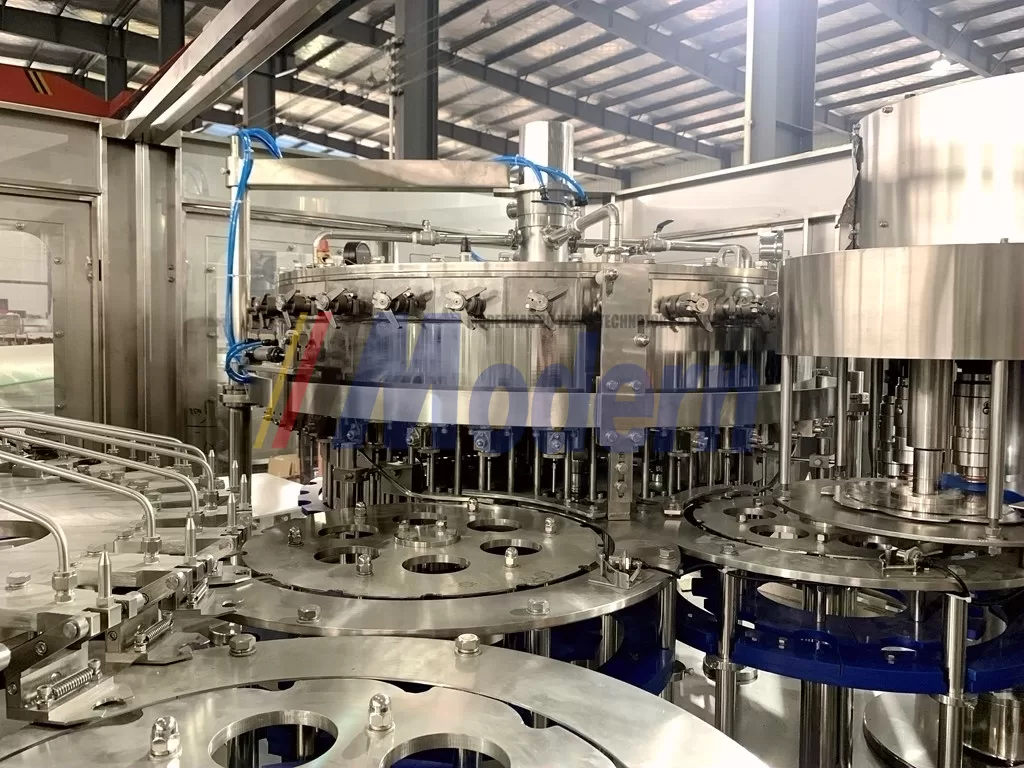
Le processus de remplissage à chaud est une méthode essentielle utilisée dans les industries des boissons, de l'alimentation et de l'emballage. Cette technique consiste à remplir les contenants avec des produits à des températures élevées afin d'assurer une durée de conservation prolongée, d'améliorer l'intégrité des saveurs et de maintenir la sécurité des produits. Alors que le commerce mondial continue de se développer, la compréhension des subtilités du processus de remplissage à chaud devient cruciale pour les professionnels cherchant à optimiser la production, la distribution et la portée commerciale. Cet article explorera le processus de remplissage à chaud sous plusieurs angles, en fournissant des conseils pratiques et des informations précieuses qui peuvent aider les entreprises à prospérer sur le marché international concurrentiel.
Comprendre les bases du remplissage à chaud
Le processus de remplissage à chaud implique généralement le chauffage de produits liquides à des températures allant de 85°C à 95°C (185°F à 203°F) avant de les verser dans des contenants pré-stérilisés. L'objectif principal de cette technique est d'éliminer les micro-organismes, de prolonger la durée de conservation du produit et de réduire le besoin en conservateurs. Les aliments et boissons souvent adaptés au remplissage à chaud comprennent les jus de fruits, les sauces, les soupes, les conserves et les produits laitiers.
L'importance du contrôle de la température
Le maintien de la température correcte pendant le processus de remplissage à chaud est primordial. Des températures insuffisantes peuvent ne pas éliminer les agents pathogènes nocifs, tandis que des températures excessivement élevées peuvent entraîner des changements indésirables dans les saveurs et la valeur nutritionnelle du produit. Un système de surveillance de la température peut aider à garantir que le produit est chauffé de manière adéquate avant d'être versé dans les contenants. De plus, s'assurer que les contenants restent stériles jusqu'au moment du remplissage aide à éviter toute contamination.
Avantages du processus de remplissage à chaud
La mise en œuvre du processus de remplissage à chaud présente de nombreux avantages, en particulier pour les entreprises ciblant les marchés internationaux. Voici quelques-uns des principaux avantages :
1. Durée de conservation prolongée
En utilisant des techniques de remplissage à chaud, les entreprises peuvent prolonger considérablement la durée de conservation de leurs produits. Les températures élevées utilisées pendant le processus de remplissage aident à détruire les organismes de détérioration, garantissant que les produits restent sûrs et consommables pendant de plus longues périodes. Ceci est particulièrement bénéfique dans le secteur du commerce mondial, où les produits peuvent être expédiés sur de longues distances.
2. Amélioration de la sécurité des produits
Le remplissage à chaud améliore la sécurité alimentaire en minimisant le risque de contamination. Le traitement thermique élimine efficacement la plupart des bactéries, virus et organismes de détérioration nocifs, ce qui est une considération cruciale pour les marchés d'exportation où les réglementations de sécurité peuvent varier. L'adoption du processus de remplissage à chaud assure aux consommateurs et aux organismes de réglementation que des précautions adéquates ont été prises dans la production de produits alimentaires et de boissons sûrs.
3. Préservation améliorée des saveurs
De nombreux consommateurs sont de plus en plus conscients de la qualité et de la saveur des produits qu'ils achètent. Le remplissage à chaud peut aider à maintenir l'intégrité des saveurs en utilisant des techniques de chauffage et de refroidissement rapides qui minimisent le temps que les produits passent à des températures élevées. Cela garantit que le produit a un goût frais et attrayant lors de la consommation, ce qui est un facteur de différenciation vital sur les marchés internationaux.
4. Besoin réduit en conservateurs
Grâce à un contrôle microbiologique efficace par le remplissage à chaud, la nécessité d'ajouter des conservateurs chimiques peut souvent être réduite ou éliminée. Cette tendance s'aligne sur les préférences modernes des consommateurs qui privilégient les produits « clean label » avec un minimum d'additifs. Les entreprises exportant vers des régions dotées de lois d'étiquetage strictes constateront que cette absence de conservateurs chimiques peut renforcer l'attrait du produit.
Défis du processus de remplissage à chaud
Bien que le processus de remplissage à chaud présente plusieurs avantages, il pose également divers défis qui nécessitent une gestion prudente et des stratégies d'atténuation.
1. Investissement en équipement
La mise en place d'une ligne de remplissage à chaud nécessite souvent un investissement important dans des équipements spécialisés. Les systèmes équipés de réchauffeurs, de machines de remplissage et de stérilisateurs peuvent être coûteux, surtout pour les petites entreprises. Les parties prenantes devraient effectuer une analyse approfondie du retour sur investissement pour déterminer si les avantages l'emportent sur les coûts initiaux.
2. Mesures de contrôle qualité
La mise en œuvre de mesures de contrôle qualité rigoureuses est essentielle pour garantir que le processus de remplissage à chaud répond aux normes de l'industrie. Un traitement incohérent peut entraîner des rappels de produits, des retours négatifs des consommateurs et des pertes financières. Un entretien régulier de l'équipement de chauffage et une formation complète du personnel sur les meilleures pratiques sont impératifs pour un contrôle qualité efficace.
3. Compatibilité des récipients
Tous les contenants ne peuvent pas résister à la chaleur générée pendant le processus de remplissage à chaud. Les contenants en plastique, en verre et en métal présentent chacun des défis et des avantages uniques. Il est vital de sélectionner des matériaux d'emballage adaptés à la température et aux conditions environnementales du processus de remplissage, ainsi qu'aux méthodes de stockage et de distribution prévues.
Meilleures pratiques pour la mise en œuvre du remplissage à chaud
Pour maximiser l'efficacité du processus de remplissage à chaud, les entreprises devraient envisager des stratégies exploitables, notamment :
1. Conception de flux de travail rationalisée
Un flux de travail bien planifié qui minimise le temps entre le chauffage et le remplissage est crucial pour maintenir la qualité du produit. L'adoption d'un système de production en continu peut aider à garantir que les produits sont remplis rapidement après avoir atteint la température souhaitée, réduisant ainsi le risque de fluctuation de température et de contamination.
2. Formation régulière du personnel
Le capital humain d'une organisation est son atout le plus précieux. S'assurer que les membres du personnel sont bien formés aux procédures de remplissage à chaud, à l'utilisation de l'équipement et aux protocoles de contrôle qualité est vital pour la cohérence du produit et la sécurité de la main-d'œuvre. Des mises à jour régulières de la formation peuvent également aider les employés à rester informés des derniers développements et réglementations dans le domaine.
3. Tests et optimisation approfondis
La réalisation de tests pilotes pour déterminer les températures de remplissage optimales, les taux de refroidissement et les spécifications des contenants garantit la livraison d'un produit de la plus haute qualité. De plus, l'optimisation des techniques de remplissage grâce à l'automatisation et à une technologie avancée peut conduire à une efficacité accrue et à une réduction des déchets.
Tendances futures du remplissage à chaud
À mesure que le commerce mondial évolue, plusieurs tendances émergentes façonneront l'avenir du processus de remplissage à chaud :
1. Durabilité et pratiques respectueuses de l'environnement
Les entreprises se concentrent de plus en plus sur la durabilité et le respect de l'environnement. Ce changement a un impact sur les types de matériaux d'emballage utilisés, la consommation d'énergie pendant le processus de remplissage et les pratiques de gestion des déchets. L'adoption de pratiques durables améliore non seulement la responsabilité sociale des entreprises, mais peut également conduire à un avantage concurrentiel sur les marchés soucieux de l'environnement.
2. Avancées technologiques
La technologie progresse continuellement, avec des innovations dans les méthodes de chauffage, l'automatisation et les instruments de contrôle qualité. L'adoption d'une technologie de pointe peut améliorer l'efficacité, réduire les coûts de production et, en fin de compte, améliorer la qualité des produits. Les entreprises qui adoptent les avancées technologiques sont susceptibles de rester compétitives dans le paysage commercial mondial en évolution rapide.
3. Évolution des préférences des consommateurs
Avec une attention croissante portée à la santé et au bien-être, les consommateurs sont plus sélectifs quant à ce qu'ils mangent et boivent. Cette tendance se reflète dans la demande croissante de produits biologiques, sans OGM et « clean label ». Les entreprises qui adaptent leurs processus de remplissage à chaud pour se conformer à ces préférences capteront une clientèle plus large et augmenteront leur part de marché.
Conclusion
Le processus de remplissage à chaud est une pierre angulaire de la stratégie de production de l'industrie agroalimentaire, jouant un rôle central dans l'amélioration de la sécurité, de la durée de conservation et de la qualité des produits. Cependant, la mise en œuvre de pratiques de remplissage à chaud robustes nécessite une compréhension approfondie de la technique, des défis et des tendances du marché. En adoptant les meilleures pratiques, en investissant dans la formation du personnel et en adoptant la durabilité et les avancées technologiques, les entreprises peuvent se positionner efficacement dans l'environnement commercial international dynamique. À mesure que les entreprises naviguent dans ce processus, elles amélioreront non seulement leur offre de produits, mais obtiendront également un avantage concurrentiel sur le marché mondial.